Horrors in Sudan Highlight Deterioration of Western Diplomatic Corps
Decades of neglect have hollowed out expertise and experience.
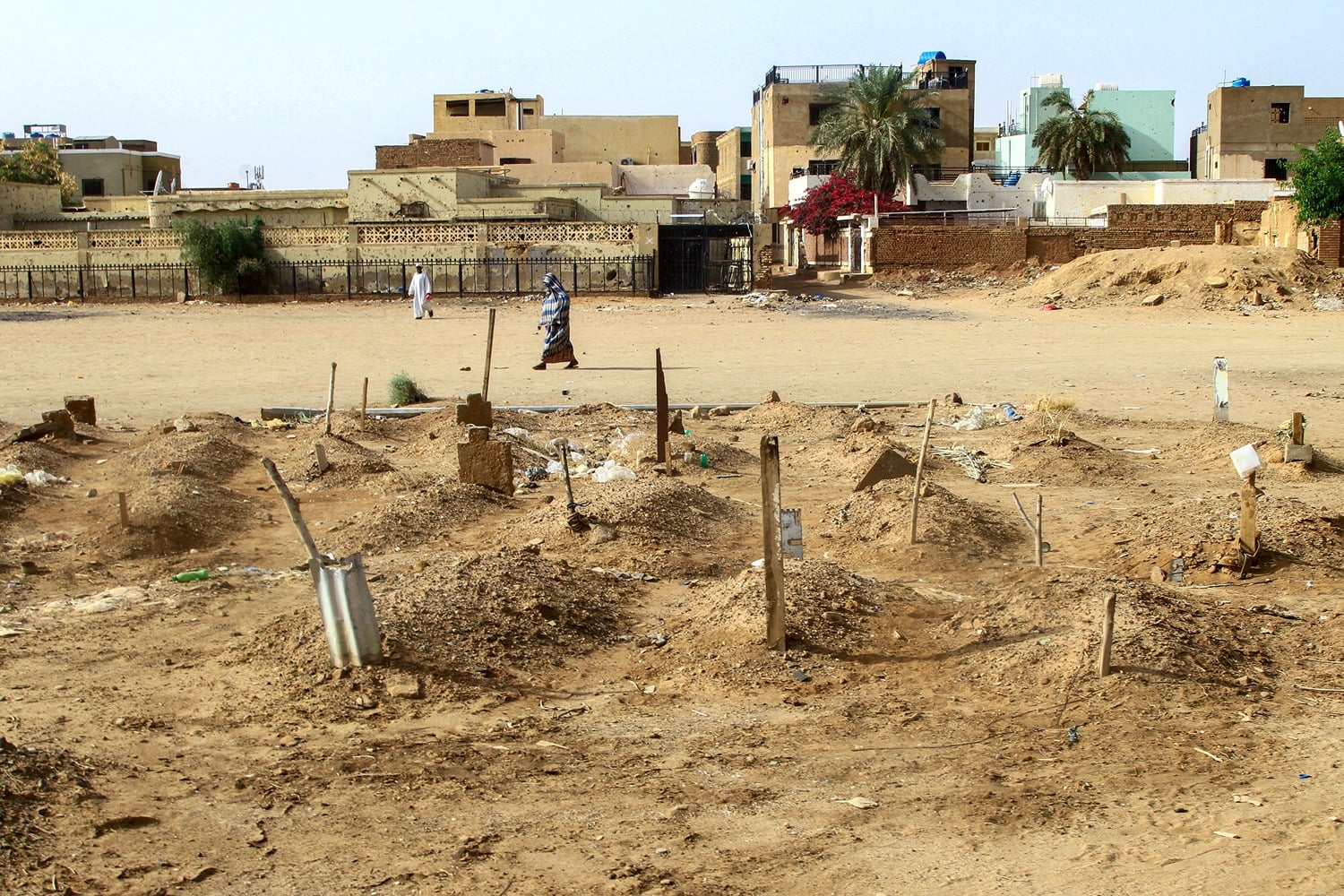
In recent years, the crisis in Sudan has become a stark reminder of the deterioration of the Western diplomatic corps. As the country spirals into chaos, the absence of experienced and knowledgeable diplomats has left a vacuum that has been difficult to fill. This situation has been a direct result of decades of neglect, which has eroded the expertise and experience that once defined the diplomatic community.
The roots of this decline can be traced back to the early 2000s, when many Western governments began to prioritize cost-cutting measures over maintaining robust diplomatic networks. This shift led to the reduction of staffing levels and the closure of embassies in regions that were once considered critical. As a result, the diplomatic corps has been left with a skewed demographic, where younger, less experienced diplomats are now filling roles that once required decades of service.
This lack of experience has been particularly evident in Sudan, where the diplomatic community has struggled to navigate the complex political landscape. The country has been plagued by civil conflict, economic collapse, and humanitarian crises, all of which have tested the limits of diplomatic engagement. Yet, the Western diplomats on the ground have often been ill-equipped to address these challenges, leading to a failure to prevent the escalation of violence and the worsening humanitarian situation.
The consequences of this neglect are far-reaching. In addition to the suffering of the Sudanese people, the broader implications for global security and stability are significant. Sudan's instability has spilled over into neighboring countries, destabilizing the entire region. Furthermore, the failure to manage the crisis has undermined the credibility of Western diplomacy on the world stage, as other nations have watched with concern as their interests have been overlooked.
The deterioration of the Western diplomatic corps is not limited to Sudan, however. Similar challenges are being faced in other conflict-ridden regions, such as Syria, Yemen, and the Democratic Republic of Congo. In each of these cases, the absence of experienced diplomats has left a vacuum that has been filled by non-state actors, including private military companies and NGOs, who often lack the authority and resources to effectively manage complex crises.
To address this issue, there is a urgent need for Western governments to reevaluate their approach to diplomacy. This requires a significant investment in both personnel and infrastructure, as well as a commitment to long-term engagement in regions that are critical to their interests. Additionally, there is a need for greater collaboration between diplomatic corps, as well as with other stakeholders, such as NGOs and academia, to build a more robust and resilient diplomatic network.
In conclusion, the crisis in Sudan serves as a stark warning about the consequences of neglecting the Western diplomatic corps. The loss of expertise and experience has left a vacuum that is difficult to fill, with severe implications for global security and stability. To prevent further deterioration, there is an urgent need for Western governments to reevaluate their priorities and invest in a more robust and resilient diplomatic network. Only then can the international community hope to effectively manage the complex challenges of our time.