Hormuz At Risk, Markets On Edge: India Builds Energy Buffers As Trump Hints At Longer Iran War
Even if the Iran conflict drags on, India is positioning itself to keep fuel flowing, prices stable, and essential systems running
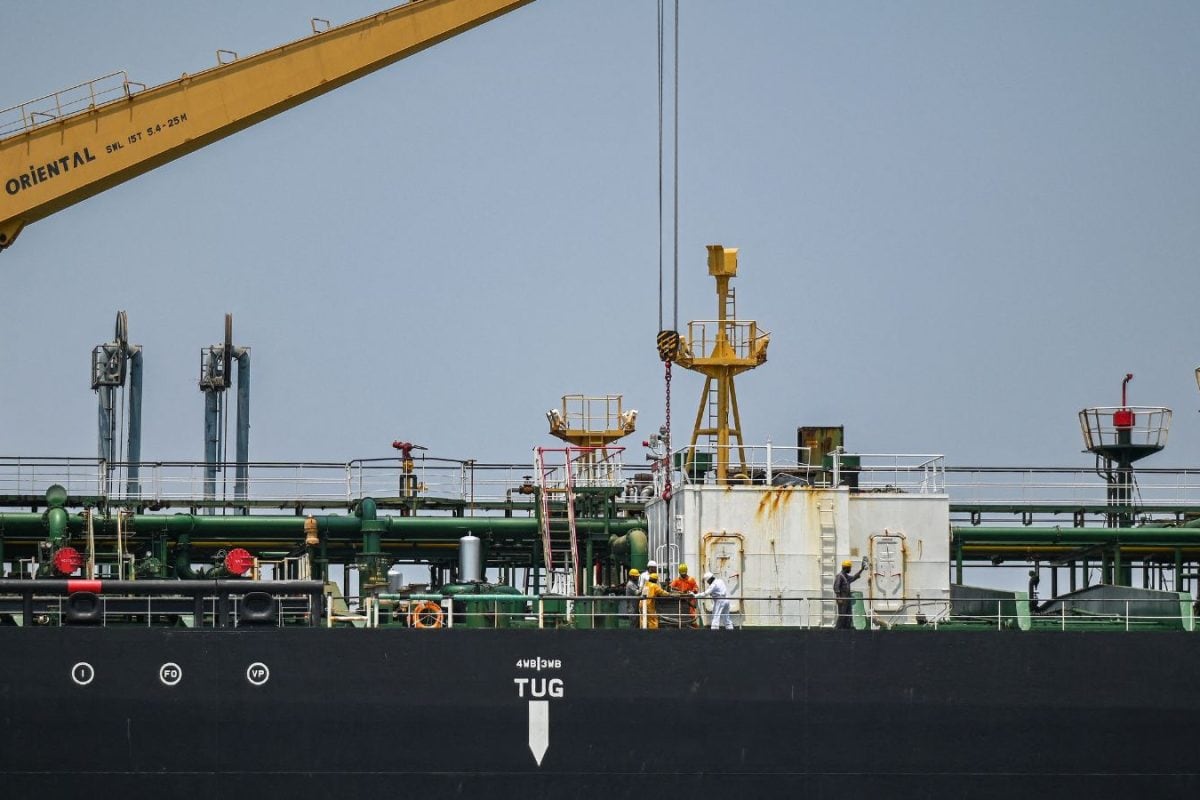
As tensions in the Gulf of Hormuz continue to escalate, India is taking decisive steps to safeguard its energy security amidst the looming threat of a prolonged conflict between the United States and Iran. With the strategic Hormuz Strait at the heart of global oil supply routes, the region's stability is crucial for maintaining global fuel prices and ensuring the smooth operation of essential systems worldwide. In the face of this uncertainty, India is bolstering its energy reserves and diversifying its sources to mitigate potential disruptions.
The Hormuz Strait, a narrow waterway between the Persian Gulf and the Gulf of Oman, is a chokepoint for about 30% of global oil production. Controlled by Iran, the strait has been a flashpoint for geopolitical tensions for decades. In recent years, the relationship between Iran and the United States has deteriorated significantly, with both nations engaging in a series of provocative actions and sanctions. This has raised concerns among global markets about the potential impact on oil prices and supply chains.
India, a major oil importer, has long been vulnerable to disruptions in the Hormuz Strait. Historically, the country has relied heavily on Middle Eastern oil, with Iran being one of its primary suppliers. However, as the prospect of a prolonged conflict looms, India is taking proactive measures to secure its energy future.
One of the key strategies India is employing is to build energy buffers. By stockpiling crude oil and refined products, the country aims to create a cushion that can withstand short-term disruptions in supply. The Indian Oil Corporation (IOC), the country's largest public-sector oil company, has been actively increasing its strategic reserves. In addition to IOC, private companies such as Reliance Industries and Essar Oil are also contributing to this effort by expanding their storage capacities.
Increasing strategic reserves is not the only measure India is taking. The government has also been working on diversifying its energy sources to reduce its dependence on oil imports. This includes expanding its renewable energy capacity, particularly solar and wind power, as well as investing in alternative fuels like natural gas and biofuels.
Moreover, India is exploring new sources of oil imports to reduce its reliance on the Middle East. The country has been actively engaging with oil-producing nations in Africa, Latin America, and the Arctic region. For instance, India has been increasing its oil imports from Nigeria, Angola, and Venezuela, while also exploring possibilities in countries like Russia and Norway.
In addition to these measures, India is also enhancing its logistical infrastructure to facilitate alternative supply routes. The country is investing in its ports and shipping capabilities to ensure that oil can be transported through alternative pathways, such as the Suez Canal or around the Cape of Good Hope, in the event of disruptions in the Hormuz Strait.
The Trump administration's recent comments about the possibility of a longer-lasting conflict in the Gulf have further underscored the need for India to bolster its energy security. While the U.S. has not explicitly stated its intentions regarding a prolonged war with Iran, President Trump's rhetoric has increased the likelihood of such a scenario. This has prompted India to accelerate its efforts to secure alternative energy sources and build resilience into its energy supply chain.
India's proactive approach to energy security is not without challenges. The country faces significant hurdles in terms of infrastructure, financing, and technology. However, the government is committed to overcoming these obstacles to ensure the stability of its energy sector.
The Indian government has also been working closely with international partners to address the broader implications of the Iran conflict. India has called for diplomatic solutions and has emphasized the need for dialogue and cooperation among all stakeholders. The country has also been advocating for a multilateral approach to address the global impact of the conflict, particularly on oil prices and global trade.
In conclusion, as the Hormuz Strait remains a focal point of geopolitical tensions, India is taking a proactive stance to safeguard its energy security. By building energy buffers, diversifying its energy sources, and exploring alternative supply routes, the country is positioning itself to withstand potential disruptions in the oil market. While the challenges are significant, India's commitment to energy resilience is a testament to its determination to ensure the stability of its essential systems and maintain price stability for its citizens. As the conflict in the Gulf continues to unfold, India's actions serve as a model for other nations facing similar challenges in their energy sectors.