
Homeless and stateless: Deportees from U.S. are trapped in Mexico
Deported not to their homelands but to unfamiliar cities deep inside Mexico, thousands of migrants are stranded in a dangerous, bureaucratic limbo with little support and no clear path forward.
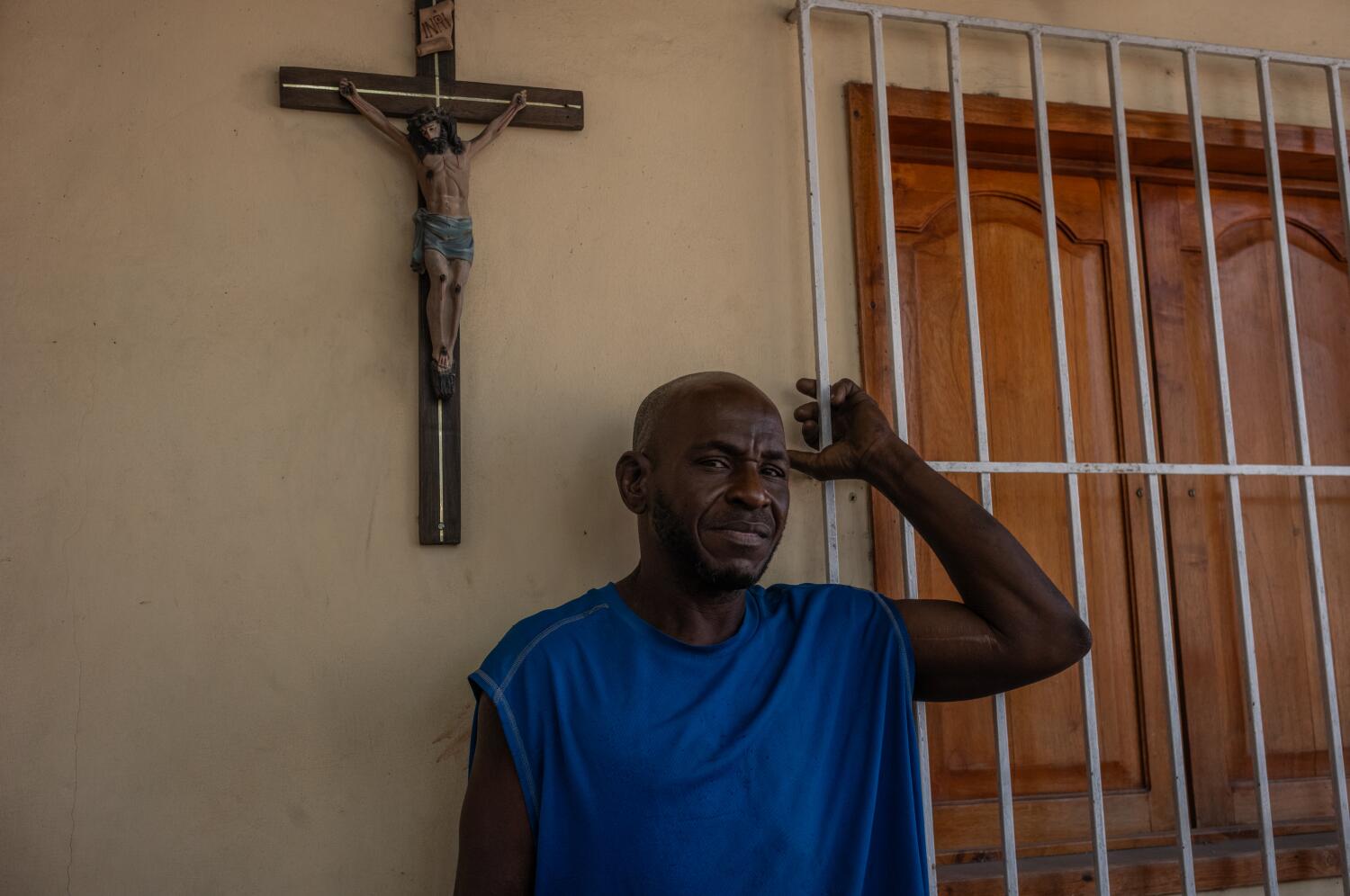
In recent years, the plight of deportees from the United States has become a growing humanitarian crisis, as thousands of individuals are left stranded in unfamiliar cities across Mexico. These individuals, often from Central America, are deported not to their homelands but to remote and dangerous locations within Mexico, where they face a bureaucratic labyrinth and limited support. This situation has created a perilous limbo for these migrants, who are trapped without clear pathways to safety or legal status.
The phenomenon of deportees being sent deep into Mexico is a direct result of U.S. immigration policies and the complexities of international law. Under the U.S. government's "within 30 miles" policy, individuals who are deported are often sent back to the nearest point of entry, which for many is a city in Mexico rather than their home country. This policy, which has been in place since the 1990s, was initially designed to prevent re-entry into the U.S. but has inadvertently created a new wave of displaced persons.
The consequences of this policy are severe. Migrants who are deported to unfamiliar cities in Mexico often lack the resources to navigate the complex bureaucratic systems in place. Many of these cities are not equipped to handle the influx of deportees, leading to overcrowded shelters, inadequate healthcare, and limited access to legal assistance. Furthermore, the cities to which they are sent are often far from their home countries, making it difficult for them to return or find a way to re-enter the U.S. legally.
One of the most significant challenges faced by these deportees is the bureaucratic hurdles they encounter. In order to return to their home countries, deportees must often obtain new travel documents, which can be a time-consuming and expensive process. Additionally, many of these individuals may not have the necessary documentation to prove their citizenship or residency, further complicating their situation.
The lack of support from both the U.S. and Mexican governments exacerbates the crisis. While the U.S. government has been criticized for its deportation policies, Mexican authorities have struggled to provide adequate assistance to the deportees. Many cities in Mexico are overwhelmed by the number of deportees and lack the resources to offer them shelter, food, or medical care. This has led to a situation where deportees are forced to survive on the streets, often turning to informal work or even engaging in criminal activities to survive.
The dangers faced by deportees in Mexico are significant. Many of the cities to which they are sent are plagued by violence, with high rates of crime and limited law enforcement presence. This makes it difficult for deportees to find safety or protection, as they are often vulnerable to exploitation and abuse. Furthermore, the lack of access to healthcare means that deportees may not receive the medical care they need, particularly if they have pre-existing health conditions or injuries.
The situation of deportees in Mexico is not only a humanitarian crisis but also a challenge to international law and diplomacy. The U.S. government has been accused of violating the rights of these individuals, as they are being deported to a country other than their home country without proper consideration of their circumstances. Critics argue that this policy is inhumane and fails to address the root causes of migration.
Mexico, on the other hand, has been criticized for its inability to provide adequate support to deportees. While the Mexican government has taken steps to address the issue, such as establishing shelters and providing legal assistance, these efforts have been insufficient to meet the needs of the thousands of deportees. The lack of coordination between the two governments has further complicated the situation, leaving deportees without the support they need.
The plight of deportees in Mexico is a complex issue that requires a multifaceted approach to resolve. It is essential for both the U.S. and Mexican governments to work together to address the root causes of migration and to provide adequate support to those who have been deported. This may involve revising deportation policies, increasing funding for shelters and legal assistance, and improving international cooperation to ensure that deportees are treated with dignity and respect.
In conclusion, the situation of deportees from the U.S. trapped in unfamiliar cities across Mexico is a stark reminder of the humanitarian challenges posed by immigration policies. These individuals are left in a dangerous and bureaucratic limbo, with little support and no clear path forward. It is crucial for governments and international organizations to take action to address this crisis and to ensure that the rights of these individuals are protected. Only through collaboration and a commitment to human rights can we hope to alleviate the suffering of those caught in this complex web of displacement.









