Hollywood’s video game genre is getting a box office redemption arc
Over the weekend, Mario, Luigi, Bowser, and the rest of Nintendo’s iconic crew traipsed around the solar system and smashed their way to the top of the box office in The Super Mario Galaxy Movie . It’s the latest sign that Hollywood and moviegoers have changed their tune on video game adaptations. The Super Mario Galaxy Movie (a sequel to 2023’s The Super Mario Bros. Movie ) opened on April 8, just in time for the lead-up to Easter weekend. According to studio estimates cited by CNBC , the Illumination and Nintendo co-production earned $130.9 million over the weekend and $190.1 million in its first five days in North American theaters. Tack on an estimated $182.4 million from overseas markets, and the film grossed around $372.5 million worldwide. It was a head-turning initial run that qualifies as the biggest box office debut since Avatar: Fire and Ash opened in 2025, and the second-biggest for a movie based on a video game, trailing only The Super Mario Bros. Movie . More broadly, it’s another example in a recent series of financially lucrative video game movies—and it shows that the subgenre might be officially getting a box office redemption arc. An uphill battle for video game adaptations Less than a decade ago, video-game-to-movie adaptations were considered a gamble at best and a surefire road to fan disappointment at worst. Around the late 2010s, plenty of studios had tried their hands at a video game movie, but no one had seemed to quite
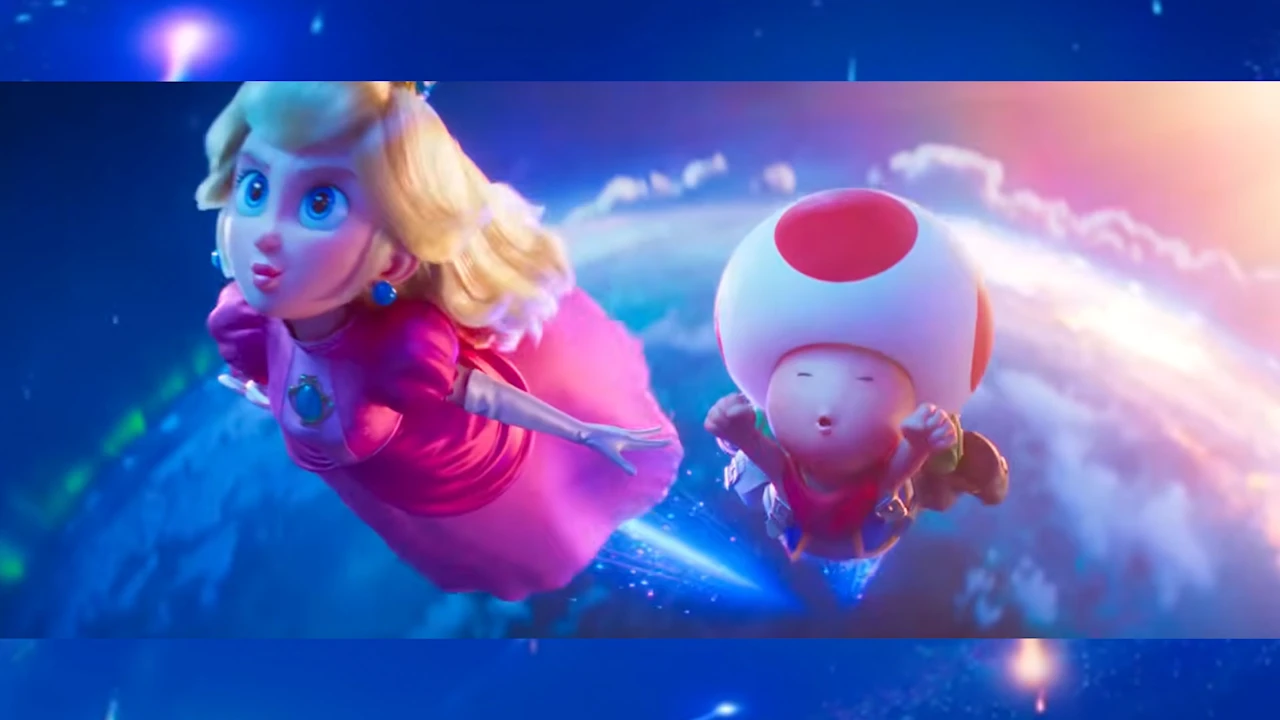
Over the weekend, Mario, Luigi, Bowser, and the rest of Nintendo’s iconic crew traversed the solar system and smashed their way to the top of the box office in The Super Mario Galaxy Movie. This sequel to 2023’s The Super Mario Bros. Movie opened on April 8, just in time for the lead-up to Easter weekend. According to studio estimates cited by CNBC, the Illumination and Nintendo co-production earned $130.9 million over the weekend and $190.1 million in its first five days in North American theaters. Adding an estimated $182.4 million from overseas markets, the film grossed around $372.5 million worldwide.
This head-turning initial run qualifies as the biggest box office debut since Avatar: Fire and Ash opened in 2025 and the second-biggest for a movie based on a video game, trailing only The Super Mario Bros. Movie. More broadly, it’s another example in a recent series of financially lucrative video game movies, indicating that the subgenre might be officially getting a box office redemption arc.
Less than a decade ago, video-game-to-movie adaptations were considered a gamble at best and a surefire road to fan disappointment at worst. Around the late 2010s, studios had attempted to adapt video games into movies, but none had quite turned the genre into a winning formula, despite its obvious potential for mining recognizable intellectual property (IP). Several memorable box office flops had soured audiences on the concept, including the catastrophic 1993 live-action Super Mario Bros., the total bomb that was 2005’s Alone in the Dark, and 2016’s lackluster Assassin’s Creed.
Other attempts, like 2016’s Warcraft, saw middling success in North American markets but stronger showings overseas. Box office hits like 2001’s Lara Croft: Tomb Raider and 2013’s The Angry Birds Movie provided glimpses of potential but were not enough to shift the genre’s reputation.
However, the past few years have seen a shift in both Hollywood’s approach to video game adaptations and audiences’ willingness to embrace them. The success of The Super Mario Bros. Movie in 2023 set a new standard for the genre, demonstrating that with the right creative vision, these adaptations can be both entertaining and financially viable.
The Super Mario Galaxy Movie’s success builds on this momentum, showcasing that video game adaptations can now compete with other blockbuster franchises. This trend is further supported by other recent releases, such as the critically acclaimed Sonic the Hedgehog films and the commercial success of Uncharted.
Critics and industry insiders attribute this turnaround to a combination of factors. First, studios have begun to prioritize creative control and collaboration with the original IP owners, ensuring that adaptations stay true to the source material. This approach has helped build trust with fans and avoid the pitfalls of past adaptations.
Second, the rise of animation in video game adaptations has provided a visual language that aligns well with the genre’s artistic style. Animated films like The Super Mario Bros. Movie and The Super Mario Galaxy Movie have successfully captured the vibrant and playful essence of the games, making them appealing to both children and adults.
Third, the increasing sophistication of video game narratives has made them more adaptable to film. Modern video games often have complex storylines and character development, which can translate well to the screen when handled with care.
Finally, the growing influence of fandom communities has pushed studios to make adaptations that resonate with fans. Social media and online platforms have allowed fans to voice their opinions and demand more faithful adaptations, leading to a greater emphasis on authenticity in these projects.
In conclusion, The Super Mario Galaxy Movie’s box office success is not just a triumph for Nintendo and Illumination but a sign that Hollywood and audiences are finally embracing video game adaptations. This redemption arc is a testament to the potential of the genre when approached with creativity, collaboration, and a genuine passion for the source material. As more studios invest in video game adaptations, it remains to be seen whether this trend will continue to grow or if it’s just a fleeting moment in the industry’s history. Regardless, The Super Mario Galaxy Movie’s debut serves as a powerful reminder that the future of video game movies looks brighter than ever before.