Hollywood Writers Union and Studios Reach Contract Deal
With the global entertainment business reeling during a period of rapid change, there was little enthusiasm on either side for a costly standoff.
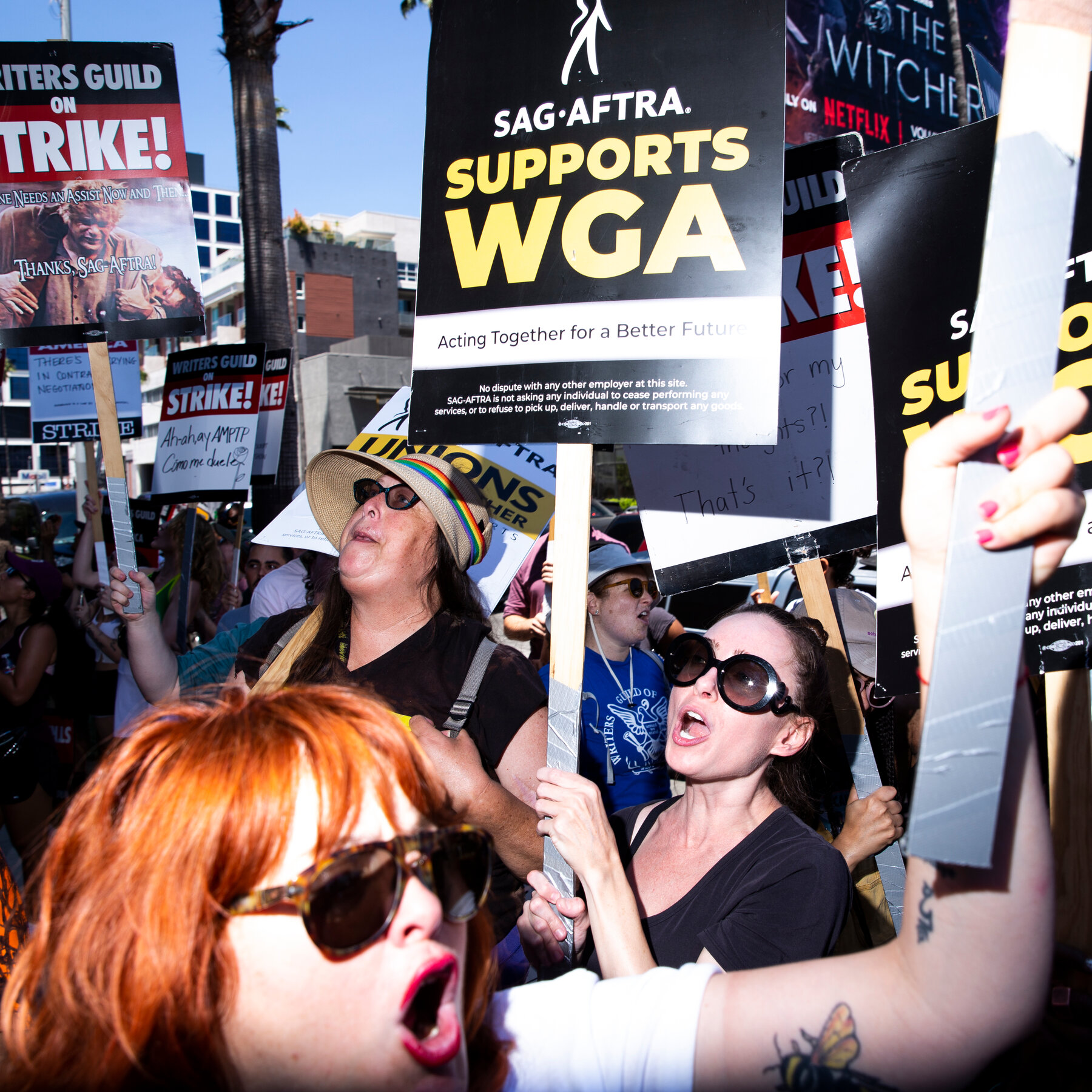
In a significant development for the global entertainment industry, the Writers Guild of America (WGA) and major Hollywood studios have reached a contract agreement, ending months of negotiations and potential conflict. The deal, which was announced in a joint statement, reflects a pragmatic approach to the challenges facing the industry amid rapid changes in consumer behavior, streaming platforms, and economic uncertainties.
The negotiations were marked by a sense of urgency and mutual recognition of the need to avoid a costly standoff. Both parties acknowledged the importance of maintaining stability and fostering a collaborative environment for the creative process. The agreement, while not publicly disclosed in full, is believed to address key issues such as compensation, residuals, and the evolving landscape of content creation, including the growing role of streaming services.
The recent history of WGA-studio relations has been fraught with tension, particularly during the 2023 strike when members walked off the job for several weeks. The contract talks that followed were notably protracted and acrimonious, with both sides expressing frustration over the stalemate. The strike highlighted the challenges faced by writers in adapting to the changing dynamics of the industry, including the rise of digital platforms and the pressure to produce content at a faster pace.
The current contract agreement represents a strategic move by both the WGA and studios to ensure a smooth transition through the industry's transformation. The deal is expected to provide writers with better protections and fairer compensation, while studios gain the assurance of a stable workforce and uninterrupted production. This mutual understanding is crucial as the industry navigates the complexities of balancing traditional filmmaking with the demands of the digital age.
The agreement also underscores the importance of collective bargaining in the entertainment sector. The WGA, representing over 12,000 writers, has historically played a pivotal role in shaping the industry's creative landscape. By securing a fair contract, the union aims to empower its members to focus on their craft without the distraction of unresolved labor disputes.
For the studios, the contract provides a much-needed sense of predictability amid economic uncertainties. The global entertainment business has been hit hard by fluctuations in consumer spending, the rise of streaming services, and the ongoing impact of the COVID-19 pandemic. A stable relationship with the WGA is seen as essential for maintaining production schedules and ensuring a steady flow of high-quality content.
The agreement is also a testament to the adaptability of both parties. The WGA has shown a willingness to engage in constructive dialogue, while studios have demonstrated a commitment to addressing writers' concerns. This pragmatic approach is likely to set a precedent for future negotiations, fostering a more collaborative environment in an industry that is constantly evolving.
In conclusion, the contract deal between the Writers Guild of America and Hollywood studios marks a turning point in their relationship. It reflects a shared understanding of the challenges facing the entertainment industry and a commitment to navigating them together. As the industry continues to adapt to new technologies and consumer behaviors, this agreement serves as a foundation for sustainable growth and creative collaboration. Both parties can now focus on producing innovative content while ensuring fair treatment for writers, who are the heart of the entertainment experience.