Hollywood Writers Union and Studios Reach Contract Deal
With the global entertainment business reeling during a period of rapid change, there was little enthusiasm on either side for a costly standoff.
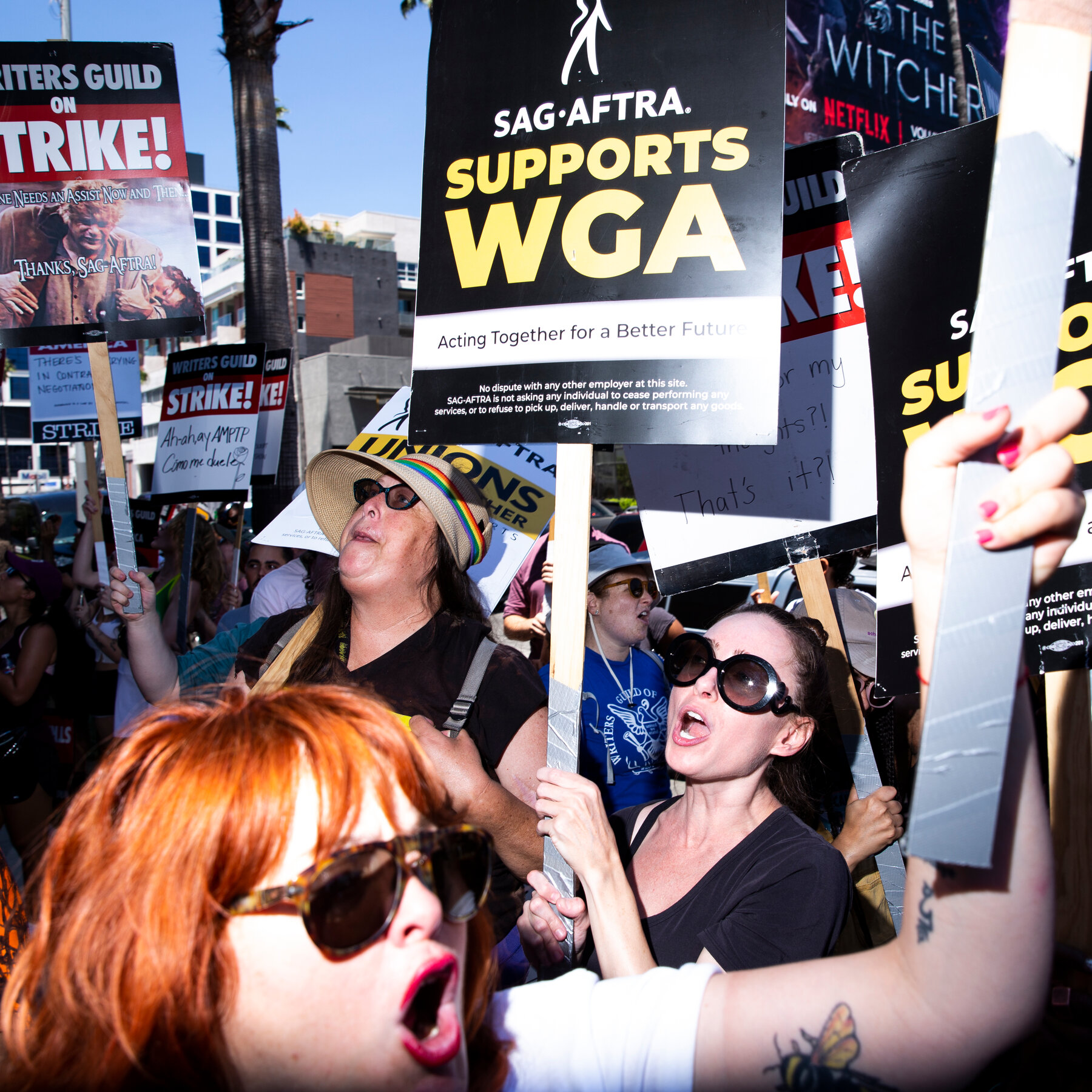
In a significant development for the global entertainment industry, the Writers Guild of America (WGA) and major Hollywood studios have reached a contract agreement, ending months of negotiations. The deal, which was finalized after intense discussions, reflects a pragmatic approach by both parties to navigate the challenges posed by the rapidly evolving entertainment landscape.
The backdrop for these negotiations is the ongoing transformation of the entertainment business, marked by the rise of streaming platforms, digital content, and changing consumer preferences. This shift has led to increased competition and a reevaluation of traditional studio structures. In this context, the WGA and studios faced the daunting task of balancing the need for innovation with the preservation of creative rights and economic stability for writers.
The previous contract talks in 2023 were notably protracted and contentious. The Writers Guild of America had initiated a strike, highlighting longstanding tensions over issues such as residual payments, streaming revenues, and the value of creative work in the digital age. The strike underscored the challenges faced by writers in adapting to the new media landscape, where traditional models of compensation and recognition were being disrupted.
The recent contract agreement represents a compromise that acknowledges the evolving nature of the industry. It includes provisions for enhanced residual payments, which are critical for writers' long-term financial security. Additionally, the deal addresses the distribution of streaming revenues, ensuring that writers receive a fair share of the profits generated by their work on digital platforms.
One of the key challenges during the negotiations was the studios' push for flexibility in contracts, driven by the need to adapt to the rapidly changing market. The WGA, on the other hand, sought to safeguard the rights of its members, particularly in the face of the growing influence of streaming services. The final agreement reflects a delicate balance between these competing interests, with both parties recognizing the necessity of collaboration to navigate the industry's transformation.
The contract also includes clauses aimed at promoting innovation and creativity. By investing in writers' development and ensuring fair compensation, the agreement seeks to foster an environment where new ideas can thrive. This is particularly important in a sector where creativity is the cornerstone of success.
The resolution of the contract dispute is a testament to the importance of dialogue and mutual understanding in addressing complex challenges. It highlights the potential for progress when both sides are willing to adapt and compromise. The agreement not only secures the future of writers in Hollywood but also sets a precedent for how the industry can navigate the uncertainties of the digital age.
In the broader context of the entertainment industry, this contract represents a turning point. It signals a shift towards more equitable and sustainable practices, ensuring that the creative forces behind the content remain valued and supported. As the industry continues to evolve, the ability of the WGA and studios to work together will be crucial in shaping a future that benefits both writers and audiences alike.
The successful conclusion of these negotiations also sends a positive message to other labor unions and industries grappling with similar challenges. It demonstrates that, despite the difficulties posed by rapid change, it is possible to achieve resolutions that are mutually beneficial and sustainable in the long term.
In summary, the contract agreement between the Writers Guild of America and Hollywood studios marks a pivotal moment in the industry's history. It reflects a pragmatic approach to addressing the complexities of the modern entertainment landscape, ensuring that writers' rights are protected while fostering innovation and collaboration. This deal not only secures the future of Hollywood's creative talent but also sets a precedent for navigating the uncertainties of an ever-changing industry.