Hockey Rinks Turn to Plastic Ice as Planet Warms
Some environmentalists question using plastic to address rising temperatures.
Climate change has wreaked havoc with many sports, but few have been affected as much as those played on ice and snow. As global temperatures rise, traditional ice hockey rinks are struggling to maintain the frozen surfaces that are essential for the sport. In response, some facilities have turned to plastic ice as a viable alternative. This innovative solution, however, has sparked debates among environmentalists who question its environmental impact.
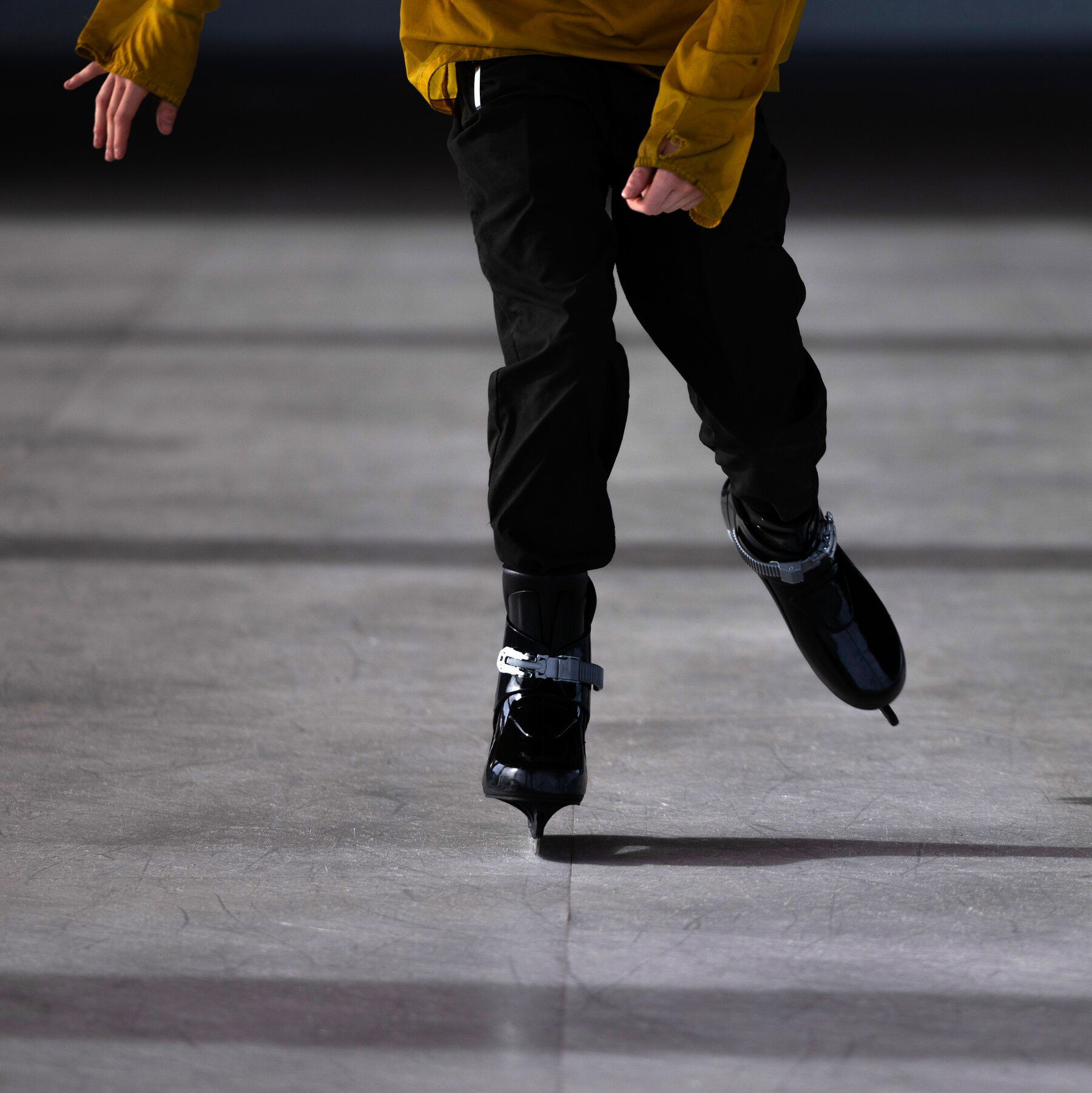
The shift to plastic ice is driven by the increasing frequency of unseasonable weather patterns. In recent years, many regions have experienced warmer winters and shorter ice seasons, making it difficult for traditional ice rinks to operate consistently. Plastic ice, also known as polyethylene moulded ice (PEMI), is a synthetic alternative that can be installed indoors or outdoors, providing a stable surface year-round. It is made from high-density polyethylene, which is molded into a smooth, slippery surface that closely mimics natural ice.
The adoption of plastic ice has been particularly notable in areas where ice sports are deeply ingrained in the culture. For instance, in Canada, where hockey is a national obsession, some communities have embraced this technology to ensure the sport can continue uninterrupted. The synthetic ice offers the same glide and feel as natural ice, allowing players to maintain their skills and enjoy the game without the constraints of weather-dependent ice.
However, the environmental implications of this solution are a matter of contention. While plastic ice eliminates the need for water-based ice, which requires constant refreezing and the associated energy consumption, the production and disposal of PEMI raise concerns. The manufacturing process involves high energy use and the production of greenhouse gases, albeit to a lesser extent than traditional ice. Moreover, the durability of PEMI means it can last for years, leading to potential waste issues when it needs to be replaced or disposed of.
Environmentalists argue that the environmental benefits of plastic ice are not as clear-cut as they initially appear. They point out that the production and transportation of PEMI contribute to carbon emissions, and the long lifespan of the material could lead to a buildup of non-biodegradable waste. Some experts suggest that alternative solutions, such as insulated ice systems or the use of alternative materials like ice-recycling technologies, might offer a more sustainable path forward.
Despite these concerns, proponents of plastic ice argue that it provides a practical solution to the challenges posed by climate change. They contend that the environmental impact of PEMI is minimal compared to the disruption that would occur if ice sports were forced to cease operations entirely. They also highlight that advancements in technology could lead to more sustainable production methods in the future.
The debate over plastic ice reflects a broader struggle to reconcile the demands of sport with the realities of climate change. As the world warms, the need for adaptable solutions becomes increasingly urgent. While plastic ice may not be the perfect answer, it serves as a reminder that innovation and careful consideration are essential in finding ways to preserve the sports and traditions that millions hold dear.
In conclusion, the transition to plastic ice represents a complex interplay of environmental, social, and economic factors. While it offers a way to sustain ice sports in the face of climate change, it also highlights the need for continued research and development of more sustainable alternatives. Ultimately, the challenge lies in finding a balance that protects the environment while ensuring that the joy of ice sports can continue to be experienced by future generations.