
High fuel costs due to Iran war forcing Philippine farmers to abandon harvests
Buyers are pulling out as a result of weak demand and surging costs.
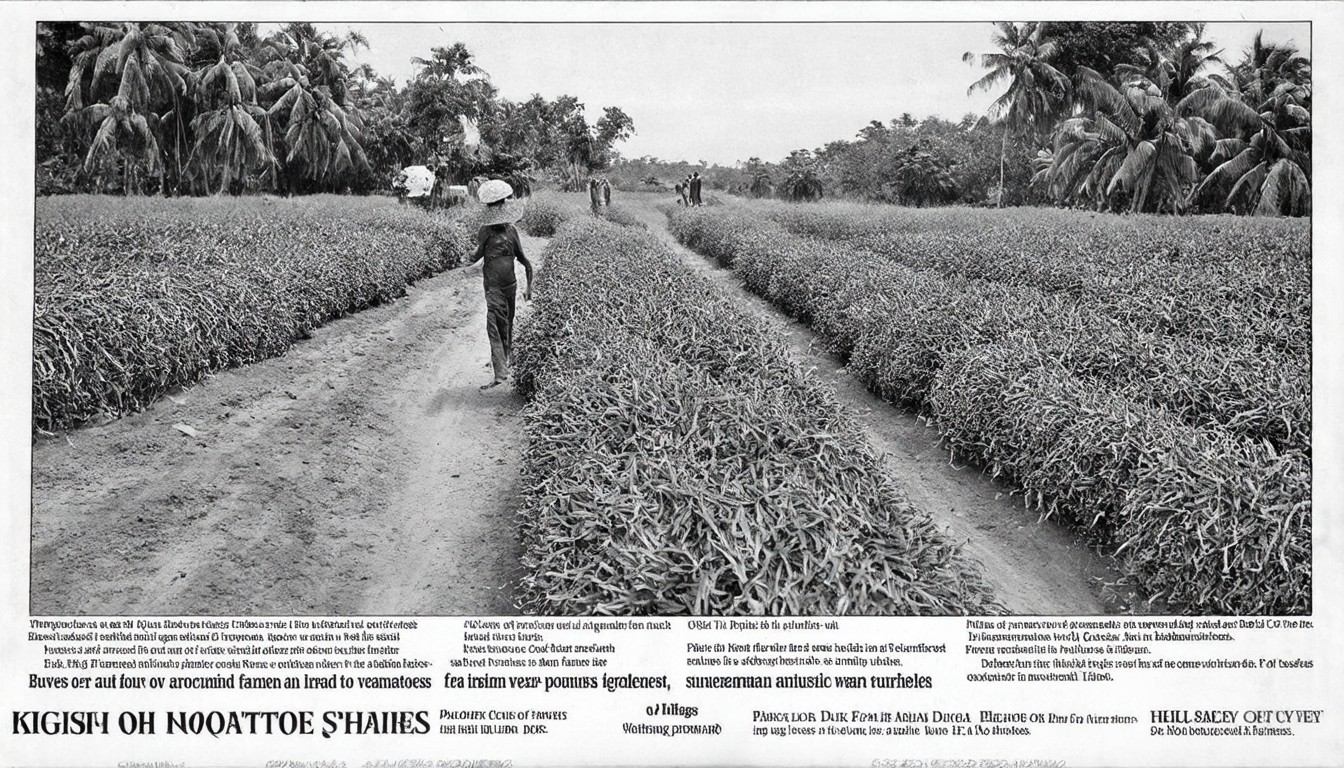
In recent weeks, the Philippines has faced a critical agricultural crisis as farmers are forced to abandon their harvests due to soaring fuel costs linked to the ongoing tensions in the Middle East, particularly the conflict involving Iran. The situation has left many farmers in a precarious position, struggling to make ends meet as buyers pull out of the market, citing weak demand and surging expenses.
The root of the problem lies in the global supply chain disruptions caused by the escalating tensions in the Middle East. The region, which is a major oil producer, has seen increased instability, leading to concerns about potential oil supply shortages. As a result, global fuel prices have surged, making it increasingly expensive for farmers in the Philippines to transport their produce to market.
Farmers in the Philippines rely heavily on diesel and gasoline for their operations, from powering tractors and irrigation systems to transporting goods to urban markets. The cost of fuel has skyrocketed, making it difficult for many to sustain their livelihoods. This has led to a significant drop in the number of farmers willing to invest in new crops, as they fear the costs will outweigh the potential returns.
The situation has also impacted the local market, as buyers are withdrawing from the agricultural sector. Retailers and market operators have reported a decline in demand for fresh produce, partly due to the higher prices that farmers are now charging to cover their increased fuel costs. This has created a vicious cycle, as farmers are left with unsold harvests, further exacerbating the crisis.
The government has acknowledged the problem and has begun to take steps to address it. The Department of Agriculture has called for increased support for farmers, including subsidies to help cover the cost of fuel. However, critics argue that such measures may not be sufficient to alleviate the immediate challenges faced by farmers.
In addition to the fuel costs, the crisis has also highlighted the vulnerability of the Philippine agricultural sector to global market fluctuations. The country's reliance on imported fuels, combined with its exposure to global supply chain disruptions, has left farmers particularly vulnerable to external shocks.
The situation is further complicated by the ongoing pandemic, which has already strained the agricultural sector. Many farmers have had to adapt to new market conditions, such as reduced demand for certain crops and increased competition in the supply chain. The added pressure from soaring fuel costs has made it even more challenging for them to navigate these challenges.
As the crisis unfolds, there is a growing call for long-term solutions to ensure the sustainability of the Philippine agricultural sector. This includes diversifying the country's energy sources to reduce its reliance on imported fuels and investing in renewable energy technologies. Additionally, there is a need for more robust risk management strategies to help farmers better prepare for future disruptions in the global market.
In the meantime, the immediate challenge remains to find ways to stabilize the market and prevent further abandonment of harvests. Farmers are urging the government to take swift action to address the issue, while buyers are calling for more transparency in pricing and supply chain management.
The crisis in the Philippines highlights the complex interplay between global geopolitics, energy markets, and agriculture. As tensions in the Middle East continue to escalate, the situation could worsen, further impacting the livelihoods of farmers and the stability of the global food supply chain. It serves as a reminder of the need for sustainable and resilient agricultural systems that can withstand the uncertainties of an ever-changing world.








