
H.H.S. Takes a First Step Toward Restoring Vaccine Advisory Committee
A federal judge last month questioned the legitimacy of the panel and overturned its recent work. A notice suggests that it may be revived on Robert F. Kennedy Jr.’s terms.
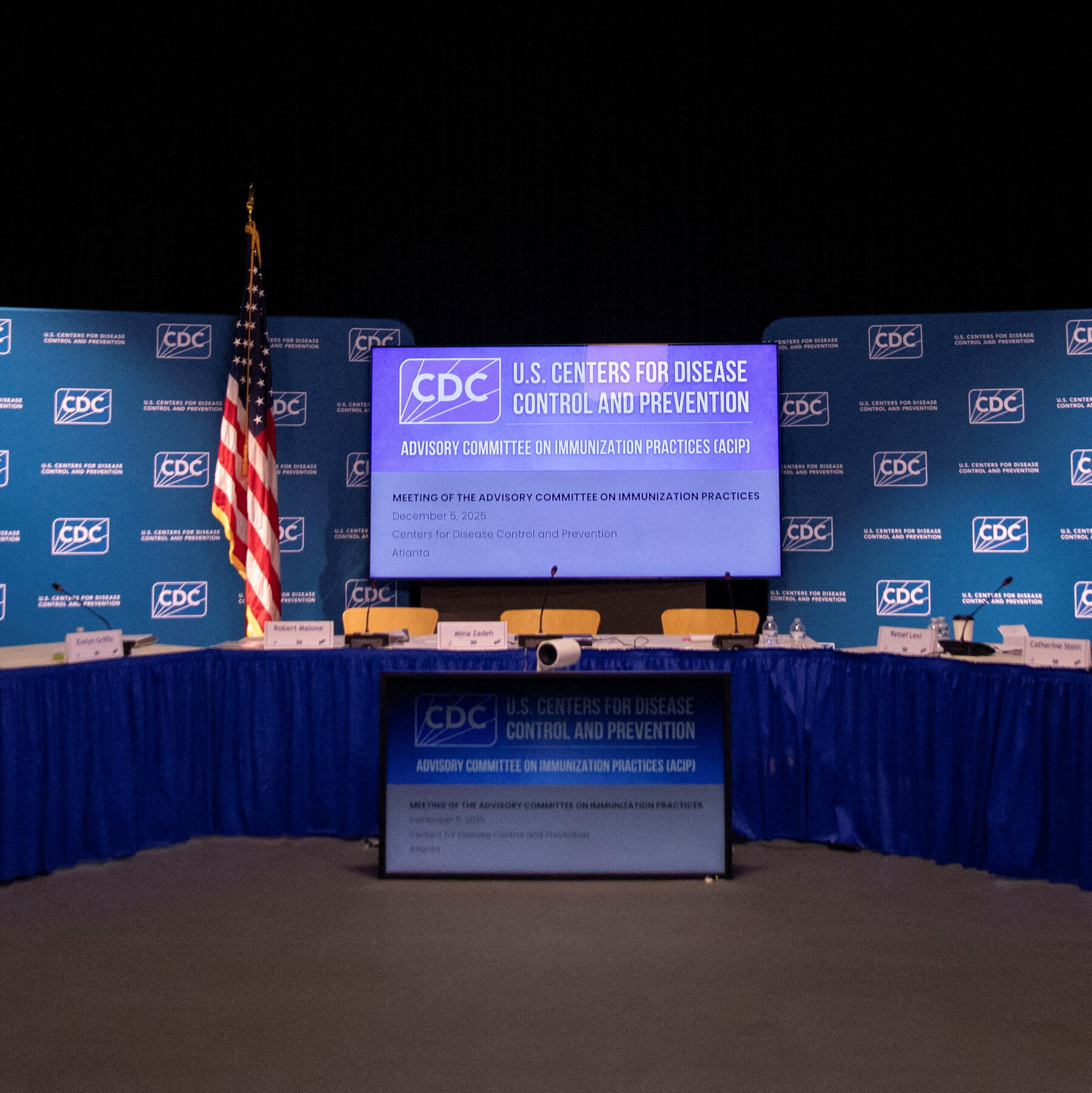
The Health and Human Services (H.H.S.) department is taking its first step toward restoring the Advisory Committee on Immunization Practices (ACIP), a panel that provides critical recommendations on vaccines for Americans. This move comes after a federal judge last month questioned the legitimacy of the committee and overturned its recent work. The situation has raised concerns about the future of vaccine recommendations in the United States.
The ACIP, which has been a key advisory body for the Centers for Disease Control and Prevention (CDC) and the H.H.S., has faced scrutiny since the judge's ruling. The judge's decision halted the committee's membership and decision-making processes, casting doubt on the authority of its recommendations. This development has raised questions about the stability of the nation's vaccination programs and the public's trust in these recommendations.
In response to the judge's ruling, the H.H.S. has issued a notice suggesting that the ACIP may be revived on the terms of Robert F. Kennedy Jr., a prominent vaccine skeptic and activist. Kennedy Jr. has long criticized the ACIP, arguing that its structure and processes are flawed and that it lacks transparency. His involvement in the revival of the committee could lead to significant changes in how the ACIP operates and makes decisions.
The potential revival of the ACIP under Kennedy Jr.'s influence has sparked both hope and concern among public health experts and advocates. Supporters of Kennedy Jr. believe that his involvement could bring much-needed transparency and accountability to the committee, ensuring that its recommendations are based on robust scientific evidence and public input. They argue that the ACIP's current structure has led to a lack of trust among the public, and Kennedy Jr.'s involvement could help rebuild that trust.
However, critics of Kennedy Jr.'s involvement are wary of the potential impact on the committee's independence and credibility. They argue that Kennedy Jr.'s vocal opposition to vaccines and his history of promoting misinformation could undermine the ACIP's authority and lead to further public confusion and distrust. They also question whether Kennedy Jr.'s proposed changes would truly address the underlying issues that led to the judge's ruling in the first place.
The H.H.S. has not yet provided details on how the ACIP will be restructured or how Kennedy Jr.'s role will be defined. The department has stated that it is committed to restoring the committee's legitimacy and ensuring that its recommendations are based on sound science and public input. However, the specifics of the revival plan remain unclear, leaving the future of the ACIP and the nation's vaccination programs in a state of uncertainty.
The situation surrounding the ACIP highlights the ongoing challenges faced by public health authorities in balancing the need for scientific expertise with public trust and transparency. The judge's ruling and the potential involvement of Kennedy Jr. have brought these issues to the forefront, prompting a broader discussion about the role of advisory committees in public health and the need for greater accountability and openness in their operations.
As the H.H.S. moves forward with plans to restore the ACIP, it will be crucial for the department to address the concerns raised by both supporters and critics of Kennedy Jr.'s involvement. The revival of the committee must be done in a way that ensures its recommendations remain grounded in science, while also fostering public trust and confidence in the nation's vaccination programs. The stakes are high, as the ACIP plays a critical role in protecting public health through the development and implementation of vaccination guidelines.
In the coming weeks and months, it will be important to monitor how the H.H.S. proceeds with restoring the ACIP and what specific changes Kennedy Jr.'s involvement will entail. The outcome of this process could have far-reaching implications for the future of vaccine recommendations in the United States and the public's trust in these recommendations. As the situation unfolds, it will be essential for all stakeholders to engage in a constructive dialogue, ensuring that the ACIP can continue to fulfill its vital role in public health.








