
Here’s a Timeline of Trump’s Ultimatums Over the Strait of Hormuz
President Trump first gave Iran 48 hours to reopen the vital oil shipping route on March 21. The deadline has been reset many times since.
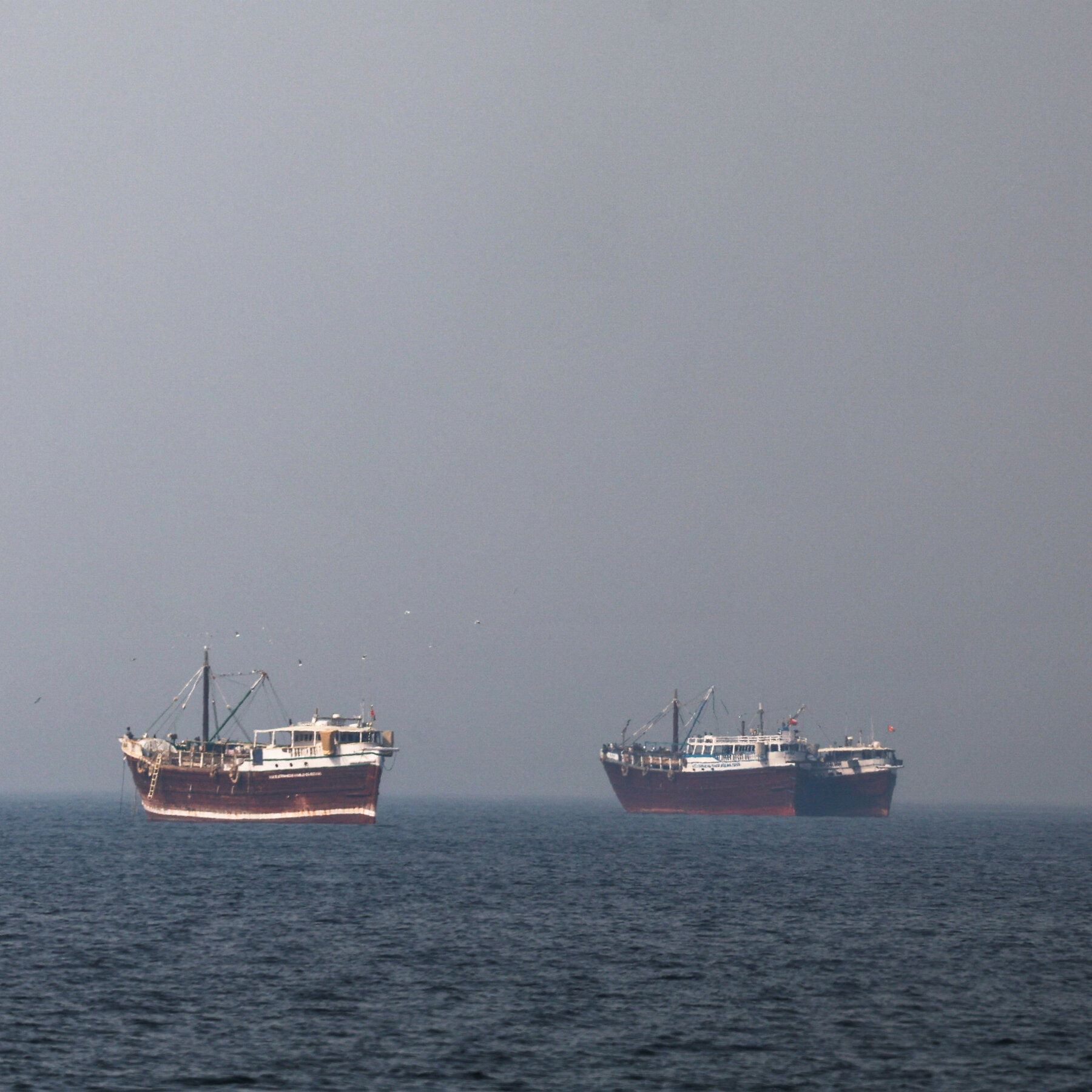
On March 21, President Trump issued a stark ultimatum to Iran, demanding that the country reopen the Strait of Hormuz within 48 hours. The move came as tensions between the two nations escalated over control of the strategic waterway, a critical chokepoint for global oil shipments. The Strait of Hormuz, located between the Persian Gulf and the Gulf of Oman, is the narrowest part of the waterway, with a width of just 21 miles at its narrowest point. It is a vital shipping route, accounting for approximately 30% of global oil production, making it a focal point of geopolitical rivalry.
Trump's initial ultimatum set the stage for a series of tense standoffs and shifting deadlines. The administration's stance was rooted in concerns over Iran's alleged threats to disrupt the flow of oil through the strait, potentially leading to a global energy crisis. The U.S. had already deployed additional military forces to the region, including the aircraft carrier Abraham Lincoln, as a show of force to deter any hostile actions by Iran.
Despite the initial 48-hour deadline, the situation did not resolve as quickly as anticipated. On March 22, the U.S. extended the ultimatum, citing the need for further diplomatic efforts. This marked the first of several times the deadline would be reset, reflecting the complexities of the geopolitical landscape and the challenges of mediating between two adversarial nations.
The following days saw a flurry of diplomatic activity, with both the U.S. and Iran engaging in high-stakes negotiations. However, the talks were fraught with mistrust and disagreements over the terms of any potential agreement. As the deadline approached again, the U.S. once more extended the ultimatum, this time indefinitely, signaling a shift in strategy.
The indefinite extension was met with mixed reactions. Some analysts viewed it as a sign of U.S. willingness to engage in prolonged diplomatic efforts, while others saw it as a reflection of the administration's inability to secure a swift resolution. Meanwhile, Iran continued to assert its sovereignty over the region, insisting that it had the right to defend its territorial waters and enforce its maritime laws.
The situation in the Strait of Hormuz remained volatile, with oil shipments slowing to a trickle as both sides maintained their positions. The reduced traffic through the strait had immediate implications for global oil markets, causing prices to spike and raising concerns about potential economic repercussions.
As the standoff continued, the international community watched with growing unease. Key players such as the European Union and China called for de-escalation, urging both nations to find a peaceful resolution. The United Nations also weighed in, with Secretary-General António Guterres expressing his concerns over the potential for a broader conflict in the region.
In the weeks that followed, the U.S. and Iran engaged in a series of back-and-forth communications, with each side accusing the other of making unreasonable demands. The stalemate persisted, with neither side willing to back down from its position. The indefinite ultimatum, initially seen as a flexible approach, now appeared to be a stalemate, with neither side prepared to concede.
As the situation dragged on, the broader implications of the standoff became increasingly apparent. The Strait of Hormuz was not just a matter of regional importance; it was a critical component of the global economy. The reduced flow of oil through the strait had ripple effects across markets, leading to inflationary pressures and concerns about economic stability.
In the face of this, some observers began to question whether the U.S. and Iran were truly committed to finding a diplomatic solution, or if the standoff was a reflection of deeper strategic interests. Some suggested that both nations were using the situation to advance their respective agendas, whether it be asserting regional dominance or testing the resolve of their adversaries.
The situation in the Strait of Hormuz remained a focal point of global attention, with analysts and policymakers grappling with the potential consequences of a prolonged standoff. As the deadline for the U.S. ultimatum was repeatedly reset, the path to a resolution remained uncertain. The world watched on, hoping for a de-escalation that could prevent the region from sliding further into conflict and the global economy from facing even greater challenges.









