
Helium supply crunch puts MRI services at risk amid Qatar disruptions
Iran's strikes on Qatar's Ras Laffan gas hub have disrupted helium production, showing how the conflict is rippling beyond energy markets to hit industries from technology to healthcare.
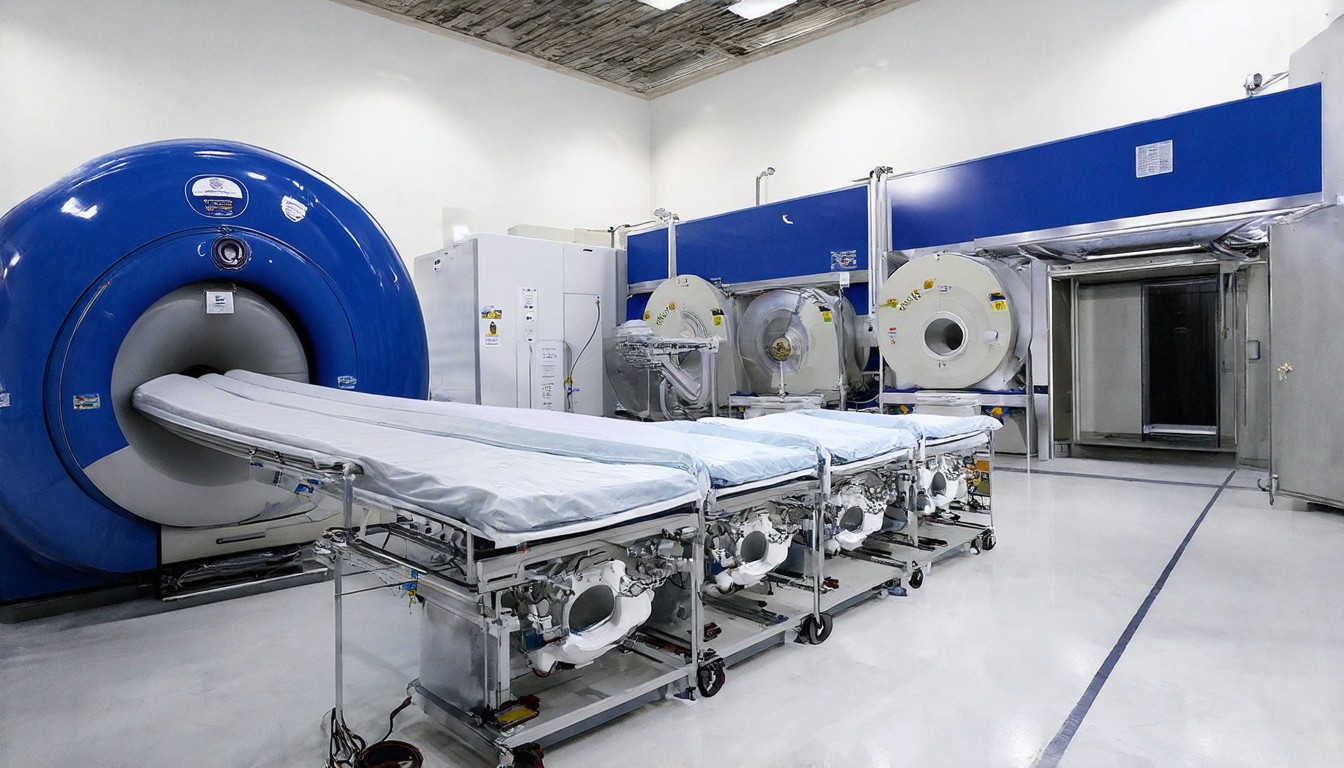
The recent Iranian strikes on Qatar's Ras Laffan gas hub have sent shockwaves through global supply chains, revealing the delicate interdependencies of modern industries. While the immediate focus has been on the disruption of natural gas supplies, the conflict has also indirectly impacted the production of helium, a critical component for a range of technologies and medical equipment. This unexpected ripple effect highlights the fragility of global supply chains and underscores the risks to industries that rely on helium, particularly in the healthcare sector where magnetic resonance imaging (MRI) machines are essential diagnostic tools.
Helium, a rare and inert gas, is primarily used in cryogenics, semiconductor manufacturing, and as a coolant for superconducting magnets in MRI machines. The Ras Laffan gas hub, located in Qatar, is a major hub for processing natural gas and helium. The strikes have disrupted operations at the facility, leading to a significant reduction in helium production. This development has raised concerns among industry experts and healthcare professionals, as the global helium supply chain is already strained due to rising demand and limited production capacity.
The disruption at Ras Laffan has prompted a reassessment of the global helium market. Qatar is one of the few countries capable of producing helium-3, a rare isotope of helium, which is essential for superconducting magnets in MRI machines. The sudden halt in production has created a critical shortage, threatening the availability of helium for medical and technological applications. This situation has put immense pressure on hospitals and healthcare providers worldwide, as MRI machines rely heavily on helium to function effectively.
The impact of the helium shortage on MRI services is particularly concerning. MRI machines are vital for diagnosing a wide range of medical conditions, from brain injuries to cancer. Without sufficient helium, the risk of equipment failure increases, potentially compromising patient safety and diagnostic accuracy. Healthcare facilities are already grappling with rising costs and limited resources, and the helium shortage adds another layer of complexity to an already strained system.
The disruption at Ras Laffan also has implications for the semiconductor industry. Helium is used in the production of advanced semiconductors, which are critical for the development of cutting-edge technologies such as artificial intelligence and quantum computing. The reduced availability of helium could slow down innovation and hinder the growth of these industries, which are already facing challenges due to global economic and geopolitical tensions.
The incident at Ras Laffan serves as a stark reminder of the interconnectedness of global supply chains and the vulnerabilities they face. The conflict in the region has not only disrupted energy markets but has also created ripple effects across industries that rely on helium. As the world grapples with these disruptions, it becomes clear that diversifying supply sources and investing in alternative technologies may be necessary to mitigate future risks.
In response to the helium shortage, some countries are exploring alternative sources and production methods. For instance, the United States, which is the largest consumer of helium, is increasing domestic production and seeking new international partnerships. However, these efforts may take time to bear fruit, and in the meantime, the healthcare and technology sectors must adapt to the current constraints.
The situation at Ras Laffan underscores the need for greater resilience in global supply chains. The disruption of helium production has highlighted the potential consequences of relying on a limited number of suppliers, particularly in regions prone to geopolitical instability. As the world continues to navigate complex economic and political challenges, the ability to adapt and find alternative solutions will be crucial in ensuring the stability of critical industries.
In conclusion, the Iranian strikes on Qatar's Ras Laffan gas hub have exposed the delicate balance of global supply chains and the far-reaching impacts of disruptions in key production facilities. The resulting helium shortage poses significant risks to healthcare services, particularly MRI capabilities, and threatens advancements in the semiconductor industry. As the world grapples with these challenges, the need for diversified supply sources and innovative solutions becomes more pressing than ever. The incident serves as a stark reminder of the interconnected nature of modern economies and the importance of preparedness in the face of potential disruptions.









