
Has the humanitarian crisis in Gaza been ignored?
Conditions in Gaza worsen amid the United States-Israel war on Iran.
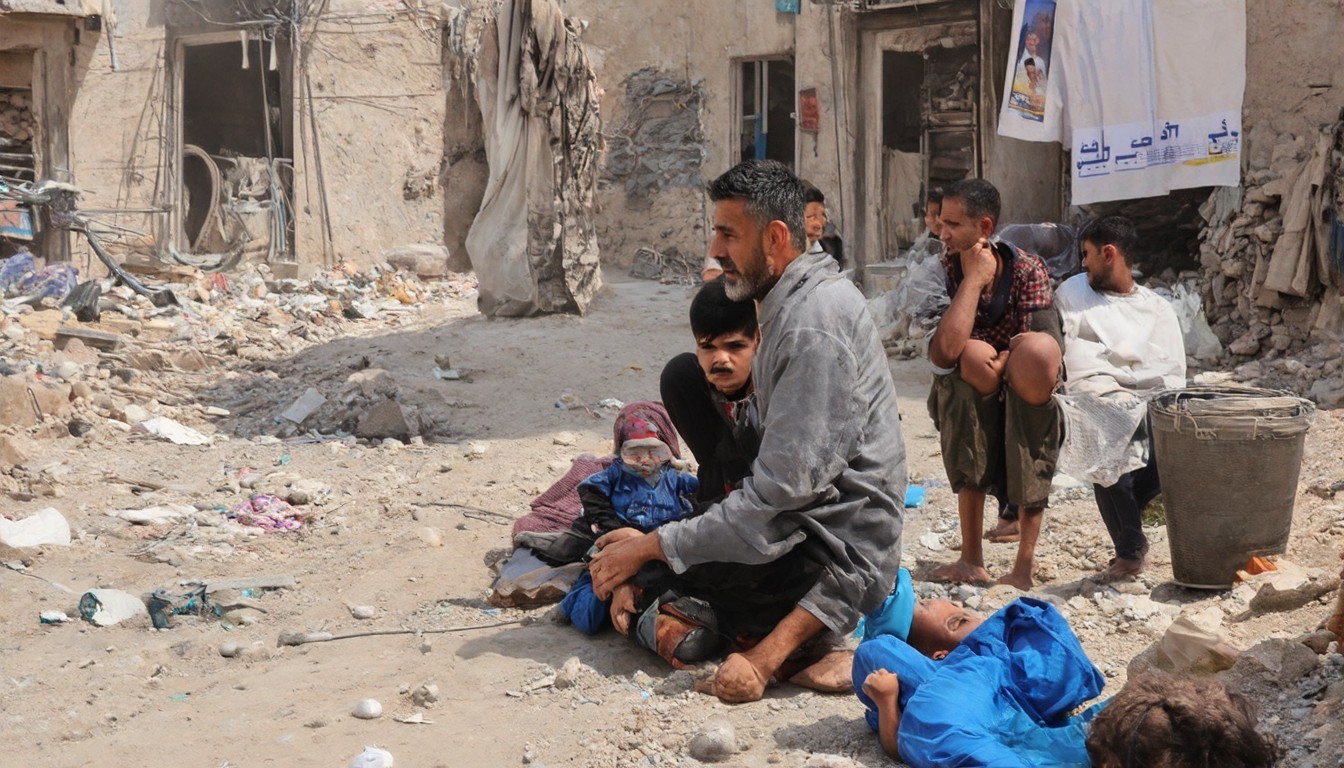
The humanitarian crisis in Gaza has been a persistent issue for years, but recent developments suggest that it may be increasingly being overlooked as global attention shifts to the United States-Israel war on Iran. With tensions escalating between these nations, the plight of Gaza's population, already facing severe hardships, risks being further marginalized.
Gaza, a small, densely populated territory on the Mediterranean coast, has long been a flashpoint in the Israeli-Palestinian conflict. The ongoing blockade by Israel and Egypt, which restricts the movement of goods and people, has severely limited access to essential resources such as food, medicine, and clean water. This has led to a humanitarian crisis, exacerbated by ongoing violence and the destruction of critical infrastructure.
The situation in Gaza has worsened in recent months as the United States and Israel have stepped up their efforts to counter Iran's nuclear program. While this geopolitical focus is understandable, it risks diverting resources and attention away from the humanitarian needs of Gaza's residents. The United States, a key ally of Israel, has been a vocal supporter of Israel's security measures, including the blockade of Gaza, which has been widely criticized by humanitarian organizations.
Critics argue that the worsening conditions in Gaza are a direct consequence of the blockade and the broader Israeli-Palestinian conflict. They point out that the blockade has not only stifled economic development but has also led to widespread poverty and unemployment, further deepening the humanitarian crisis. The destruction of schools, hospitals, and other public buildings during conflicts has left many Gaza residents without access to basic services.
The United Nations and other international organizations have repeatedly called for an end to the blockade and for increased humanitarian aid to Gaza. However, progress has been slow, and the situation on the ground remains dire. The recent focus on the United States-Israel war on Iran has added another layer of complexity, as it may lead to increased military activity in the region, potentially exacerbating the humanitarian situation in Gaza.
In addition to the blockade, Gaza's crisis is compounded by the ongoing Israeli-Palestinian conflict. The Israeli military's frequent raids and the destruction of civilian infrastructure have left many residents living in fear and uncertainty. The Hamas-led government, which controls Gaza, has been accused of mismanaging aid and resources, further contributing to the humanitarian challenges.
The international community's response to the crisis in Gaza has been inconsistent. While some countries and organizations have provided aid, the scale of the crisis far exceeds current efforts. The European Union and other donors have pledged funds, but the disbursement of aid has been slow and fraught with political challenges.
The humanitarian crisis in Gaza is a complex issue with deep-seated roots. As the United States and Israel focus on their war on Iran, it is crucial for the international community to remain vigilant and prioritize the needs of Gaza's population. The worsening conditions in Gaza serve as a stark reminder of the consequences of neglecting humanitarian crises in favor of geopolitical agendas.
In conclusion, the humanitarian crisis in Gaza has been a persistent and severe challenge for years. As the United States and Israel intensify their efforts to counter Iran's nuclear program, the plight of Gaza's residents risks being further ignored. The international community must remain committed to addressing the humanitarian needs of Gaza, ensuring that the crisis does not become an afterthought in the broader geopolitical landscape.









