Hard-braking events as indicators of road segment crash risk
Algorithms & Theory
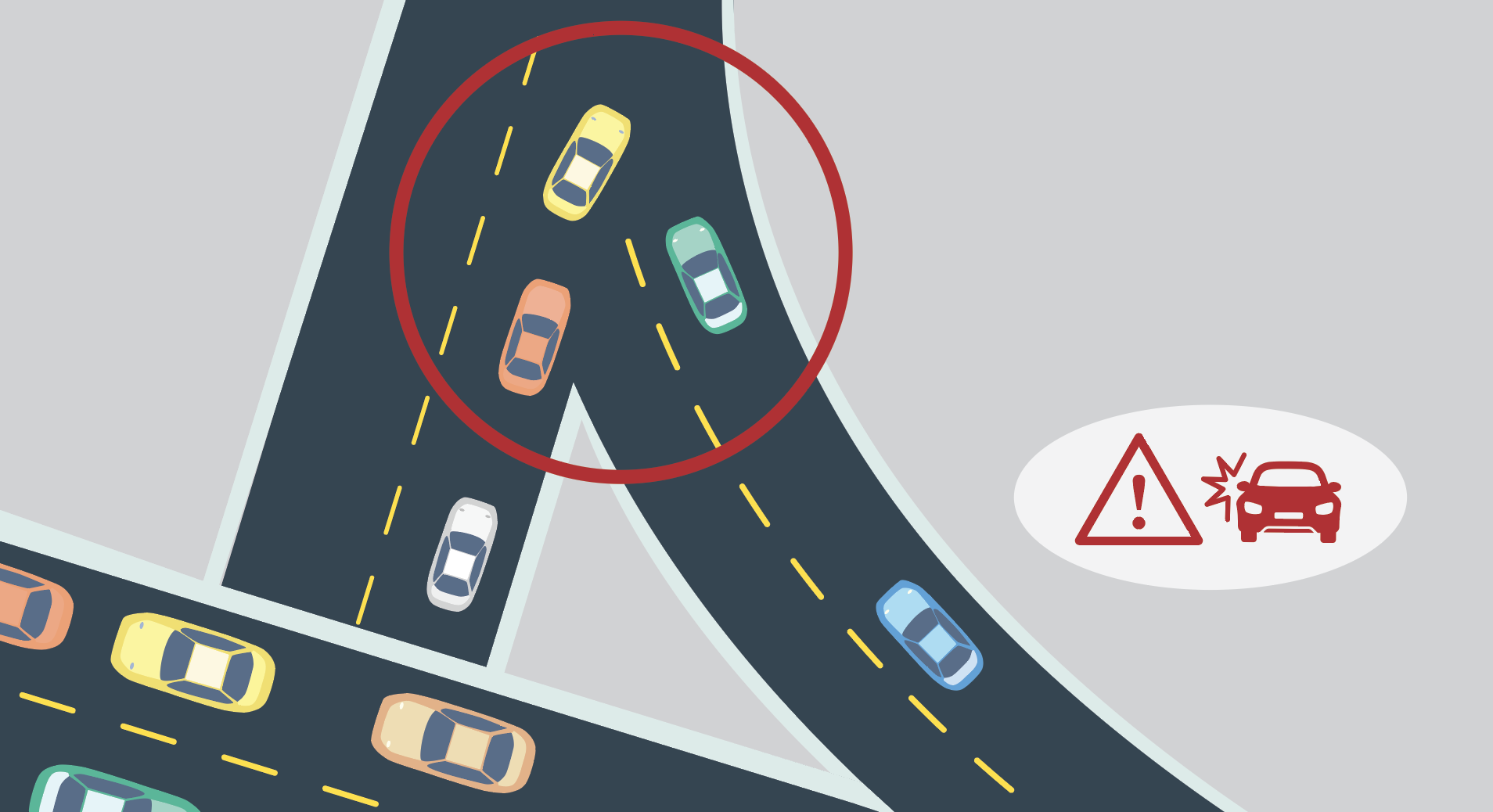
In recent years, researchers have increasingly turned their attention to analyzing hard-braking events as indicators of road segment crash risk. This approach, which combines advanced algorithms and theoretical models, offers a novel way to predict and mitigate road safety issues. By examining the frequency and characteristics of hard-braking incidents, experts can identify high-risk areas and implement targeted interventions to reduce the likelihood of accidents.
The concept of using hard-braking events as crash risk indicators stems from the understanding that sudden braking maneuvers often precede collisions. These events can be detected through data from in-vehicle sensors, such as accelerometers and GPS, which record changes in speed and direction. By analyzing this data, researchers can pinpoint instances where drivers are forced to brake abruptly, potentially due to hazardous road conditions, unexpected obstacles, or other drivers' behavior.
One of the key advantages of this method is its ability to provide real-time insights into road safety. By processing large volumes of data from multiple vehicles, algorithms can identify patterns and anomalies that might not be immediately apparent through traditional crash reporting methods. This real-time analysis allows authorities to respond more quickly to emerging risks, such as road construction, weather conditions, or traffic congestion, which can exacerbate the likelihood of accidents.
Theoretical models play a crucial role in this approach by helping to quantify the relationship between hard-braking events and crash risk. Researchers use statistical and machine learning techniques to develop predictive models that take into account various factors, such as road geometry, traffic volume, and weather conditions. These models can then be used to assess the safety of different road segments and prioritize interventions based on their potential impact.
One notable example of this approach is the use of "braking hotspots" to identify particularly dangerous areas. By analyzing historical data on hard-braking events, researchers can create maps that highlight regions where sudden braking is more frequent. These hotspots can then be targeted for improvements, such as better road markings, traffic calming measures, or enhanced signage. In some cases, authorities have even used this information to redesign road layouts or implement adaptive traffic management systems that adjust speed limits or signal timings in response to real-time conditions.
However, this method is not without its challenges. One of the main concerns is the accuracy and reliability of the data used to detect hard-braking events. In-vehicle sensors can sometimes produce false positives or negatives, particularly in cases where braking is caused by factors unrelated to road conditions, such as driver fatigue or vehicle malfunctions. To address this, researchers are exploring the integration of additional data sources, such as camera systems and LiDAR sensors, which can provide more context about the surrounding environment and the driver's actions.
Another challenge is the ethical implications of using individual vehicle data for crash risk analysis. While the anonymized data is generally considered safe for public use, some concerns have been raised about privacy and the potential for misuse. To mitigate these risks, researchers are advocating for robust data protection measures and transparent governance frameworks that ensure the responsible use of this information.
Despite these challenges, the potential benefits of using hard-braking events as indicators of road segment crash risk are significant. By leveraging advanced algorithms and theoretical models, authorities can gain valuable insights into road safety and implement targeted interventions to protect drivers and pedestrians. As this approach continues to evolve, it holds promise for transforming the way we understand and manage the risks associated with road transportation.
In conclusion, the integration of hard-braking events as crash risk indicators represents a promising advancement in road safety research. By combining real-time data analysis with theoretical models, experts can identify and address hazardous road segments more effectively. While challenges such as data accuracy and privacy concerns remain, the potential for improved safety and reduced accidents makes this approach a valuable tool in the ongoing quest to create safer roads for all.