
Handala Group Tied to Iranian Hack‑and‑Leak Operations, FBI Reveals
The FBI has warned that Iranian hacking group Handala has been targeting opponents of the regime since 2023
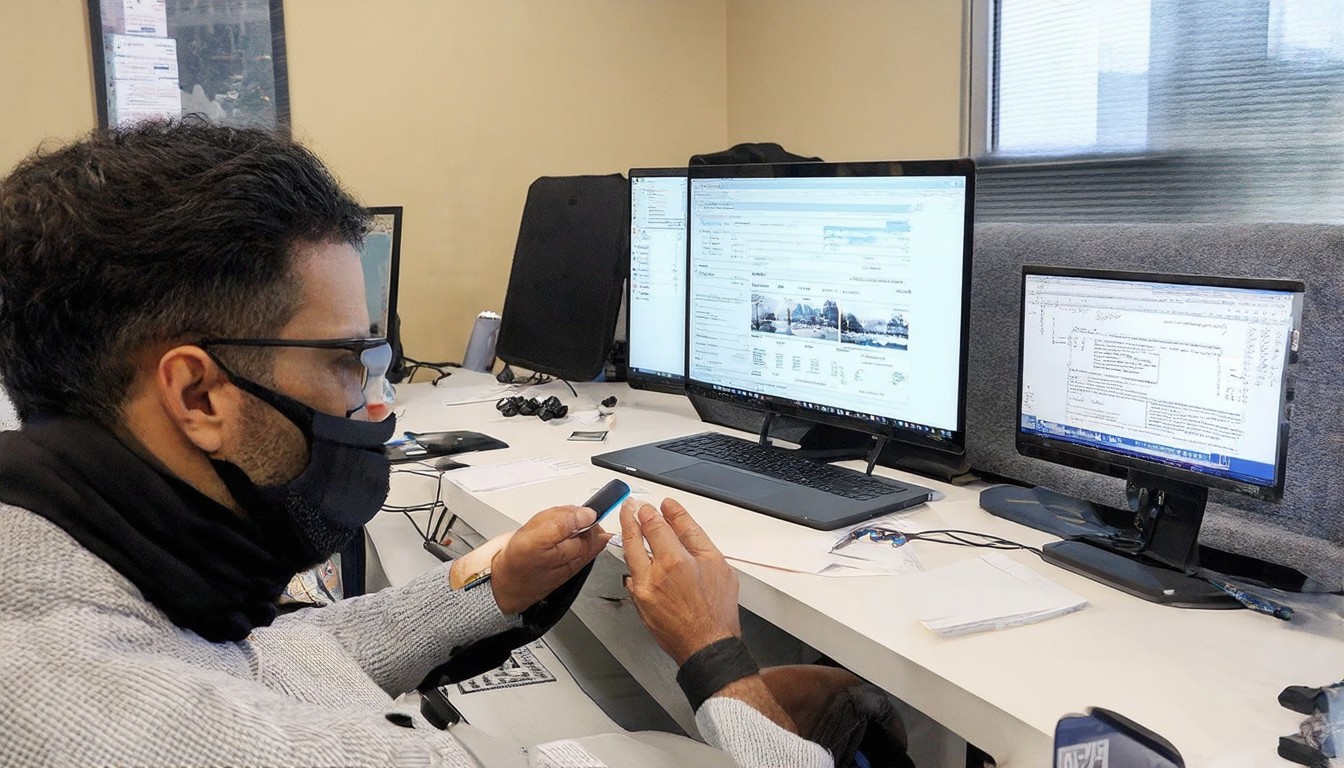
The FBI has revealed that the Iranian hacking group Handala has been conducting sophisticated cyber operations targeting regime opponents since 2023. This development marks a significant escalation in the ongoing digital warfare between Iran and its adversaries, highlighting the growing reliance of authoritarian regimes on cyber tactics to suppress dissent and undermine opposition groups.
Handala, which is believed to be a state-sponsored entity, has been identified by the FBI as a key player in a range of hack-and-leak operations. These operations typically involve infiltrating the digital infrastructure of targeted individuals or organizations, stealing sensitive information, and then leaking it publicly to discredit the victims. The group's activities have been particularly aggressive in recent years, with a focus on journalists, activists, and political dissidents who pose a threat to the Islamic Republic's stability.
The FBI's warning comes as part of a broader effort to raise awareness about the evolving tactics of Iranian cyber operatives. In a statement, the agency emphasized that Handala's operations are not limited to Iran but extend to targets in neighboring countries and beyond. This expansion reflects Iran's strategic interest in maintaining influence and control over regional affairs, even in the face of mounting international pressure.
One of the most noteworthy aspects of Handala's activities is its ability to infiltrate high-profile targets with relative ease. The group is known to employ advanced persistent threats (APTs) and zero-day exploits, which are sophisticated techniques designed to bypass traditional security measures. This capability allows Handala to operate with a high degree of stealth, making it challenging for defenders to detect and mitigate their attacks.
In response to these threats, the international community has stepped up its efforts to counter Iranian cyber operations. The FBI has collaborated with counterparts in other nations to share intelligence and develop strategies to neutralize Handala's activities. Additionally, several countries have implemented enhanced cybersecurity measures to protect their critical infrastructure and sensitive data from potential breaches.
Despite these efforts, the challenge remains significant. Handala's operations are not only a threat to individual targets but also pose a risk to national security. By compromising the digital systems of governments and organizations, the group can gain access to classified information, disrupt communications, and undermine the stability of targeted nations.
The FBI's revelation about Handala underscores the need for continued vigilance and investment in cybersecurity. As authoritarian regimes like Iran become more adept at leveraging cyber tools for their geopolitical objectives, it is crucial for democracies to stay ahead of the curve. This requires not only technological advancements but also a robust framework for intelligence sharing and coordinated responses to cross-border cyber threats.
In conclusion, the FBI's warning about the Handala group serves as a stark reminder of the growing sophistication and reach of Iranian cyber operations. As the Islamic Republic continues to expand its digital arsenal, the international community must remain alert and proactive in its efforts to counter these threats. The stakes are high, as the success of Handala's operations can have far-reaching consequences for the security and stability of nations both within and outside of the Middle East.









