HAL Failed To Deliver Tejas Mk1A In 2025-26, Review Meeting With IAF Soon
This development comes after months of delays in the delivery of Tejas Mk1A, which, lately, were promised to be delivered by the end of March 2025-26.
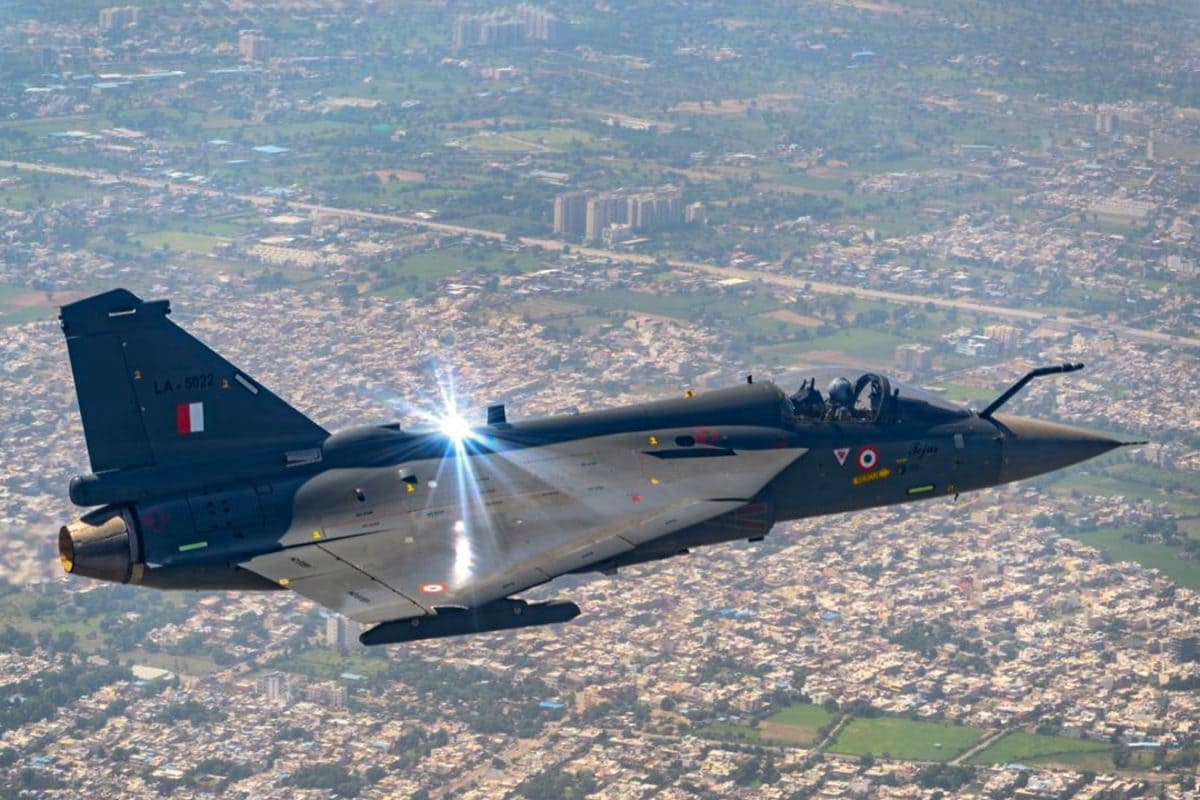
The Indian aerospace giant HAL (Hindustan Aeronautics Limited) has faced significant scrutiny following its failure to deliver the Tejas Mk1A fighter jets by the end of March 2025-26, as previously promised. This development has sparked concerns within the Indian Air Force (IAF) and raised questions about the reliability of HAL's production timelines.
The Tejas Mk1A, a single-seat, light fighter jet, has been a focal point of India's indigenous defense capabilities. Developed by HAL, the Tejas Mk1A is designed to provide a cost-effective and technologically advanced solution for the IAF. The aircraft has been in development for over two decades, with the first flight taking place in 2001. Since then, HAL has been working diligently to refine the Tejas Mk1A's capabilities, ensuring it meets the IAF's stringent requirements.
Despite the initial promise of delivering the Tejas Mk1A by the end of March 2025-26, HAL has faced several delays in recent months. These delays have raised concerns among IAF officials, who have been eagerly awaiting the arrival of these advanced fighter jets. The Tejas Mk1A is seen as a critical component of India's air defense strategy, particularly in the context of regional tensions and the need for a robust and modernized air force.
The recent setback has prompted the IAF to schedule a review meeting with HAL officials to discuss the situation and explore potential solutions. During the meeting, IAF representatives are expected to express their concerns and demand a revised timeline for the delivery of the Tejas Mk1A. The IAF may also inquire about the reasons behind the delays and the steps HAL has taken to address them.
The delays in the Tejas Mk1A delivery have been attributed to a combination of factors. One of the primary reasons cited by HAL is the complex nature of the aircraft's design and the need for rigorous testing to ensure it meets the required standards. Additionally, supply chain disruptions and a shortage of skilled labor have been identified as contributing factors.
In response to the delays, HAL has assured the IAF that it is committed to delivering the Tejas Mk1A as soon as possible. The company has also emphasized its dedication to maintaining the highest standards of quality and safety. HAL has reportedly increased its production capacity and has implemented stricter quality control measures to expedite the delivery process.
The Tejas Mk1A's delayed delivery has implications not only for the IAF but also for the broader defense sector. The Tejas Mk1A is intended to serve as a platform for future development, with plans to integrate advanced technologies such as stealth capabilities and hypersonic missiles. Delays in the delivery of the Tejas Mk1A could therefore impact the timeline for these enhancements, potentially affecting India's defense readiness.
The IAF's review meeting with HAL is expected to be a critical moment in addressing these concerns. Both parties will need to work closely together to identify the root causes of the delays and develop a realistic plan to ensure timely delivery of the Tejas Mk1A. The meeting will also serve as an opportunity for HAL to demonstrate its commitment to meeting the IAF's expectations and upholding its reputation as a reliable defense contractor.
In the meantime, the IAF will continue to monitor the situation closely, ensuring that it remains informed about HAL's progress. The air force may also explore alternative options, such as procuring additional fighter jets from domestic or international sources, to mitigate the impact of the delays.
The Tejas Mk1A's delayed delivery serves as a stark reminder of the challenges faced by the Indian defense sector in recent years. While India has made significant strides in developing indigenous defense capabilities, the process has been fraught with delays and setbacks. The IAF's review meeting with HAL will be a pivotal moment in addressing these challenges and ensuring that the Tejas Mk1A is delivered on time, reinforcing India's air defense capabilities and contributing to the nation's overall security.
As the meeting approaches, both HAL and the IAF will need to demonstrate a collaborative approach to resolve the issues at hand. The success of this meeting will be crucial in restoring confidence in HAL's ability to deliver on its promises and in ensuring that the Tejas Mk1A fulfills its role as a cornerstone of India's modernized air force.
In conclusion, the delayed delivery of the Tejas Mk1A by HAL has raised concerns within the IAF and highlighted the complexities of India's defense sector. The upcoming review meeting between HAL and the IAF will be a critical opportunity to address these concerns and develop a plan to ensure timely delivery of the aircraft. The outcome of this meeting will have significant implications for both HAL and the IAF, as well as for India's defense capabilities as a whole. As the two parties prepare to discuss the situation, it remains to be seen whether they can overcome the challenges and deliver the Tejas Mk1A in a manner that meets the IAF's expectations and upholds the nation's security interests.