
Gunmen on bikes storm Nigeria village on Palm Sunday, killing at least 20
Gunmen on motorcycles shot sporadically into a Nigerian community on Palm Sunday, killing at least 20, residents say, prompting a 48-hour curfew in Plateau state.
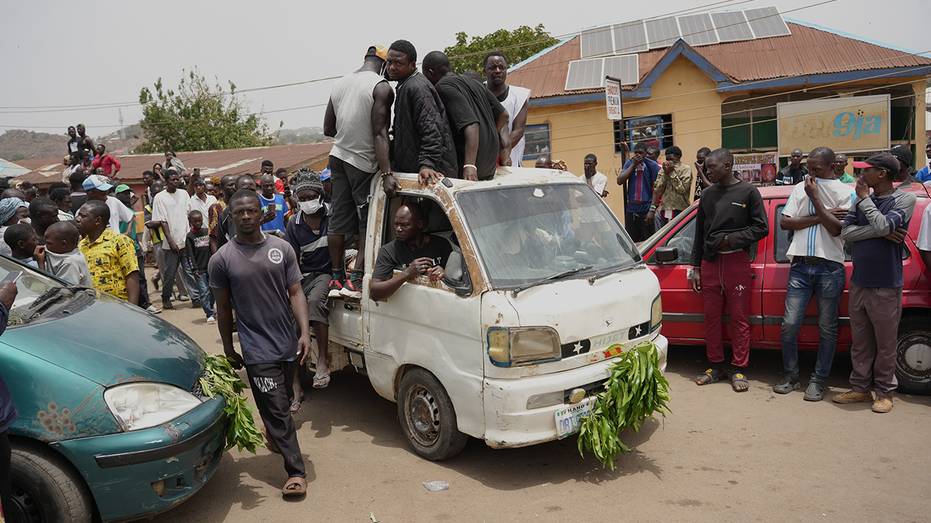
On Palm Sunday, a peaceful community in Nigeria was violently disrupted when gunmen on motorcycles stormed the Gari Ya Waye village in the Jos North area of Plateau state. The attack left at least 20 people dead, with some reports suggesting a higher death toll. The horrific incident has sent shockwaves through the region, prompting the Plateau state government to impose a 48-hour curfew in an attempt to restore order and prevent further violence.
The attack occurred in the early hours of the morning, with gunmen riding on bikes firing sporadically into the community. Residents, who were gathered for Palm Sunday celebrations, were caught off guard by the sudden onslaught of violence. Many were unable to escape the chaos, resulting in a tragic loss of life. The exact number of casualties remains uncertain, as some sources suggest the death toll could be as high as 30.
Joyce Lohya Ramnap, the state commissioner for information, confirmed that the attack took place in the Gari Ya Waye community. She emphasized the need for a thorough investigation into the incident to determine the perpetrators and bring them to justice. However, the identity of the gunmen and their motives remain unclear.
The International Christian Concern (ICC), a global humanitarian organization, reported that at least 30 people were killed in the attack, with many of the victims being Christians. Alex Barbir, a humanitarian worker, shared on social media that at least 10 people were killed earlier Sunday, and the victims were predominantly Christians. This tragic event has highlighted the ongoing persecution of Christians in Nigeria, a country that is ranked the seventh-worst in the world for Christian persecution, according to Open Doors, a global Christian charity.
In 2025, the ICC documented the killing of at least 54 Christians in Zikke village near Jos following Palm Sunday celebrations. The village was also largely destroyed during the attack, with more than 100 homes being burned down. This year's attack in Gari Ya Waye village echoes the violence that occurred in Zikke village, raising concerns about the safety of Christians in the region.
The Plateau state government's decision to impose a 48-hour curfew is a direct response to the attack, aiming to prevent further violence and ensure the safety of the community. However, the curfew may also have unintended consequences, such as limiting access to essential services and exacerbating the hardships faced by the residents.
Nigeria has long been plagued by religious and ethnic tensions, with frequent attacks on Christian communities by armed groups. In 2025, Open Doors recorded that 546 Christians were killed in the Plateau State alone. This year's attack on Palm Sunday serves as a grim reminder of the ongoing persecution and violence faced by Christians in the region.
The international community has been closely monitoring the situation in Nigeria, with the United States playing a significant role in supporting efforts to combat terrorism. In recent years, the US has worked closely with Nigerian forces to target Islamist terrorist groups operating in the country. However, the attack in Gari Ya Waye village underscores the challenges faced in ensuring the safety of civilians and preventing further violence.
The aftermath of the attack has left the community in a state of trauma and uncertainty. Residents are struggling to come to terms with the loss of their loved ones and the destruction of their homes. The Plateau state government and local authorities are working to provide assistance and support to the affected families, but the long-term consequences of this tragic event remain to be seen.
As the investigation into the attack continues, the international community must remain vigilant and support efforts to protect religious minorities in Nigeria. The violence against Christians in the region must come to an end, and those responsible must be held accountable for their actions. Only then can peace and stability be restored to the communities that have been so tragically impacted by years of persecution and violence.









