Scientists Confirm Widespread Natural Self-Stimulation in Birds
A recent scientific confirmation highlights that self-stimulation is a natural and widespread behaviour among birds, offering fresh insights into avian biology and challenging long-held anthropocentric views of animal sexuality.
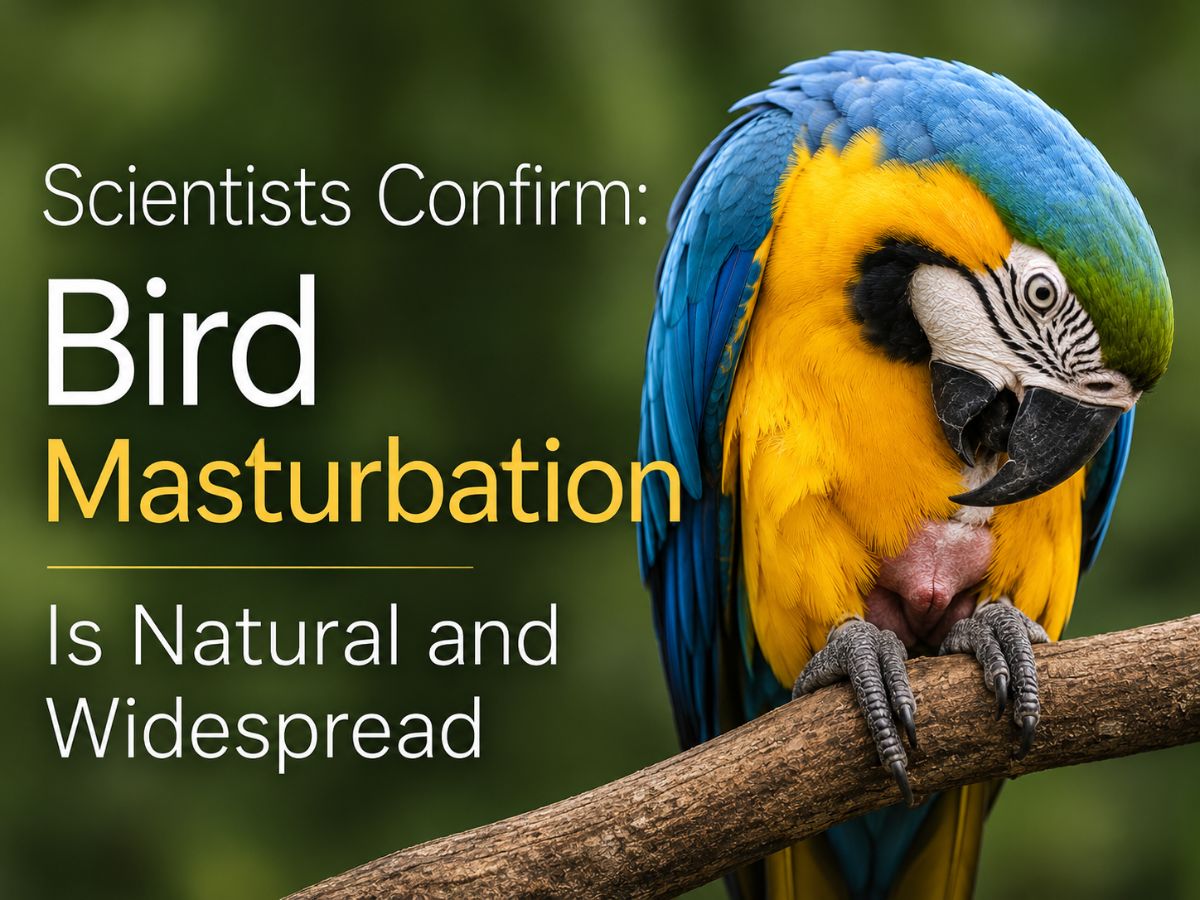
In a significant development for avian ethology, scientists have reportedly confirmed that self-stimulation, commonly referred to as masturbation, is a natural and widespread behaviour among birds. This finding, emerging from dedicated research, offers a crucial lens through which to understand the intricate lives and biological processes of our feathered companions, challenging previous assumptions and broadening the scope of animal behaviour studies.
For decades, the study of animal sexuality, particularly behaviours that do not directly lead to reproduction, has often been fraught with human biases and a reluctance to acknowledge complex, non-procreative acts in non-human species. Historically, observations of such behaviours were frequently dismissed as anomalies, stress-induced actions, or simply overlooked due to an anthropocentric lens that struggled to reconcile them with prevailing notions of 'natural' or 'purposeful' animal conduct. This new confirmation marks a pivotal shift, compelling the scientific community to embrace a more holistic and objective view of animal biology.
The significance of this confirmation extends beyond mere observation. It underscores the importance of rigorous, unbiased scientific inquiry into the natural world, even when confronted with behaviours that might initially seem unconventional from a human perspective. By acknowledging and studying such widespread natural behaviours, researchers can gain deeper insights into the physiological, psychological, and evolutionary drivers that shape the lives of birds. This understanding is vital for developing more accurate models of avian social structures, reproductive strategies, and individual well-being.
Confirming a behaviour as both natural and widespread across a diverse group like birds requires extensive observation and meticulous analysis. While specific methodologies for this particular finding were not detailed, such scientific validations typically involve long-term field studies, controlled environment observations, and often, physiological assessments to differentiate between various forms of self-contact and their underlying motivations. The challenge lies in moving beyond anecdotal evidence to establish patterns that are statistically significant and representative of a species or broader taxonomic group.
From an evolutionary standpoint, the prevalence of self-stimulation in birds invites further investigation into its potential adaptive benefits or functions. While not directly leading to offspring, such behaviours could serve multiple purposes. These might include stress relief, practice for copulation, maintaining sexual vigour, or even the release of excess seminal fluid to ensure the quality of subsequent ejaculations during actual mating. Understanding these potential roles could provide valuable clues about the selective pressures that have shaped avian reproductive physiology and behaviour over millennia.
Moreover, this scientific confirmation has profound implications for animal welfare and conservation efforts. For birds in captivity, recognizing self-stimulation as a natural behaviour can inform better husbandry practices, ensuring environments that allow for the expression of a full range of natural behaviours, thereby reducing stress and improving overall welfare. In the wild, understanding such intrinsic behaviours contributes to a more complete ecological picture, aiding in conservation strategies that consider the nuanced needs and natural inclinations of avian populations.
The finding serves as a powerful reminder to continually challenge anthropocentric interpretations of the animal kingdom. It reinforces the idea that animals possess rich, complex inner lives and behavioural repertoires that often defy human expectations or moral frameworks. Embracing this complexity is crucial for fostering genuine respect and understanding for biodiversity, moving away from viewing animals solely through the prism of human utility or morality.
This groundbreaking confirmation is expected to open new avenues for research. Future studies could delve into the specific hormonal mechanisms underlying self-stimulation in different bird species, explore the environmental or social factors that influence its frequency, and investigate its precise evolutionary trajectory. Such detailed investigations promise to further unravel the mysteries of avian sexuality and contribute significantly to the broader field of comparative ethology.
Ultimately, the scientific affirmation of widespread natural self-stimulation in birds is more than just an interesting fact; it is a testament to the ongoing quest for objective truth in science. It highlights the importance of observing nature with an open mind, allowing the evidence to guide our understanding, and continually expanding our appreciation for the diverse and often surprising ways in which life expresses itself across the planet.