
Green Energy Transforming Agricultural Research Facilities in Kenya
Solar power installations supported by GIZ are enabling reliable, sustainable energy at CIMMYT’s Kenya research stations, ensuring uninterrupted irrigation and strengthening agricultural research capacity. What to read next: CIMMYT and Jilin Academy of Agricultural Sciences (JAAS) Strengthen Collaboration through visit at CIMMYT Kenya | CIMMYT shows partners in Kenya new breakthroughs in maize and wheat research | Decade of Defending Maize MLN in Africa: Kenya Celebrates Suresh, Maize Pathologist Legacy | Q&A: A decade of improved and climate-smart maize through collaborative research and innovation
Green Energy Transforming Agricultural Research Facilities in Kenya
In recent years, the agricultural research sector in Kenya has faced significant challenges due to unreliable electricity supply, which has disrupted critical operations at key research stations. Frequent power outages and low voltage from the national grid have posed a major obstacle to maintaining irrigation systems, which are essential for crop development and experimentation. However, a groundbreaking initiative supported by GIZ-Germany under the Crops to End Hunger (CtEH) program has brought about a transformative change in this landscape. The International Maize and Wheat Improvement Center (CIMMYT) has installed solar power systems at two of its major research facilities in Kenya, ensuring a reliable and sustainable energy supply that supports agricultural research and innovation.
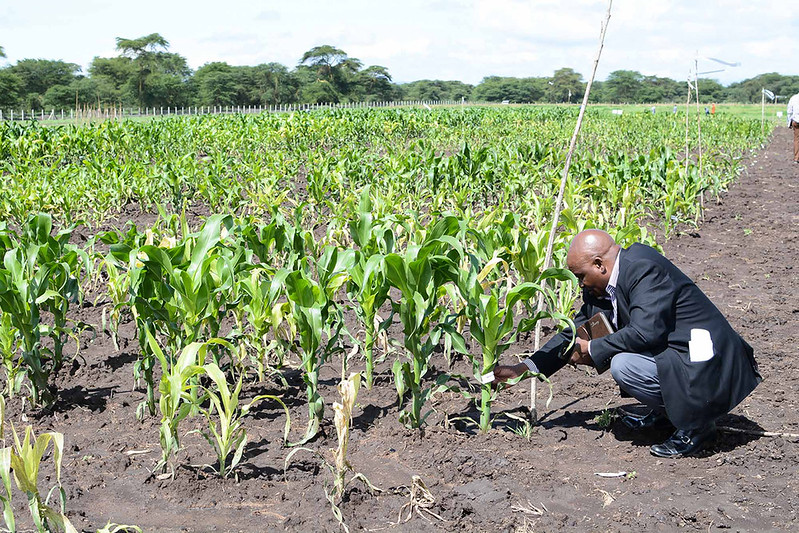
The Crops Research Facility (CRF) in Kiboko, a major hub for developing resilient germplasm for maize and other dryland crops such as sorghum, pearl millet, finger millet, pigeon pea, and groundnut, has been one of the first beneficiaries of this energy transition. These crops are vital for improving food security and resilience in drought-prone regions, and their development relies heavily on consistent irrigation. To address the persistent electricity challenges faced by the facility, a 250 kW solar power system has been installed to operate seven irrigation pumps. This system now provides the vast majority of the energy required for irrigation, with only 2–5 kW drawn from the national grid out of the total 250 kW capacity.
Before the solar installation, operating these pumps cost approximately US$77,400 per year in electricity. With the new system in place, these costs are expected to decrease by at least 70%, generating substantial savings that can be reinvested into research activities. This financial relief not only supports ongoing research but also allows CIMMYT to explore new avenues for crop improvement and development. The reduction in electricity costs also alleviates the financial burden on the research facility, enabling it to focus more resources on its core mission of enhancing agricultural productivity and resilience.
In addition to financial savings, the solar power system at the CRF in Kiboko is projected to reduce CO₂ emissions by around 20 tonnes annually. This environmental benefit aligns with CIMMYT's commitment to conducting research in an environmentally responsible manner. By transitioning to renewable energy sources, the organization is not only reducing its carbon footprint but also setting a precedent for sustainable agricultural research practices.
The improved reliability of irrigation, thanks to the solar power system, ensures that breeding nurseries and experimental trials receive consistent water supply. This stability is crucial for the success of crop development programs, as it allows researchers to monitor and evaluate the performance of different crop varieties under controlled conditions. The uninterrupted supply of water and electricity has also enhanced the capacity of the research facility to conduct long-term experiments, which are essential for identifying and developing high-yielding, drought-resistant, and nutritious crop varieties.
CIMMYT's success in harnessing solar power to address energy challenges at its research facilities in Kenya is a testament to the potential of renewable energy in transforming agricultural research. By reducing dependency on the national grid and lowering operational costs, solar power systems not only ensure the continuity of research activities but also promote sustainable and environmentally friendly practices. This initiative serves as a model for other agricultural research institutions in the region and beyond, highlighting the importance of investing in renewable energy solutions to support the development of improved crop varieties that can enhance food security and resilience in the face of climate change and other challenges.
The collaboration between CIMMYT and GIZ-Germany under the Crops to End Hunger initiative has not only brought about tangible improvements in energy supply but also strengthened the overall capacity of agricultural research in Kenya. The successful implementation of solar power systems at research facilities has demonstrated the feasibility and benefits of transitioning to renewable energy sources, paving the way for further innovations and advancements in the sector. As CIMMYT continues to expand its research programs and collaborate with other institutions, such as the Jilin Academy of Agricultural Sciences (JAAS), the role of sustainable energy in driving agricultural research will only grow in importance.
In conclusion, the installation of solar power systems at CIMMYT's research facilities in Kenya, supported by GIZ-Germany, represents a significant milestone in the quest for reliable and sustainable energy in agricultural research. By addressing the challenges posed by unreliable electricity supply, this initiative has ensured uninterrupted irrigation and strengthened agricultural research capacity. The financial savings, environmental benefits, and enhanced research capabilities underscore the importance of investing in renewable energy solutions for the agricultural research sector. As Kenya and other countries around the world strive to improve food security and resilience, the integration of sustainable energy practices will play a crucial role in driving innovation and achieving long-term success in crop development.








