
Grammarly’s CEO defends putting AI editorial suggestions into the voices of real writers (while noting it didn’t work very well)
Sometimes you just get lucky with the editorial calendar. About a month ago, Superhuman CEO Shishir Mehrotra agreed to be a guest on Decoder, the podcast from The Verge hosted by editor-in-chief Nilay Patel. Superhuman is the company formerly known as Grammarly, which is now just one of its AI-focused productivity tools, and Mehrotra and...
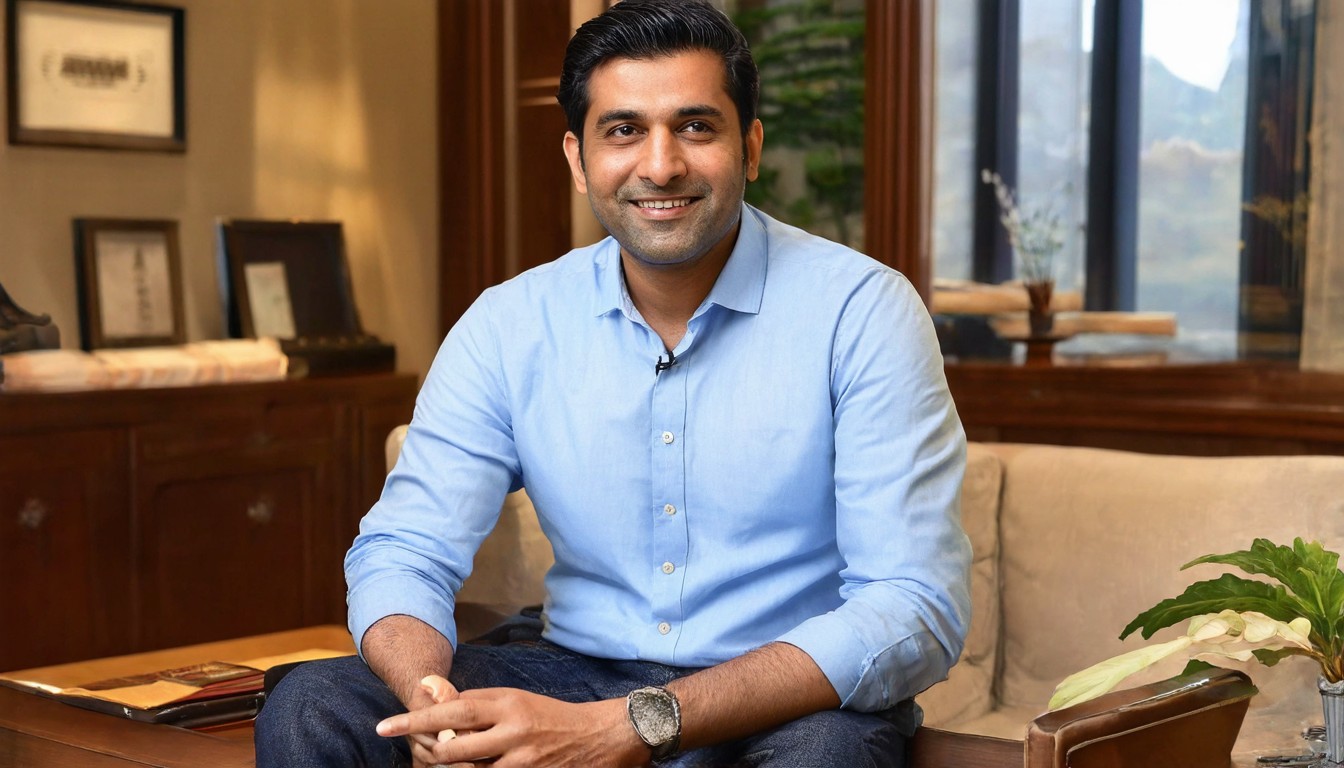
Sometimes you just get lucky with the editorial calendar. About a month ago, Superhuman CEO Shishir Mehrotra agreed to be a guest on Decoder, the podcast from The Verge hosted by editor-in-chief Nilay Patel. Superhuman is the company formerly known as Grammarly, which is now just one of its AI-focused productivity tools, and Mehrotra and Patel would have already had plenty to talk about. But then journalists started noticing a little-known Grammarly feature called "Expert Review," which offered users suggested improvements to whatever they were writing. But the proposed changes were framed as coming from real writing experts—journalists, novelists, academics, and more. It wasn't AI suggesting a plot twist—it was Stephen King. It wasn't AI proposing a cleaner way to explain science—it was Carl Sagan. And it wasn't AI pointing out a way to improve your tech column—it was Nilay Patel.
Writers, as one might expect, were not thrilled to see their names being used to lend credibility to AI editing suggestions. (Even me!) Technology journalist Julia Angwin filed a class-action lawsuit against Grammarly, seeking damages. By that point, Mehrotra had announced the demise of "Expert Review" after eight months, saying he wanted "to apologize and acknowledge that we’ll rethink our approach going forward."
Give Mehrotra credit for showing up for his interview with Patel anyway, which was released this morning. After a brief chat about Superhuman's product strategy overall, Patel dove straight into the dispute:
"You do not have our permission to use our names to do this. You had little check marks next to the name that indicated it was somehow official. People did not like this, I did not like this, and you removed the feature. Tell me about the decision to launch this feature with names you didn't have permission for and the decision to unlaunch the feature."
Mehrotra apologized again ("I'm really sorry about that"), admitting that the feature was a mistake. He explained that the idea behind "Expert Review" was to make the AI suggestions more relatable and trustworthy. The company had partnered with a small group of writers to create the suggestions, and they used the writers' names to personalize the feedback. However, they didn't obtain explicit permission from the writers to use their names, and the checkmarks that appeared next to the names were meant to indicate that the suggestions were "approved" by the writers, not that they were written by them.
Mehrotra acknowledged that the feature was poorly executed and that it crossed a line. He said that the company had learned from the experience and was committed to being more transparent about how AI suggestions were generated. He also mentioned that they were working on new ways to make AI tools more accessible and helpful to users without misleading them.
Patel pressed Mehrotra on whether the company had considered the ethical implications of using writers' names in this way. Mehrotra admitted that they hadn't, but he insisted that the intention was good—to make writing better by leveraging AI. He also defended the overall value of AI in productivity, pointing out that tools like Grammarly and Superhuman have helped millions of people communicate more effectively.
The interview ended on a somewhat positive note, with both Patel and Mehrotra agreeing that AI has a lot of potential, but it needs to be used responsibly. Mehrotra promised to be more careful in the future and to prioritize user trust.
The "Expert Review" feature has since been removed, and Grammarly has pivoted its focus back to its core grammar and clarity tools. The incident serves as a cautionary tale about the dangers of overreaching with AI and the importance of transparency and ethical considerations in technology. While the feature may have been well-intentioned, the backlash from the writing community and the legal action taken by Angwin highlighted the need for companies to be more thoughtful about how they present and market their AI products.









