Govt's Rs 10,000 Cr Fund to Stabilise Airline Fuel Costs
The government has announced a substantial Rs 10,000 crore fund aimed at stabilising Aviation Turbine Fuel (ATF) prices, providing crucial relief to airlines grappling with the economic fallout of the West Asia crisis and escalating operational costs.

In a proactive measure to bolster the resilience of India's aviation sector, the government has reportedly established a substantial Rs 10,000 crore fund dedicated to stabilising the prices of Aviation Turbine Fuel (ATF). This significant financial allocation aims to shield domestic airlines from the volatile and often prohibitive costs associated with aviation fuel, especially in the context of the ongoing geopolitical uncertainties emanating from the West Asia region. The move underscores a strategic intent to mitigate external economic shocks impacting a critical infrastructure sector.
Aviation Turbine Fuel constitutes a major portion of an airline's operational expenditure, often accounting for 30-40% of total costs. Its pricing is intrinsically linked to global crude oil benchmarks, which are highly susceptible to geopolitical developments, supply-demand dynamics, and currency fluctuations. The inherent volatility of ATF prices can significantly impact airline profitability, operational planning, and ultimately, ticket fares for consumers, making price stability a paramount concern for the industry.
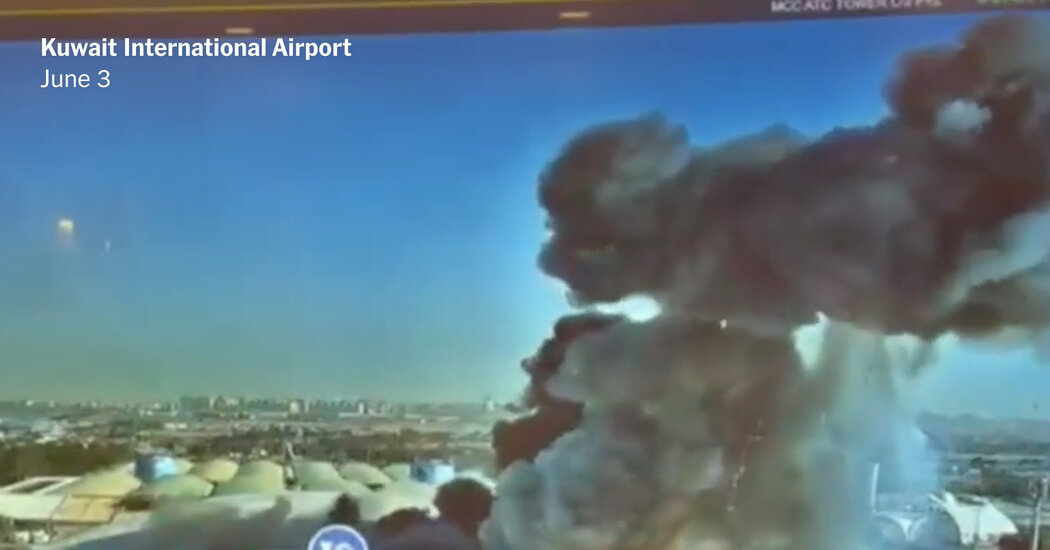
The current geopolitical landscape, particularly the reported instability in West Asia, has introduced an additional layer of complexity and risk to global energy markets. Such crises typically lead to heightened crude oil prices due to supply concerns, increased shipping costs, or speculative trading. For India, a net importer of crude oil, these international developments directly translate into elevated domestic ATF prices, placing immense financial pressure on airlines already navigating a competitive and capital-intensive environment.
According to reports, the newly announced Rs 10,000 crore fund will operate by extending financial support to Oil Marketing Companies (OMCs). These OMCs are pivotal in the supply chain, procuring crude oil, refining it into ATF, and distributing it to airlines. By providing OMCs with financial assistance, the government intends to empower them to absorb a portion of the price shocks. This mechanism is designed to prevent steep, uncontrolled increases in ATF prices beyond a predefined level, thereby creating a buffer for airlines against sudden and severe cost escalations.
The direct beneficiaries of this stabilisation fund will be the airlines operating within the country. By insulating them from extreme fuel price volatility, the government aims to foster a more predictable operating environment. This predictability can enable airlines to undertake better financial planning, manage their cash flows more effectively, and potentially maintain more stable fare structures for passengers. In a sector where margins can be thin, such a measure can be crucial for sustaining profitability and ensuring continued investment in fleet expansion and service improvements.
Beyond the immediate relief to airlines, the fund is expected to have broader positive implications for the national economy. A stable and robust aviation sector is vital for economic growth, facilitating trade, tourism, and connectivity across the country and internationally. Preventing financial distress among airlines helps safeguard employment, maintains essential air links, and supports ancillary industries such as ground handling, maintenance, and airport services. It reflects a governmental commitment to protecting key economic drivers from external vulnerabilities.
The government's rationale behind this intervention appears to be multi-faceted. It signals a proactive approach to economic management, recognising the strategic importance of the aviation sector for national development and connectivity. By mitigating the impact of global crises on a domestic industry, the government aims to ensure economic stability, protect consumer interests by potentially curbing fare hikes, and maintain India's position as a growing aviation market, even amidst global headwinds.
Effective implementation and transparent oversight will be key to the success of this fund. The precise mechanisms for disbursing financial support to OMCs, the criteria for determining the 'certain level' beyond which prices will be stabilised, and the overall governance structure will need careful articulation. Ensuring that the benefits are effectively passed on to the airlines and, indirectly, to the consumers, while maintaining market efficiency, will be crucial for the fund's long-term efficacy and credibility.
In conclusion, the establishment of the Rs 10,000 crore ATF price stabilisation fund represents a significant policy intervention designed to fortify India's aviation sector against the unpredictable nature of global energy markets and geopolitical events. As the West Asia crisis continues to cast a shadow over international oil prices, this strategic financial shield is poised to play a pivotal role in ensuring the operational continuity, financial health, and sustained growth of Indian airlines, thereby contributing to the nation's broader economic stability and connectivity agenda.