
Google quietly launched an AI dictation app that works offline
Google's new offline-first dictation app uses Gemma AI models to take on the apps like Wispr Flow.
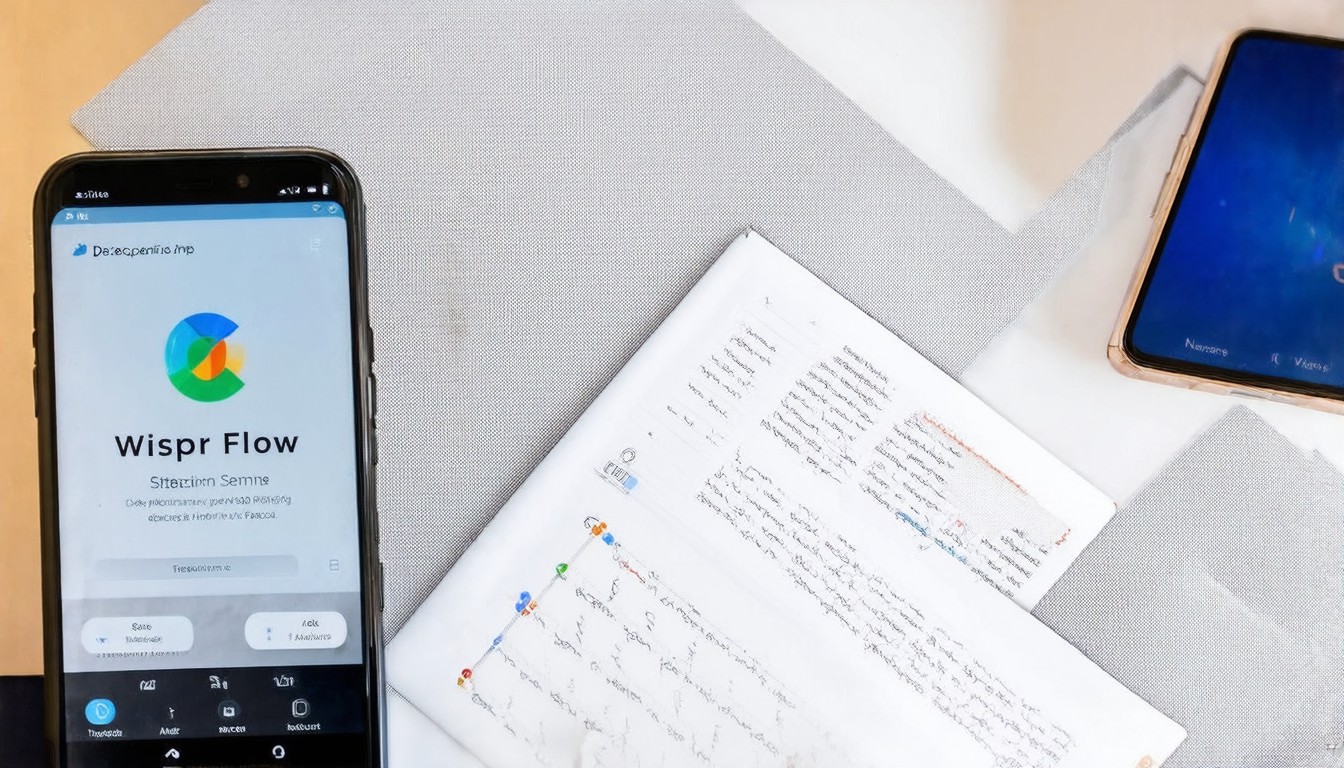
Google has quietly launched a new AI dictation app that operates offline, leveraging its Gemma AI models to challenge popular apps such as Wispr Flow. This move marks a significant shift in Google's strategy, emphasizing offline functionality and accessibility in an era where internet connectivity is increasingly expected for everyday applications.
The new app, which has not yet been officially announced, is designed to provide users with a seamless dictation experience even when they are not connected to the internet. Unlike many existing AI-powered dictation tools, which rely heavily on cloud-based processing, this app uses locally stored Gemma AI models to transcribe speech into text. This approach not only ensures functionality in areas with poor internet coverage but also enhances privacy and security by keeping data on the user's device.
Gemma AI, a project developed by Google, focuses on creating efficient and accurate natural language processing models. By integrating these models into the new dictation app, Google aims to offer a robust and reliable alternative to apps like Wispr Flow, which have gained popularity for their offline capabilities. The app's offline-first design is expected to appeal to professionals, students, and content creators who need to work on documents without relying on a stable internet connection.
One of the key advantages of the new app is its ability to handle a wide range of accents and speech patterns. The Gemma AI models are trained on diverse datasets, allowing them to accurately transcribe speech from different linguistic backgrounds. This feature is particularly important for global users who may encounter difficulties with apps that are optimized for specific languages or accents.
In addition to its offline capabilities, the app also includes features such as real-time grammar suggestions and contextual understanding, enabling users to produce polished content more efficiently. The interface is designed to be intuitive and user-friendly, with options to customize settings such as speech recognition speed and accent preferences.
Google's decision to prioritize offline functionality in its AI dictation app reflects a broader trend in the tech industry. With the increasing demand for connectivity-independent solutions, companies are investing heavily in offline-first technologies to ensure user experience remains consistent across different environments. This move by Google also highlights its commitment to innovation in AI and natural language processing, positioning it as a leader in the field.
While the app is not yet widely available, it has already generated interest among early adopters and tech enthusiasts. As Google continues to refine and expand its Gemma AI models, the dictation app is poised to become a formidable competitor in the offline productivity space. Its success will depend on how well it balances accuracy, speed, and user-friendliness, while also addressing potential challenges such as battery consumption and storage requirements.
In conclusion, Google's new offline-first dictation app, powered by Gemma AI, represents a strategic shift in the company's approach to AI-driven productivity tools. By focusing on offline functionality and global language support, the app aims to challenge existing players in the market and cater to the growing need for connectivity-independent solutions. As Google continues to develop and improve its AI models, the potential for this app to reshape the way people work with text on-the-go is significant.









