
Google DeepMind CEO Demis Hassabis on AI’s Next Breakthroughs, What Counts As AGI, And Google’s AI Glasses Bet
The leader of Google's AI program weighs in on the cutting edge of AI research, Google's plans to put the technology in its products, and the imperative of publishing AI-generated protein structures.
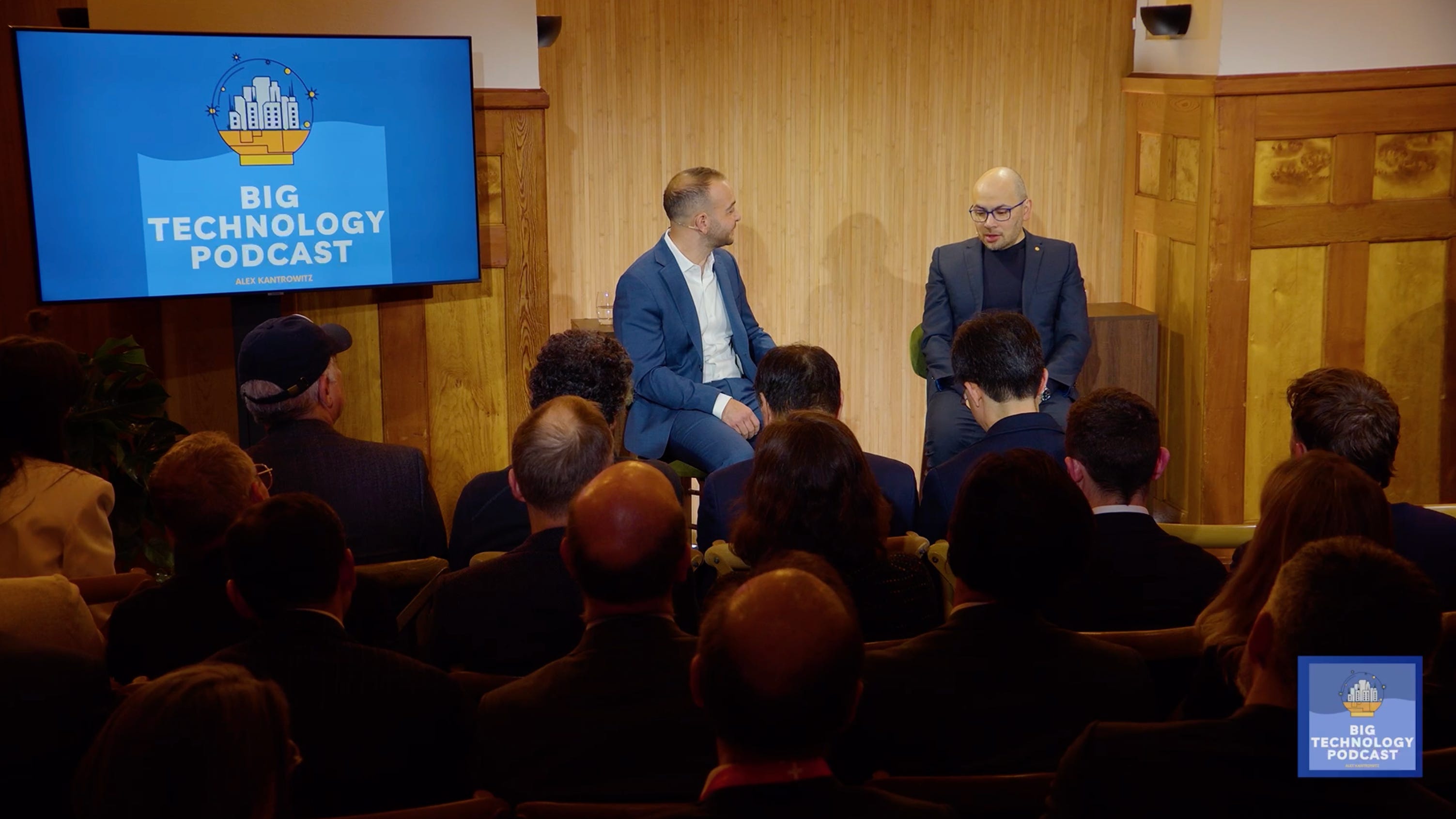
In a rapidly evolving field, the insights of Demis Hassabis, CEO of Google's DeepMind, offer a glimpse into the future of artificial intelligence (AI). During a live Big Technology Podcast recording at the World Economic Forum in Davos, Hassabis discussed the cutting edge of AI research, the challenges ahead, and Google's ambitious plans to integrate AI into its products, from smart glasses to AI coding tools.
Hassabis began by addressing the concerns that emerged a year ago about whether AI progress was slowing down. He noted that while some questioned the trajectory of AI development, the reality was that significant improvements were still being made. "We were never questioning that," Hassabis emphasized. "We were a bit puzzled by why there was this question in the air."
One of the key concerns was the potential depletion of data, which is crucial for AI training. Hassabis acknowledged that while there was some truth to this worry, the reality was that existing architectures and data could still yield substantial progress. "You can wring more juice out of the existing architectures and data," he explained. "There's plenty of room."
Hassabis also highlighted the importance of continuous learning, a problem that has not yet been fully solved. "Figuring out how to get AI to learn continuously is a problem that has not been cracked yet," he stated. To address this, researchers must focus on improving memory and finding more efficient ways to utilize the context window. These challenges will keep Hassabis and his team busy for the foreseeable future.
As AI continues to advance, the question of whether it has reached the threshold of artificial general intelligence (AGI) arises. Hassabis addressed this by emphasizing that the definition of AGI is still evolving. "What counts as AGI is something that we're still figuring out," he said. "We need to be careful not to set the bar too high or too low."
In addition to the technical challenges, Hassabis also discussed Google's plans to integrate AI into its products. One of the most intriguing projects is the development of AI glasses, which aim to enhance user experience through augmented reality and real-time translation. Hassabis explained that the goal is to create a seamless integration of AI into everyday devices, making it more accessible and beneficial for users.
Another area where Google is investing in AI is through coding tools. Hassabis envisioned a future where AI can assist developers in writing more efficient and effective code, streamlining the development process and accelerating innovation.
Hassabis also touched upon the importance of publishing AI-generated protein structures. He argued that this not only advances scientific research but also fosters collaboration and knowledge sharing among researchers. By making these structures publicly available, the scientific community can build on each other's work, leading to faster progress in fields such as drug discovery and biotechnology.
Throughout the conversation, Hassabis' perspective provided valuable insights into the current state of AI research and the challenges that lie ahead. His optimism about the field's potential, coupled with a clear understanding of the obstacles that must be overcome, offers a roadmap for the future of AI. As Hassabis and his team continue to push the boundaries of what is possible, the world of AI is poised for even greater breakthroughs.
In conclusion, Demis Hassabis' discussion on AI's next breakthroughs, the definition of AGI, and Google's ambitious product plans highlights the dynamic nature of the field. With continuous learning, improved memory, and efficient context utilization at the forefront of research, the future of AI looks promising. Google's integration of AI into products like smart glasses and coding tools, along with the publication of AI-generated protein structures, underscores the company's commitment to making AI more accessible and beneficial for users. As the field evolves, Hassabis' insights serve as a guide for navigating the complex landscape of AI and its potential to transform various aspects of our lives.









