
Google DeepMind CEO Demis Hassabis on AI’s Next Breakthroughs, What Counts As AGI, And Google’s AI Glasses Bet
The leader of Google's AI program weighs in on the cutting edge of AI research, Google's plans to put the technology in its products, and the imperative of publishing AI-generated protein structures.
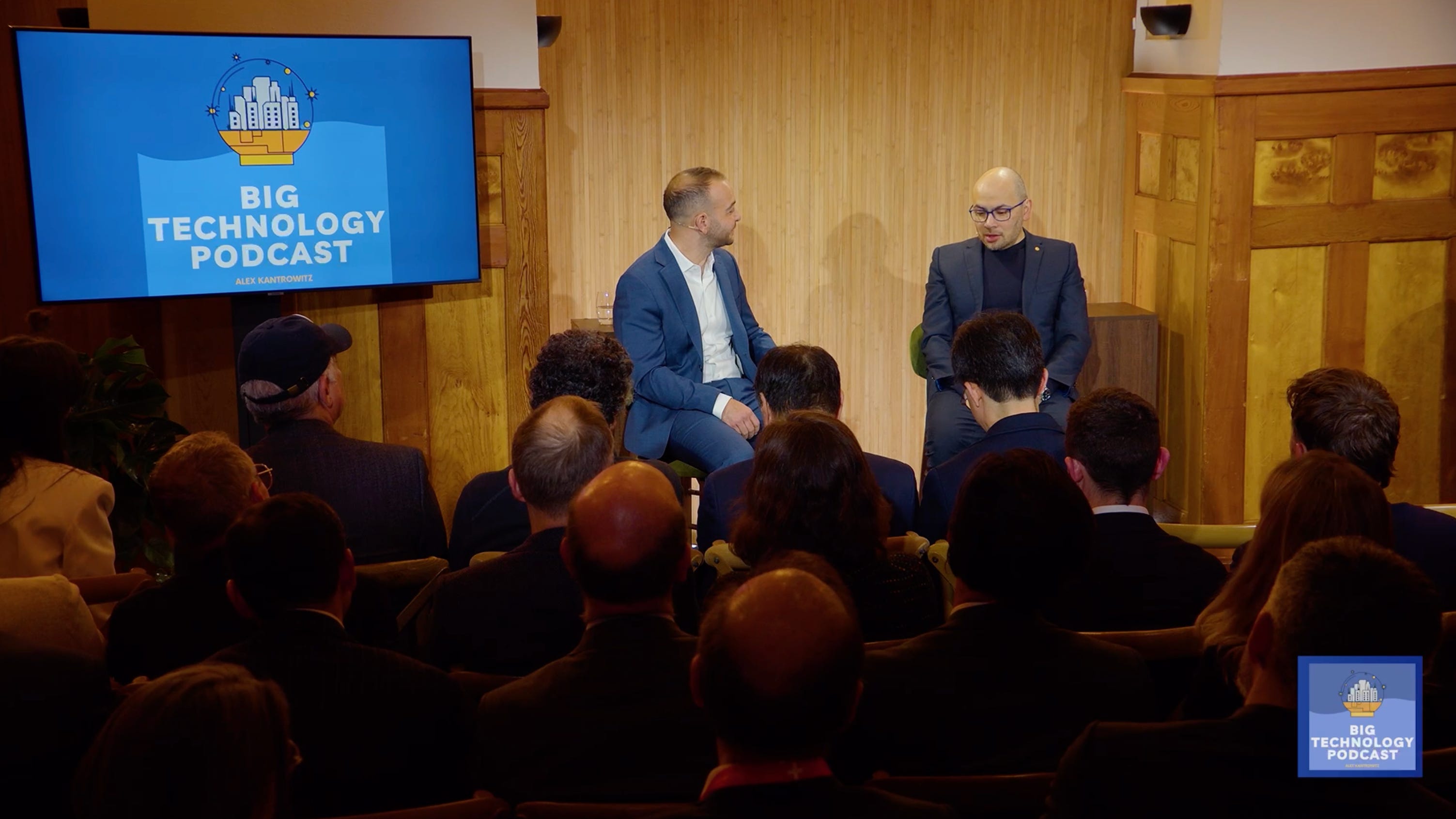
In a rapidly evolving field, the insights of Demis Hassabis, CEO of Google's DeepMind, offer a glimpse into the future of artificial intelligence (AI). Hassabis recently discussed the cutting edge of AI research, Google's plans to integrate AI into its products, and the importance of publishing AI-generated protein structures. His perspective, shaped by years of experience in the field, provides valuable insights into the challenges and opportunities facing AI today.
Hassabis began by addressing concerns about whether AI progress was slowing down. A year ago, some experts questioned whether the industry was stagnating, but Hassabis believes these worries have been alleviated. He emphasized that DeepMind never doubted the potential of AI advancements, pointing out that improvements have been consistent. The skepticism, he suggested, stemmed from concerns about data availability and the limitations of existing architectures.
One major concern was whether all useful data had been utilized. While it is true that data scarcity could pose a challenge, Hassabis noted that there is still "plenty of room" for progress. He explained that advancements can be achieved through better use of existing data, synthetic data generation, and refining AI architectures. This includes improvements in pre-training, post-training, and thinking paradigms, as well as how these components interact.
Continuous learning remains a significant challenge for AI researchers. Hassabis highlighted that this problem has not yet been fully solved. He explained that current AI systems struggle to learn continuously, a capability that would be crucial for real-world applications. Overcoming this hurdle will require innovative solutions, and Hassabis and his team are working on addressing it.
Another area of focus for DeepMind is enhancing memory capabilities in AI systems. Hassabis acknowledged that memory is a critical component for advanced AI, and improving it will be essential for achieving more sophisticated AI applications. He also mentioned the need for more efficient use of context windows, which are essential for understanding and processing information effectively.
Google's plans to integrate AI into its products were another topic of discussion. Hassabis revealed that the company has ambitious plans, ranging from smart glasses to AI coding tools. These innovations aim to enhance user experiences and streamline various aspects of technology. While the specifics of these projects are still evolving, Hassabis's comments suggest that Google is committed to leveraging AI to drive new products and services.
In addition to these technological advancements, Hassabis emphasized the importance of publishing AI-generated protein structures. This initiative highlights the potential of AI to contribute to scientific research and discovery. By generating protein structures, AI can accelerate the pace of scientific progress and aid in areas such as drug development and understanding biological processes.
Hassabis's insights into the future of AI are both encouraging and thought-provoking. While challenges remain, his optimism about the field's potential is evident. With continued research and innovation, AI has the potential to revolutionize various industries and improve countless aspects of daily life. As DeepMind and other leaders in the field push the boundaries of what is possible, the future of AI looks promising and full of exciting possibilities.









