
Google DeepMind CEO Demis Hassabis on AI’s Next Breakthroughs, What Counts As AGI, And Google’s AI Glasses Bet
The leader of Google's AI program weighs in on the cutting edge of AI research, Google's plans to put the technology in its products, and the imperative of publishing AI-generated protein structures.
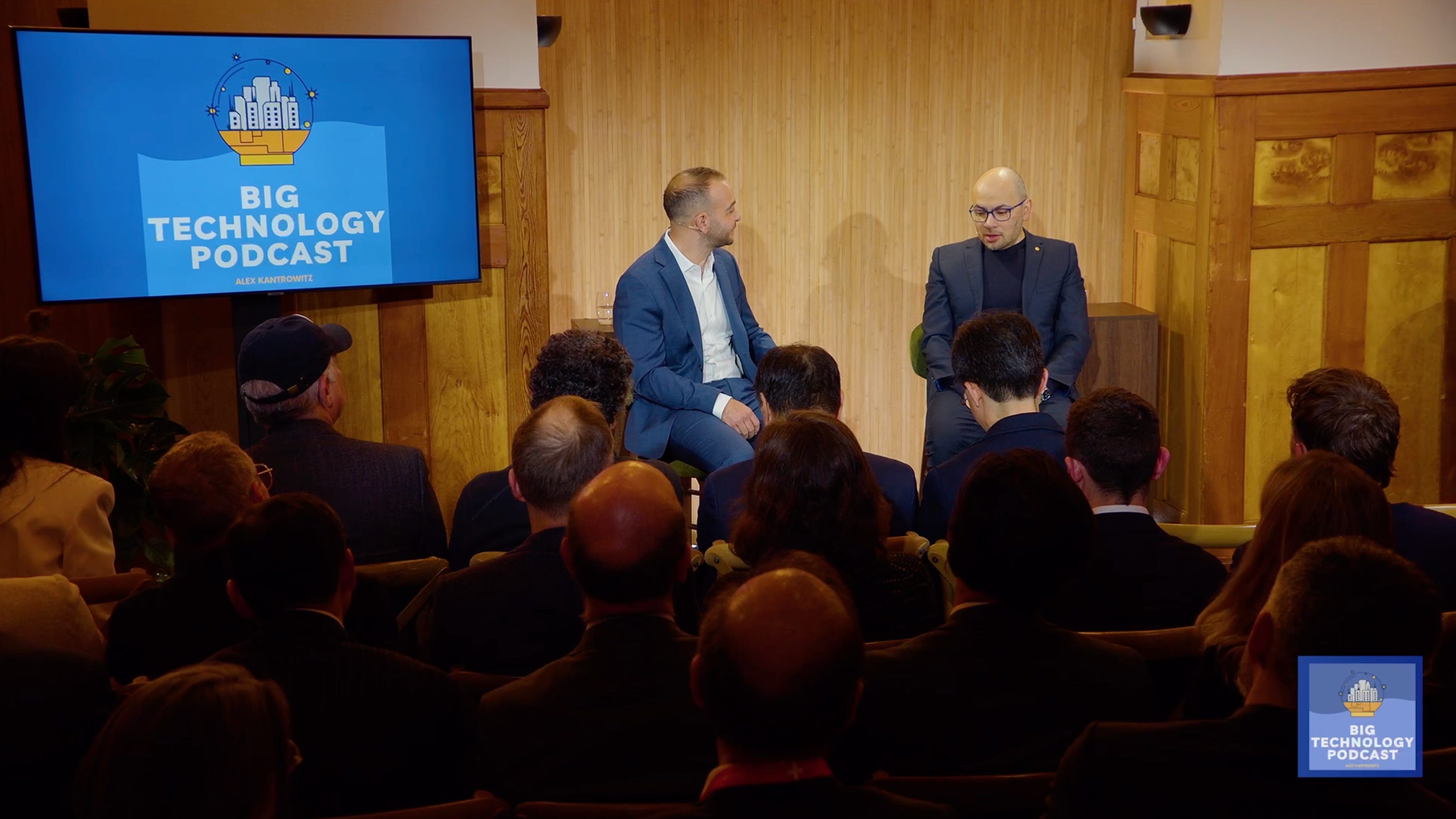
In a rapidly evolving field, the insights of Demis Hassabis, CEO of Google's DeepMind, offer a glimpse into the future of artificial intelligence (AI). During a live Big Technology Podcast recording at the World Economic Forum in Davos, Hassabis discussed the cutting edge of AI research, the challenges ahead, and Google's ambitious plans to integrate AI into its products, from smart glasses to AI coding tools.
Hassabis began by addressing the concerns that emerged a year ago about whether AI progress was slowing down. He noted that while some questioned the trajectory of AI advancements, the reality was that significant improvements were still being made. "We were never questioning that," Hassabis emphasized. "We were a bit puzzled by why there was this question in the air."
One of the key concerns was the potential depletion of data, which is crucial for AI training. Hassabis acknowledged that while there was some truth to this worry, it turned out that existing architectures and data could still yield substantial progress. "You can wring more juice out of the existing architectures and data," he explained. "There's plenty of room."
Hassabis also highlighted the importance of continuous learning, a problem that has not yet been fully solved. "Figuring out how to get AI to learn continuously is a problem that has not been cracked yet," he stated. To address this, researchers are working on improving memory capabilities and finding more efficient ways to utilize the context window. These challenges will undoubtedly keep Hassabis and his team busy for some time.
As AI continues to advance, the question of what constitutes artificial general intelligence (AGI) remains a topic of debate. Hassabis provided some insight into this matter, suggesting that the definition of AGI is still evolving. He explained that the goal is to create AI systems that can perform a wide range of tasks and adapt to new situations, much like humans. However, achieving this level of versatility and adaptability is a significant challenge that requires substantial research and development.
In addition to the technical aspects of AI, Hassabis also touched on Google's product plans, which include integrating AI into various consumer products. One of the most intriguing examples is Google's smart glasses, which aim to enhance user experience through augmented reality and AI-driven features. Hassabis emphasized that these products are not just about the technology itself, but also about how they can improve people's lives and facilitate new ways of interacting with the world.
Another area where AI is making strides is in the field of protein structure prediction. Hassabis underscored the importance of publishing AI-generated protein structures, as this can accelerate scientific discoveries and advancements in areas such as drug development and biotechnology. By sharing these findings openly, the AI research community can collaborate more effectively and drive innovation at a faster pace.
Throughout the conversation, Hassabis' perspective provided a clear and compelling vision of the future of AI. He reiterated that while there are still significant challenges to overcome, the potential benefits of AI are immense. As researchers continue to push the boundaries of what is possible, the world of AI is poised for even more groundbreaking breakthroughs.
In conclusion, Demis Hassabis' insights into the future of AI offer a roadmap for the challenges ahead and the exciting possibilities that lie within. From continuous learning and the definition of AGI to Google's innovative product plans and the impact of AI on scientific research, the field of AI is in a state of constant evolution. As Hassabis and his team at DeepMind continue to pioneer new advancements, the world of AI is set to witness even more transformative developments in the years to come.









