
Google DeepMind CEO Demis Hassabis on AI’s Next Breakthroughs, What Counts As AGI, And Google’s AI Glasses Bet
The leader of Google's AI program weighs in on the cutting edge of AI research, Google's plans to put the technology in its products, and the imperative of publishing AI-generated protein structures.
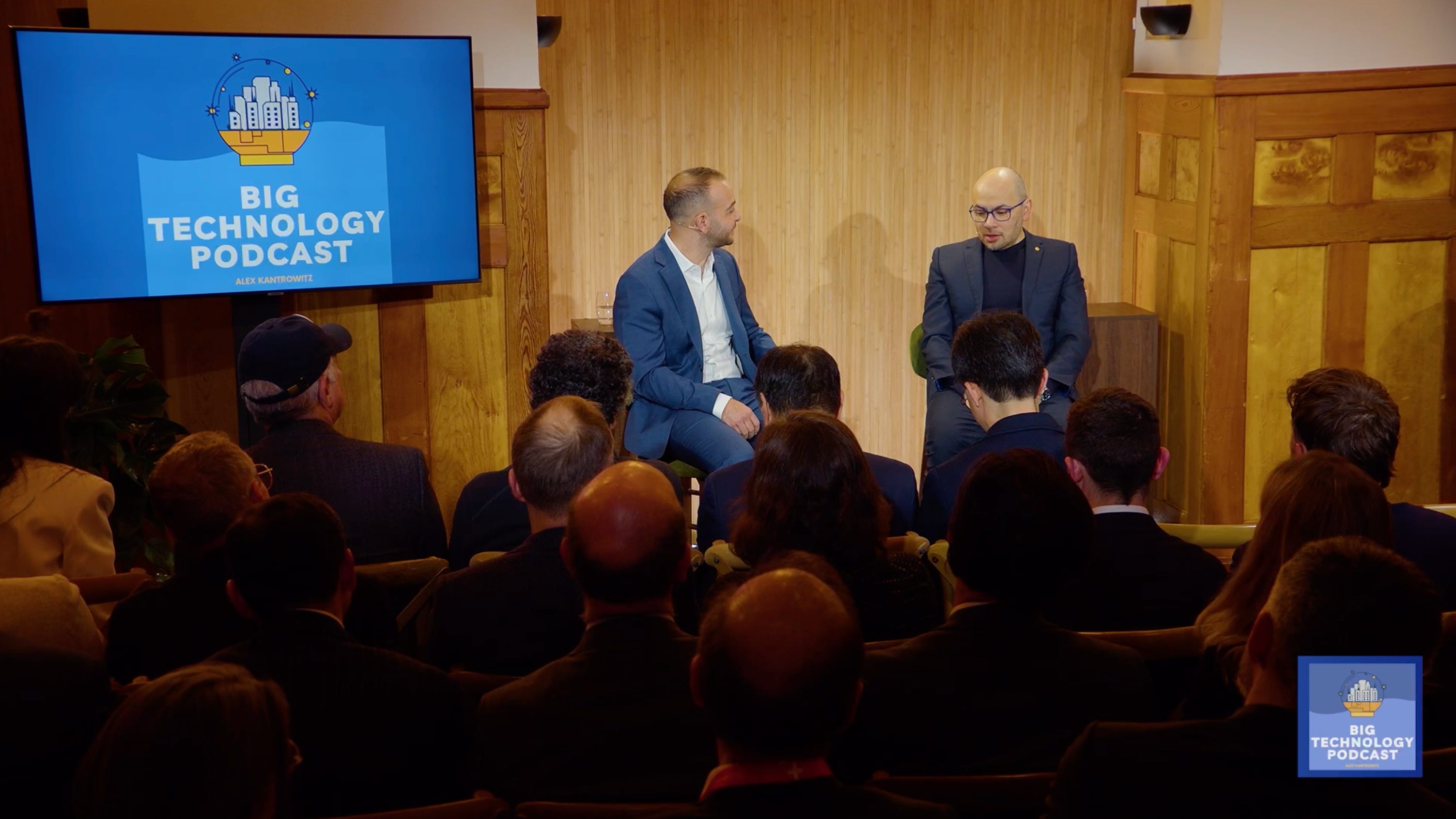
In a rapidly evolving field, the insights of Demis Hassabis, CEO of Google's DeepMind, offer a glimpse into the future of artificial intelligence (AI). During a live Big Technology Podcast recording at the World Economic Forum in Davos, Hassabis discussed the cutting edge of AI research, the challenges ahead, and Google's ambitious plans to integrate AI into its products. He also addressed the importance of publishing AI-generated protein structures and the quest for artificial general intelligence (AGI).
Hassabis began by addressing concerns about AI progress stagnating. A year ago, there were whispers of a slowdown, but he dismissed these worries as unfounded. "We were never questioning that," he said. "We've always seen great improvements." The skepticism, he suggested, stemmed from worries about data scarcity and the limitations of existing architectures. However, he emphasized that there is still "plenty of room" for advancement, pointing to improvements in pre-training, post-training, and thinking paradigms.
One of the key challenges facing AI researchers is continuous learning. Hassabis noted that this problem "has not been cracked yet." He explained that current models struggle to learn continuously without significant retraining, a limitation that hampers their ability to adapt to new information over time. DeepMind's research is focused on overcoming this hurdle, as well as enhancing memory capabilities and expanding the context window for more efficient information processing.
As AI continues to advance, the question of when to declare the emergence of AGI remains unanswered. Hassabis believes that AGI is not just about surpassing human intelligence in specific tasks but about achieving a level of intelligence that can be applied across a wide range of domains. He cautioned against premature declarations, emphasizing that the field must first establish clear benchmarks and criteria for measuring AGI.
Google's ambitious plans to integrate AI into its products were another focal point of the conversation. Hassabis revealed that the company is exploring a variety of applications, from smart glasses to AI coding tools. These innovations aim to enhance user experiences and streamline processes across industries. While specific details about the glasses and coding tools were not disclosed, Hassabis hinted at their potential to revolutionize how people interact with technology and solve complex problems.
In addition to product development, Hassabis highlighted the importance of publishing AI-generated protein structures. He argued that sharing such data can accelerate scientific discoveries and drive further advancements in AI. By making these structures publicly available, researchers can leverage AI's capabilities to identify new drug candidates and advance our understanding of biological systems.
Throughout the conversation, Hassabis' perspective underscored the immense potential of AI while acknowledging the substantial work required to achieve breakthroughs. He reiterated that AI is not a fixed entity but an ever-evolving field, with new challenges and opportunities emerging constantly. As DeepMind and other leaders in the AI community continue to push the boundaries of what is possible, the future of artificial intelligence promises to be both exciting and transformative.
In conclusion, Demis Hassabis' insights into AI's next breakthroughs, the definition of AGI, and Google's ambitious product plans offer a roadmap for the field's trajectory. While challenges such as continuous learning and establishing clear benchmarks for AGI persist, the pace of innovation and the potential applications of AI are undeniable. As Google and other organizations invest in integrating AI into everyday products and advancing scientific research, the future of artificial intelligence appears to be one of continuous progress and discovery.









