
Google DeepMind CEO Demis Hassabis on AI’s Next Breakthroughs, What Counts As AGI, And Google’s AI Glasses Bet
The leader of Google's AI program weighs in on the cutting edge of AI research, Google's plans to put the technology in its products, and the imperative of publishing AI-generated protein structures.
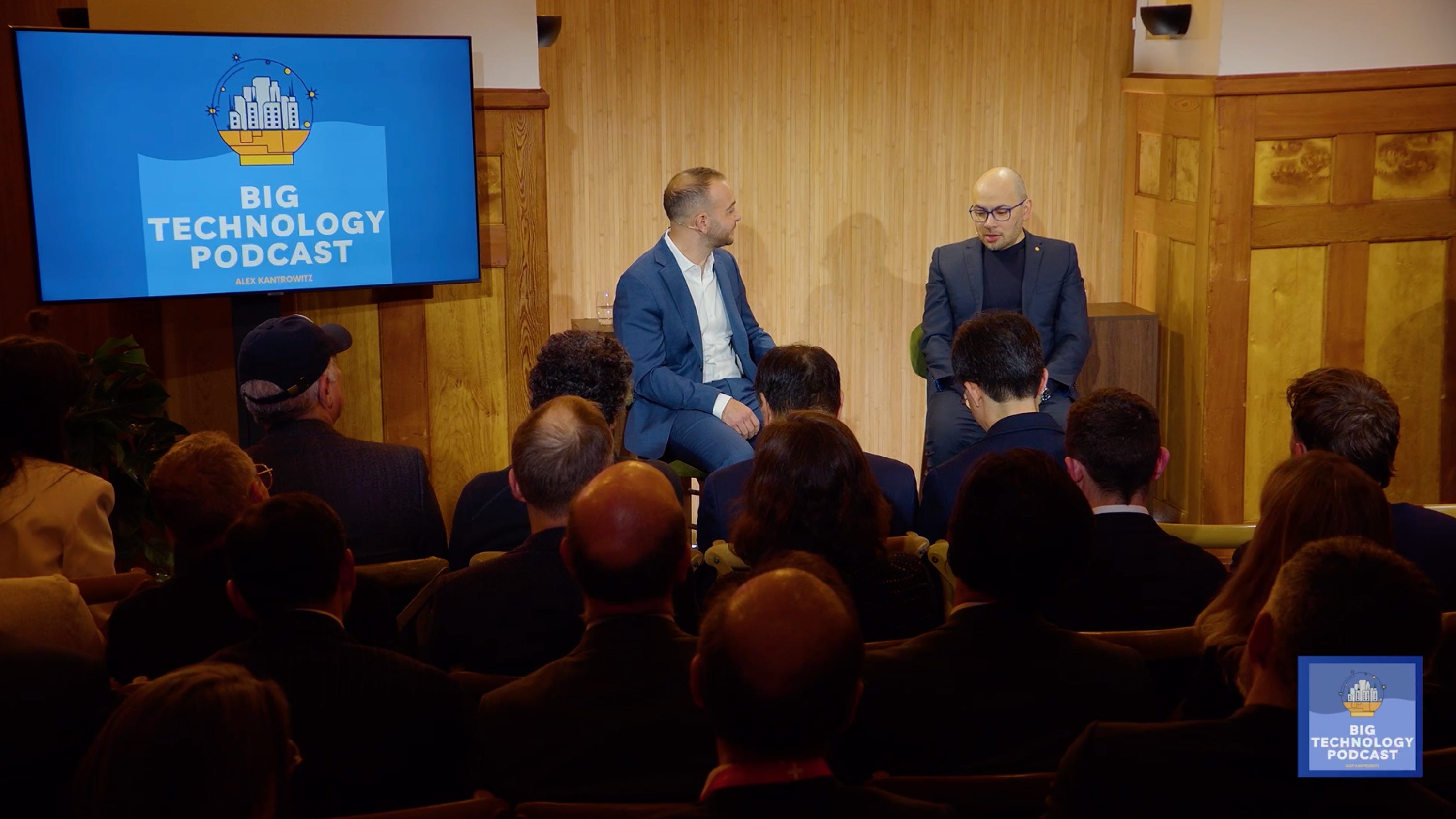
In a rapidly evolving field, the insights of Demis Hassabis, CEO of Google's DeepMind, offer a glimpse into the future of artificial intelligence (AI). During a live Big Technology Podcast recording at the World Economic Forum in Davos, Hassabis discussed the cutting edge of AI research, the challenges ahead, and Google's ambitious plans to integrate AI into its products. He also addressed the importance of publishing AI-generated protein structures and provided a candid look at the trajectory of AI development.
Hassabis began by addressing concerns about whether AI progress was slowing down. A year ago, there were indeed questions about the pace of AI advancements, but Hassabis clarified that such doubts were misplaced. He emphasized that DeepMind had always been optimistic about the field's potential, attributing the initial skepticism to worries about data scarcity. While concerns about data depletion were valid, Hassabis pointed out that existing architectures and data could still yield significant improvements. He highlighted that advancements were not limited to pre-training or post-training phases but also extended to the way these paradigms interconnected. This, he argued, ensured that there was still ample room for growth.
One of the key challenges facing AI researchers, according to Hassabis, is enabling continuous learning. He noted that this problem had not yet been fully solved, and it remained a significant hurdle for the field. To tackle this, Hassabis and his team were focusing on improving memory capabilities and optimizing the use of context windows. These efforts aimed to enhance the efficiency and effectiveness of AI systems, paving the way for more sophisticated applications.
As AI continues to advance, the question of when to declare artificial general intelligence (AGI) arises. Hassabis provided a nuanced perspective on this matter, stressing that the definition of AGI is still evolving. He argued that the field was not yet at a point where it could confidently declare the achievement of AGI. Instead, Hassabis suggested that the focus should be on incremental progress and building systems that could adapt and learn in diverse environments.
In addition to research, Hassabis also discussed Google's plans to integrate AI into its products. He outlined a range of initiatives, from smart glasses to AI coding tools, highlighting the company's commitment to bringing AI to everyday life. These products aimed to leverage the power of AI to enhance user experiences and streamline tasks. Hassabis's vision for Google's AI offerings was clear: to make AI more accessible and practical for a broader audience.
Another critical aspect of Hassabis's discussion was the importance of publishing AI-generated protein structures. He underscored the value of sharing such data, as it could accelerate research in fields like drug discovery and biotechnology. By making these structures publicly available, the AI community could foster collaboration and drive innovation, ultimately benefiting society as a whole.
Throughout the conversation, Hassabis's perspective offered a balanced view of the AI landscape. He acknowledged the challenges ahead while remaining optimistic about the potential of the field. His insights provided a roadmap for future research and development, emphasizing the need for continuous learning, improved memory, and efficient context utilization. As Google and other organizations continue to invest in AI, Hassabis's vision for integrating AI into everyday products and accelerating scientific discovery serves as a guiding light for the industry.
In conclusion, Demis Hassabis's candid discussion on AI's next breakthroughs, the definition of AGI, and Google's ambitious product plans offer a window into the future of artificial intelligence. With a focus on continuous learning, memory enhancement, and context optimization, Hassabis and his team are poised to make significant strides in the field. As AI evolves, the integration of these technologies into everyday products and the sharing of AI-generated protein structures will play crucial roles in shaping the trajectory of AI research and development. Hassabis's insights underscore the importance of perseverance, collaboration, and innovation in unlocking the full potential of artificial intelligence.









