
Good News This Week: How Solar Power, Bamboo Work & Farming Are Bringing New Income in the New Year
In many parts of the country, the day often begins with small calculations. When will the electricity come? How many hours can the work run? Will today bring enough to cover what the week demands? These questions shape routines in ways that are rarely spoken about, yet deeply understood. Across homes, farms, and workshops, some of these answers are beginning to change. Sustainability is entering daily life in practical ways, helping work continue, incomes grow, and plans stretch a little further. Here are four stories where that change is unfolding in everyday life. ‘After Installing the Solar Panels, I Don’t Worry About Long Power Cuts Anymore’: How 2 Rural Women Took Control of Their Income In rural Uttar Pradesh, solar energy is helping women entrepreneurs build more dependable livelihoods. Suman, who runs a banking outlet, now works longer hours and serves more villages with reliable power. “After installing the solar panels, I don’t worry about long power cuts anymore,” she says. Aarti Singh, who runs an RO plant, now manages timely deliveries and stronger savings. With solar, both women are running their enterprises with greater ease and clarity. Read how this change is playing out on the ground. How Two Friends Built a Rs 1.45 Cr Bamboo Brand With Local Artists In Rajasthan, Bamboo Anna is turning bamboo into everyday essentials while creating meaningful work for artisans. Founded by Anil Chauhan and Sawan Vaishnav, the venture has grown into a Rs 1.45 crore business supporting over 70 artisans. Beyond the
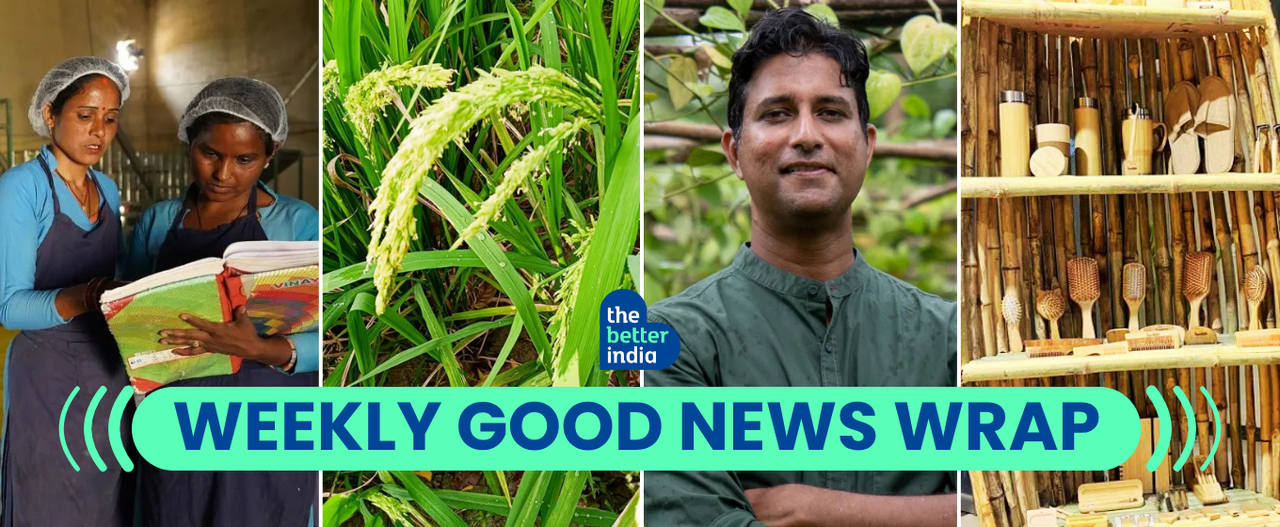
In many parts of the country, the day often begins with small calculations. When will the electricity come? How many hours can the work run? Will today bring enough to cover what the week demands? These questions shape routines in ways that are rarely spoken about, yet deeply understood. Across homes, farms, and workshops, some of these answers are beginning to change. Sustainability is entering daily life in practical ways, helping work continue, incomes grow, and plans stretch a little further. Here are four stories where that change is unfolding in everyday life.
"After Installing the Solar Panels, I Don't Worry About Long Power Cuts Anymore": How 2 Rural Women Took Control of Their Income
In rural Uttar Pradesh, solar energy is helping women entrepreneurs build more dependable livelihoods. Suman, who runs a banking outlet, now works longer hours and serves more villages with reliable power. "After installing the solar panels, I don't worry about long power cuts anymore," she says. Aarti Singh, who runs an RO plant, now manages timely deliveries and stronger savings. With solar, both women are running their enterprises with greater ease and clarity.
Suman's banking outlet, once dependent on erratic electricity supply, now operates smoothly. The solar panels provide a consistent source of power, allowing her to stay open longer and serve more customers. This has not only increased her income but also enhanced her ability to provide financial services to a wider area. Her clients, who previously faced difficulties due to power outages, now appreciate the reliability of her services.
Aarti Singh's experience is similar. Her RO plant, which provides water purification services, now operates without interruptions. The solar setup has enabled her to maintain a steady supply of purified water, ensuring timely deliveries to her clients. This has not only boosted her business but also improved her savings, as she no longer has to worry about the unpredictable costs of running her plant during power outages.
These women's success stories highlight how solar energy can empower individuals, particularly women, to take control of their livelihoods. By reducing dependency on unreliable electricity, they can invest more time and resources into their businesses, leading to increased income and stability.
How Two Friends Built a Rs 1.45 Cr Bamboo Brand With Local Artists
In Rajasthan, Bamboo Anna is turning bamboo into everyday essentials while creating meaningful work for artisans. Founded by Anil Chauhan and Sawan Vaishnav, the venture has grown into a Rs 1.45 crore business supporting over 70 artisans. Beyond the numbers, the impact is personal. "Now I am able to manage my home and my necessities," shares one artisan. The work brings income, continuity, and pride in craft.
Anil and Sawan's journey began with a simple idea: to harness the potential of bamboo, a versatile and sustainable resource, to create products that would benefit both the environment and local communities. They collaborated with local artisans to design and produce bamboo items such as mats, baskets, and utensils.
Their venture has been a resounding success. Bamboo Anna's products have gained popularity across the country, with demand driving the need for more artisans. The business has created a network of skilled workers, many of whom are women from rural areas. These artisans are not only earning a living but also preserving traditional craftsmanship.
The personal impact of this initiative is profound. Artisans like the one quoted above have reported improved financial stability and greater control over their lives. The work has also instilled a sense of pride in their craft, as they see their products being used by people across the nation.
In a Goan Village, a Microbiologist-Turned-Entrepreneur Built a Zero-Waste Coconut Brand That Sustains Farmers
On a farm in Mulgao, Goa, Rohan Nazareth is building a coconut brand that is revolutionizing the way farmers approach sustainability. A microbiologist by training, Rohan turned his passion for sustainability into a business venture that supports local farmers and minimizes waste.
Rohan's coconut brand, CocoNature, focuses on creating products from every part of the coconut tree. From coconut water to coir (the fiber obtained from the husk), every component is utilized to its full potential. This approach not only reduces waste but also ensures that farmers have a steady income from all parts of their trees.
CocoNature's products are sold across the country, with a growing focus on eco-conscious consumers. The brand's success has encouraged other farmers to adopt similar practices, leading to a broader shift towards sustainable farming in the region.
Rohan's journey is a testament to how innovation and sustainability can drive economic growth. By transforming waste into valuable products, he has not only supported farmers but also educated consumers about the importance of sustainable practices.
In Conclusion
These stories from across the country illustrate how sustainability is becoming an integral part of everyday life. From solar energy empowering rural women to bamboo artisans thriving in Rajasthan, these initiatives are transforming livelihoods and fostering economic stability.
The impact of these changes extends beyond individual success stories. As more people adopt sustainable practices, the broader economy benefits from increased productivity, reduced waste, and a more resilient workforce. These are the kinds of changes that can pave the way for a more sustainable and prosperous future.
As the new year unfolds, these examples serve as a reminder of the power of innovation and collaboration in addressing everyday challenges. By harnessing natural resources and traditional craftsmanship, individuals and communities are finding new ways to thrive in an ever-changing world.









