Gold At ₹1.5L Per 10g, Devotees At All-Time High: How Siddhivinayak Earned Record ₹182 Cr In FY26
The trust hasn't released a segment-wise revenue breakdown — but with gold at historic highs, precious metal offerings and auctions are hard to overlook as a key driver.
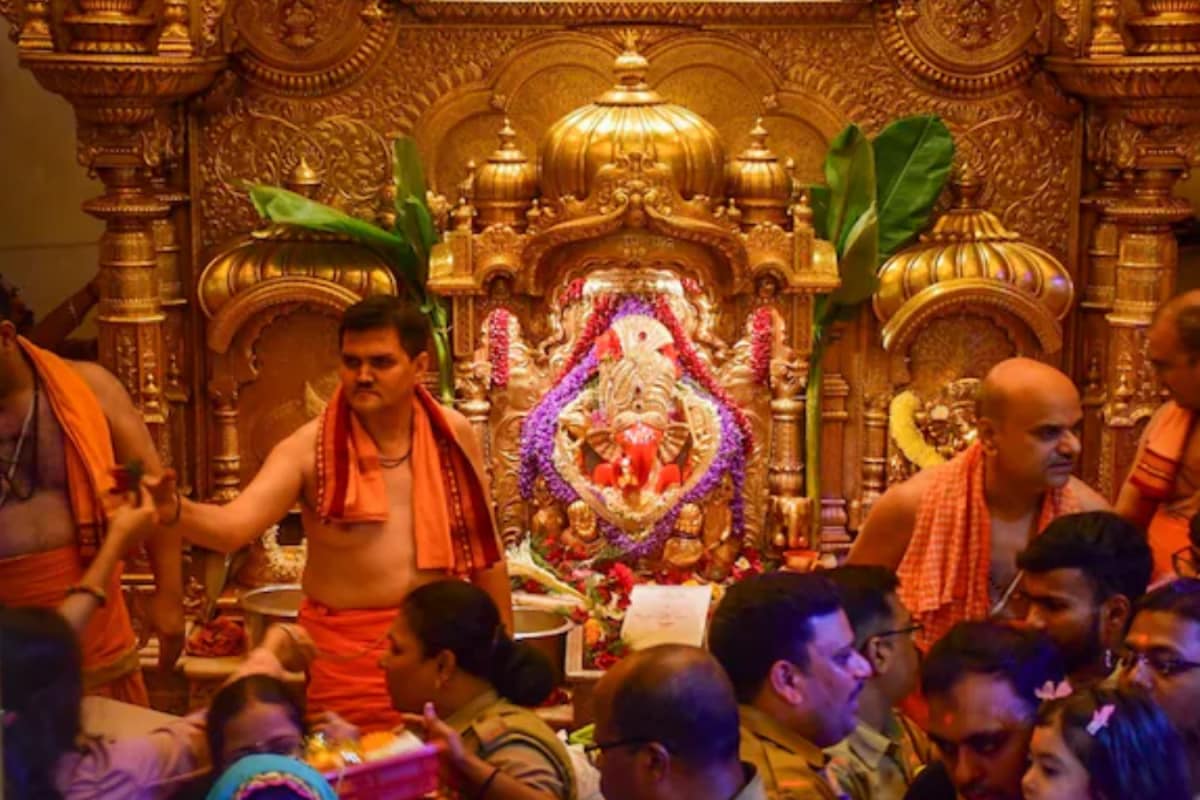
In the heart of Mumbai, the Siddhivinayak Temple, one of the most revered religious institutions in India, has witnessed an unprecedented surge in its annual revenue. In the fiscal year ending March 2026, the temple trust reported a record income of ₹182 crore, a significant increase from previous years. While the exact breakdown of revenues remains unpublished, the trust's management has attributed this growth to a combination of factors, including the historic rise in the price of gold and the increasing number of devotees visiting the temple.
The Siddhivinayak Temple, dedicated to Lord Ganesha, has long been a spiritual and cultural landmark in Mumbai. Its significance extends beyond the city, with millions of devotees from across India and the world flocking to the temple each year. The temple's popularity has been further bolstered by the recent spike in gold prices, which has made the temple's offerings of gold and precious metals more attractive to visitors.
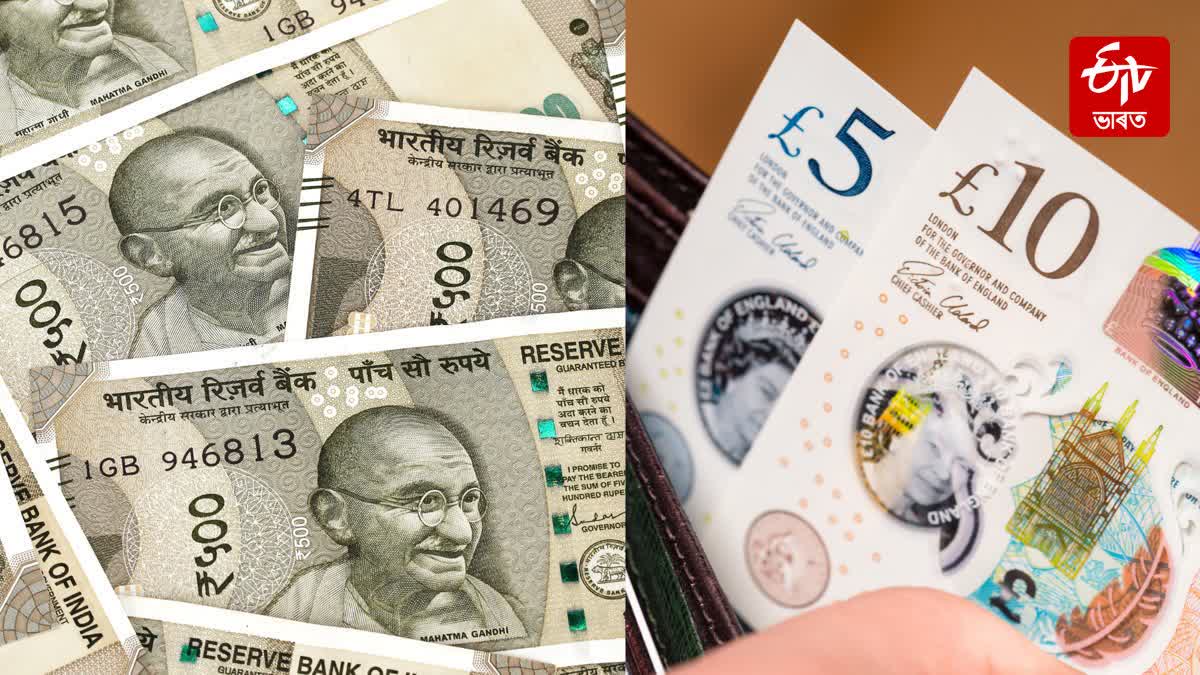
Gold, traditionally considered a symbol of wealth and prosperity in Indian culture, has seen a dramatic increase in value over the past few years. In the fiscal year 2026, the price of gold reached an all-time high of ₹1.5 lakh per 10 grams. This surge in gold prices has had a direct impact on the temple's revenue, as devotees have been more inclined to purchase gold articles and offerings. The temple's auctions of gold and precious metals have also become highly competitive, attracting bidders willing to pay premium prices for these coveted items.
In addition to the rise in gold prices, the temple's record revenue can also be attributed to the increasing number of devotees. The Siddhivinayak Temple has always been a popular pilgrimage site, but the recent influx of visitors has been particularly notable. This surge in devotees can be attributed to several factors, including the temple's cultural and historical significance, as well as its role as a symbol of hope and resilience during challenging times.
The temple's management has also implemented several initiatives to enhance the visitor experience, contributing to the increase in footfall. These include the introduction of digital services such as online darshan bookings and e-tickets, as well as improvements to the temple's infrastructure and facilities. These measures have made it easier for devotees to visit the temple and participate in its various rituals and offerings.
The temple's revenue is generated from a variety of sources, including offerings, donations, and commercial activities. While the trust has not disclosed a segment-wise revenue breakdown, it is evident that the gold-related offerings and auctions have played a significant role in the record income. The temple's management has stated that a significant portion of the revenue is reinvested back into the temple's maintenance and upkeep, as well as charitable activities.
The temple's record revenue also highlights the importance of gold in Indian culture and its role in religious offerings. Gold is often seen as a means of expressing devotion and seeking the blessings of the deity. The temple's offerings of gold and precious metals cater to this cultural practice, allowing devotees to make offerings that are both spiritually significant and financially substantial.
In conclusion, the Siddhivinayak Temple's record revenue of ₹182 crore in the fiscal year 2026 can be attributed to a combination of factors, including the historic rise in gold prices and the increasing number of devotees. The temple's management has successfully leveraged these trends to enhance its revenue and continue its role as a spiritual and cultural landmark in India. As the temple continues to attract devotees and manage its resources effectively, it remains a symbol of the enduring appeal of Indian culture and tradition.