Gold and silver prices plunge: Why has safe-haven demand faded amid Iran war?
Gold prices have fallen nearly 25% from their record highs, even as the Iran war continues to weigh on the global economy. Why have investors turned away from the traditional safe-haven asset?
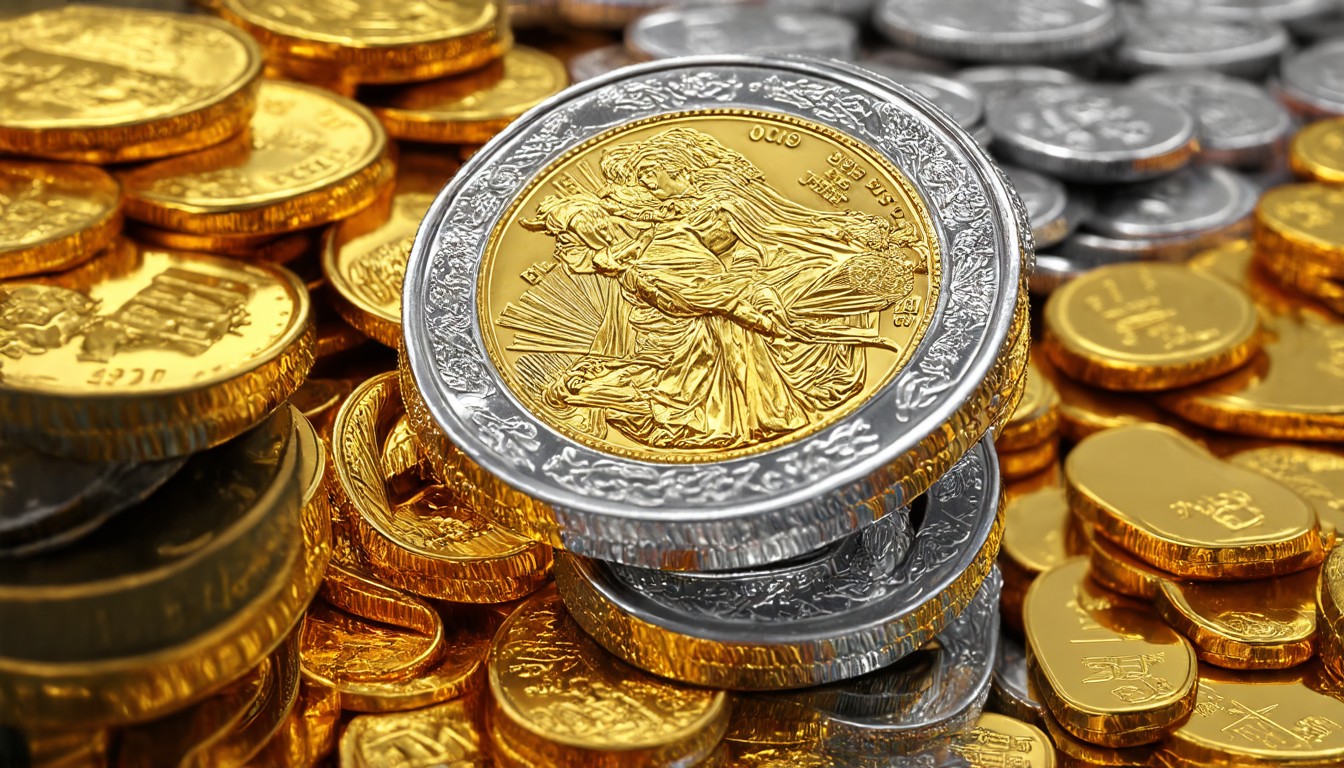
Gold and silver prices have plunged in recent weeks, dropping nearly 25% from their historic highs, despite the ongoing tensions in the Iran war. This sharp decline raises questions about the role of these traditional safe-haven assets in times of economic uncertainty. Investors, who typically flock to gold and silver during periods of geopolitical instability, have shown a marked lack of interest in these metals, leading to a significant drop in their prices.
One key factor contributing to this shift in investor sentiment is the evolving nature of global economic conditions. While the Iran war has undeniably created significant geopolitical risks, particularly in the energy markets, the broader economic landscape has seen a gradual improvement. Central banks around the world have signaled a shift in their monetary policies, with some indicating a potential easing of interest rates to stimulate economic growth. This pivot from hawkish to more accommodative policies has encouraged investors to take on greater risks, as they perceive a lower likelihood of a severe recession.
Moreover, the initial shock of the Iran war has begun to subside, allowing markets to assess the potential impact of the conflict more objectively. While the disruption of oil supplies from the region remains a concern, the global economy has shown resilience in the face of similar crises in the past. This has led some investors to believe that the long-term effects of the Iran war may not be as severe as initially feared, reducing the perceived need for a safe-haven asset.
Another factor influencing the decline in safe-haven demand is the diversification of investment strategies. Investors are increasingly turning to alternative assets, such as equities, real estate, and technology stocks, in search of higher returns. The tech sector, in particular, has experienced significant growth, with companies like Apple and Amazon driving market optimism. This shift away from traditional safe-haven assets towards more growth-oriented investments has contributed to the reduced demand for gold and silver.
Furthermore, the role of cryptocurrencies, such as Bitcoin, as a safe-haven asset cannot be overlooked. While Bitcoin has faced criticism for its environmental impact and volatility, many investors view it as a potential alternative to gold during times of economic uncertainty. The rise of cryptocurrencies has created a new avenue for investors to hedge against market risks, further diminishing the appeal of traditional safe-haven assets.
In addition to these factors, the performance of other safe-haven assets, such as the US dollar, has also played a role in the decline of gold and silver prices. The dollar has experienced some strength in recent months, partly due to geopolitical tensions and concerns about inflation. This strength has made the dollar more attractive to investors seeking to protect their wealth, further reducing the demand for gold and silver as alternative safe-haven options.
Despite the current downturn, it is important to note that gold and silver have historically served as reliable stores of value during periods of economic turbulence. However, the recent shift in investor sentiment highlights the dynamic nature of financial markets and the evolving priorities of investors. As global economic conditions continue to evolve, it remains to be seen whether gold and silver will regain their status as preferred safe-haven assets or if investors will continue to favor other investment opportunities.
In conclusion, the plunge in gold and silver prices amid the Iran war can be attributed to a combination of factors, including improved global economic conditions, a shift in monetary policies, the subduing of initial shock, diversification of investment strategies, the rise of cryptocurrencies, and the relative strength of the US dollar. While these metals have traditionally been seen as reliable safe-havens, the current market dynamics suggest that investors are increasingly turning to alternative assets for protection and growth. As the Iran war and other geopolitical tensions continue to shape the global economy, the role of gold and silver as safe-haven assets will remain a subject of keen interest and speculation.