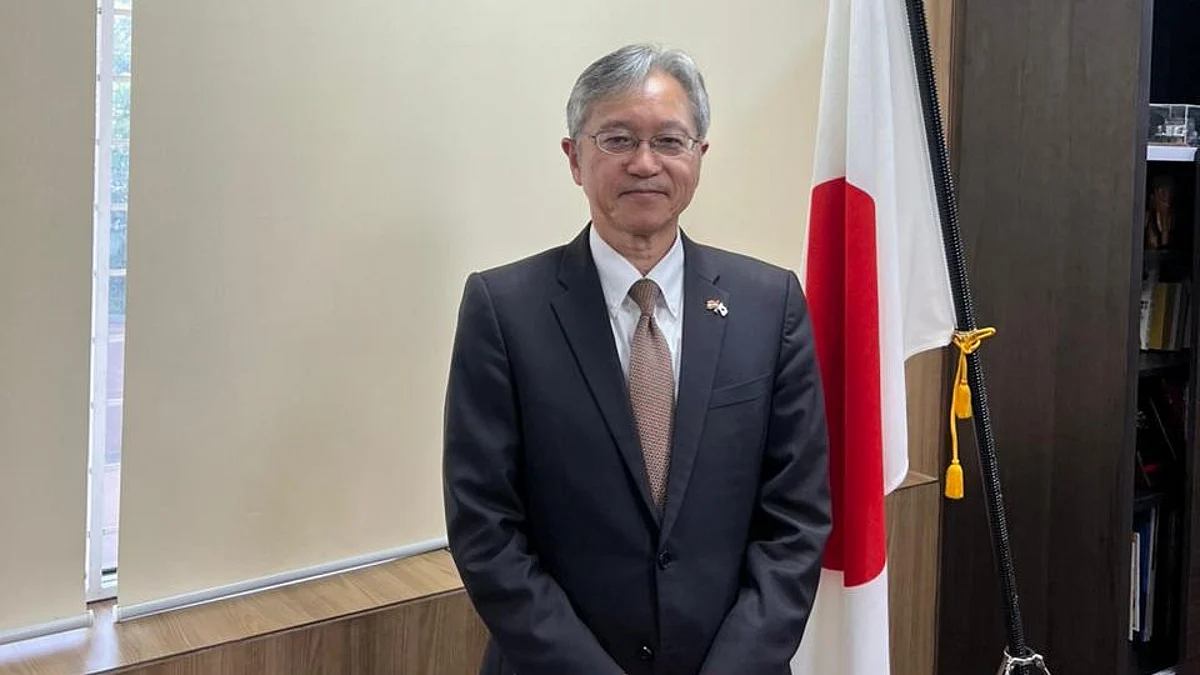
God of War Laufey Director on Fan Skepticism
Following the highly anticipated reveal of God of War Laufey at PlayStation's State of Play, director Ariel Lawrence has acknowledged the mixed fan reactions, expressing understanding for initial skepticism while earnestly hoping players will give the ambitiou
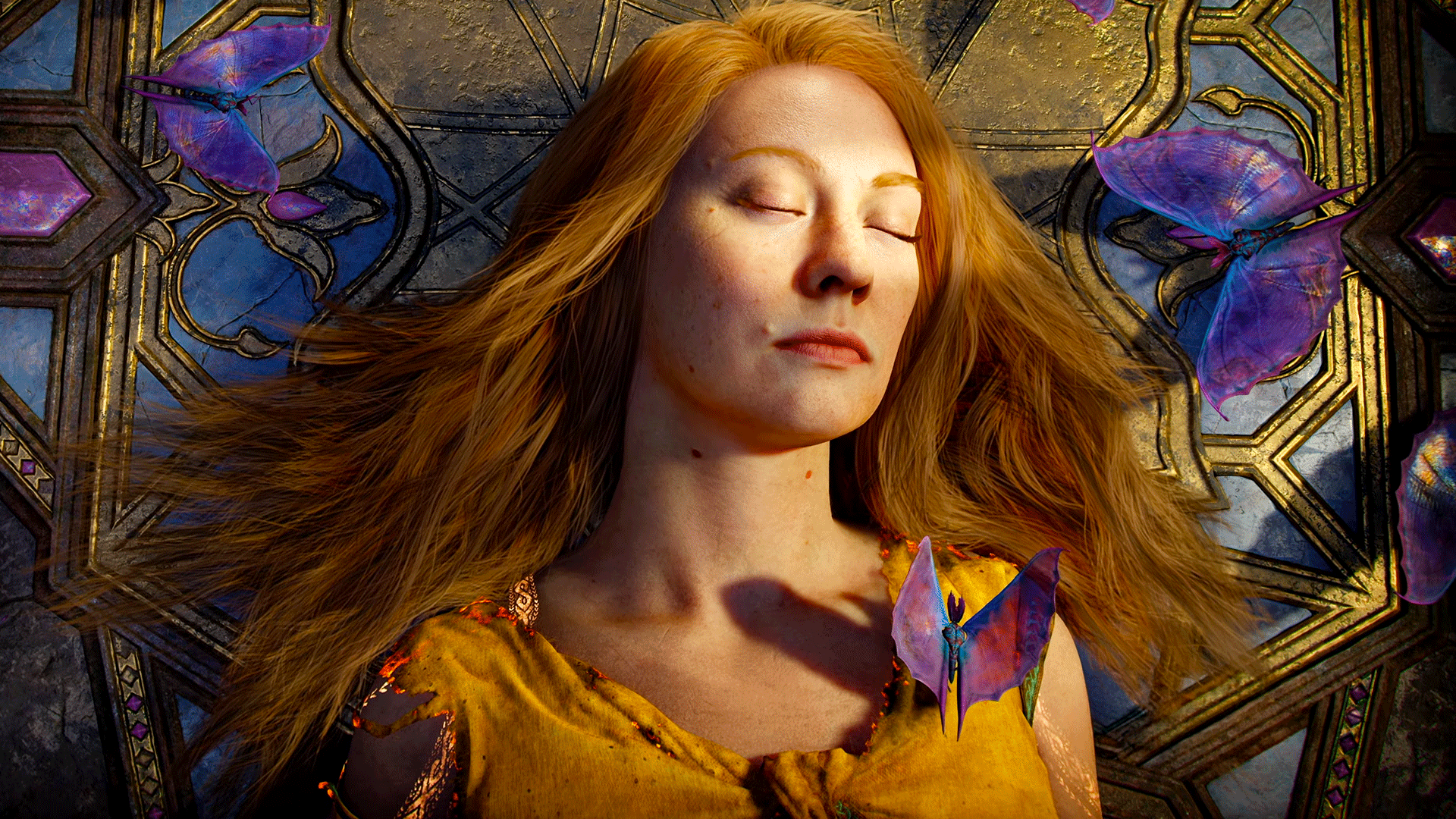
The highly anticipated reveal of "God of War Laufey" at a recent PlayStation State of Play event has ignited a flurry of discussions within the global gaming community. While the announcement generated significant enthusiasm, it was also met with a degree of skepticism from fans. In response to these mixed reactions, Ariel Lawrence, the director of "God of War Laufey," has reportedly addressed the concerns head-on, acknowledging the skepticism and expressing a hopeful appeal for players to give the new title a fair opportunity.
This particular reveal was positioned as the "big 'one last thing'" during the PlayStation State of Play, a designation that typically signifies a major announcement intended to leave a lasting impression. Such a prominent slot at a high-profile industry event naturally elevates expectations, placing immense pressure on the unveiled title to deliver something truly groundbreaking or deeply resonant with the established fanbase. The "God of War" franchise, known for its epic storytelling, brutal combat, and compelling character development, carries a weighty legacy, making any new entry a subject of intense scrutiny and anticipation.
The "God of War" series has consistently redefined action-adventure gaming, earning critical acclaim and a fiercely loyal following over many years. Each installment has pushed boundaries, both narratively and technologically, setting a very high bar for subsequent titles. Fans often invest deeply in these narratives and characters, developing strong opinions about the direction a beloved franchise should take. Therefore, any deviation or perceived risk in a new announcement can understandably trigger a range of reactions, from excitement to apprehension.
Skepticism in the gaming world often stems from various factors, including concerns about changes to core gameplay mechanics, narrative shifts, or even the perceived necessity of a new installment in an already rich saga. While the specific reasons for the skepticism surrounding "God of War Laufey" have not been detailed, it is a common phenomenon when a new chapter in a storied franchise is unveiled. Players, having invested countless hours and emotional energy into previous games, naturally approach new announcements with a critical eye, hoping for innovation while also desiring a continuation of what they cherish.
Director Ariel Lawrence's decision to directly address this skepticism is a notable move, signaling a transparency and an understanding of the community's pulse. Instead of dismissing the reservations, Lawrence has reportedly acknowledged them, demonstrating an empathy for the fanbase's concerns. This approach can often foster a sense of trust and open dialogue between developers and players, which is crucial for the long-term health of any gaming franchise. It suggests that the development team is aware of the high expectations and the potential for diverse interpretations of their creative direction.
The development of "God of War Laufey" has been described by its director as a "herculean effort." This phrase evokes an image of immense dedication, significant challenges, and a monumental undertaking by the development team. Such a description implies that the creation of the game involved substantial creative and technical ambition, likely pushing the boundaries of what has been achieved before within the franchise or the genre. It suggests that the team has poured considerable resources, time, and passion into bringing this new vision to life, aiming for an experience that justifies the effort and meets the lofty standards associated with the "God of War" name.
Lawrence's appeal for fans to give the game a chance is a plea for open-mindedness. It asks players to look beyond initial impressions or preconceived notions and to approach "God of War Laufey" with a willingness to experience what the team has crafted. This call to action is particularly relevant in an era where immediate reactions and online discourse can quickly shape public perception. The director's hope is that players will engage with the game on its own merits, allowing the full scope of the "herculean effort" to be appreciated once it is available.
In the broader context of the video game industry, managing fan expectations for established franchises is an ongoing challenge. Developers constantly grapple with the balance between innovation and tradition, seeking to evolve a series while retaining its core identity. The reactions to "God of War Laufey" serve as a reminder of this delicate equilibrium, where even highly anticipated titles can generate a spectrum of responses. The success of a game often hinges not just on its quality, but also on how effectively its creators communicate their vision and engage with their audience.
As the gaming world continues to process the reveal of "God of War Laufey" and the director's subsequent comments, anticipation remains high for more details about the game. Despite the initial skepticism, the legacy of the franchise and the reported "herculean effort" behind its development suggest that "God of War Laufey" aims to be a significant entry. The coming months will undoubtedly bring further insights into what players can expect from this ambitious title, and whether it will ultimately win over the hearts and minds of its dedicated fanbase.
The dialogue initiated by Ariel Lawrence highlights the dynamic relationship between game creators and their audience. It underscores the importance of acknowledging community feedback while also advocating for the creative vision and immense work invested in bringing a new world to life. The hope is that this new chapter will not only meet but exceed the expectations of a discerning global audience, proving that the "herculean effort" was indeed worthwhile.