
God and bitcoin: Why some Christians are putting their faith in cryptocurrency
With the rise of cryptocurrency, a Christian subculture around digital currency has emerged, with some pastors pitching bitcoin as biblically sound.
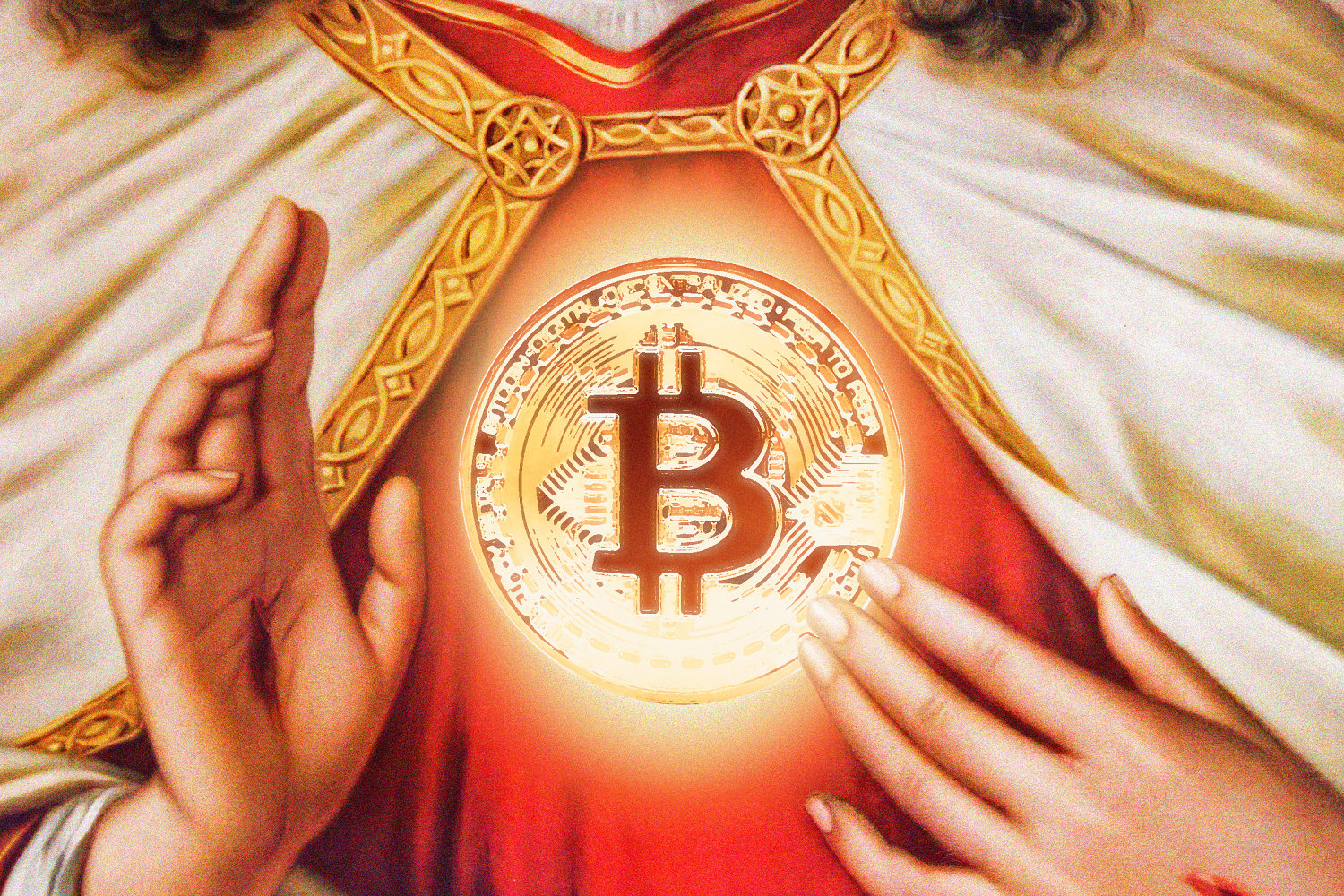
In recent years, the cryptocurrency landscape has been marked by a unique phenomenon: the emergence of a Christian subculture that views digital currencies as biblically sound. This group, which includes some pastors and religious leaders, argues that bitcoin and other cryptocurrencies align with certain biblical teachings, making them a prudent investment for believers.
The roots of this belief can be traced to the biblical concept of "gold and silver" mentioned in the Bible, which some interpret as a reference to precious metals. However, this group posits that these terms could also symbolize digital assets, particularly bitcoin. They argue that the Bible's emphasis on wealth and financial stability encourages believers to seek out secure and innovative investment opportunities.
One of the most prominent figures in this movement is Pastor Michael Weiss, who has become a vocal advocate for bitcoin. In his sermons and writings, Weiss asserts that the decentralized nature of bitcoin aligns with the principles of biblical democracy and equality. He believes that the technology behind bitcoin—blockchain—represents a new form of transparency and accountability, reflecting the values of truth and justice emphasized in scripture.
Weiss and others in this community also highlight the potential for cryptocurrencies to bypass traditional financial systems, which they view as corrupt or unjust. They argue that bitcoin offers a way for individuals to transact freely, without the influence of central banks or governments that may manipulate economies. This perspective resonates with some Christians who feel marginalized by mainstream financial institutions.
Despite the enthusiasm of this group, the cryptocurrency market has been volatile, with significant price fluctuations. However, many in this community remain steadfast in their faith, viewing the market's ups and downs as a test of their convictions. They argue that the Bible often teaches perseverance in times of uncertainty, and they see the cryptocurrency journey as a spiritual trial that strengthens their faith.
Critics of this movement, both within and outside the Christian community, question the validity of these interpretations. They point out that the Bible does not explicitly mention cryptocurrencies or digital assets, and that drawing direct parallels is speculative. Furthermore, they argue that the risks associated with cryptocurrencies—such as price volatility and security concerns—outweigh any potential benefits.
Despite the skepticism, the Christian cryptocurrency community continues to grow, driven by a unique blend of faith and financial pragmatism. For these believers, bitcoin represents not just an investment opportunity, but a way to align their financial choices with their spiritual values. As the cryptocurrency market evolves, it remains to be seen whether this niche community will gain broader acceptance or remain a marginal part of the larger Christian and cryptocurrency discourse.
In conclusion, the intersection of faith and cryptocurrency has given rise to a distinctive Christian subculture that views bitcoin as a biblically sound investment. While critics question the validity of these interpretations, the community's members remain committed to their beliefs, viewing their engagement with cryptocurrencies as a spiritual journey. As the market continues to evolve, this unique blend of faith and finance will likely shape future discussions around the role of technology in religious and economic life.









