Goa Yellow Alert: Monsoon Intensifies with Storms
The India Meteorological Department has placed Goa under a five-day yellow alert, warning residents and visitors of impending thunderstorms, lightning, and gusty winds as monsoon conditions are set to intensify across the picturesque coastal state.
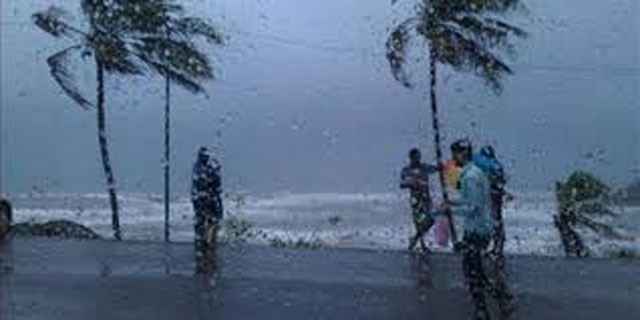
Goa, the popular coastal state, is currently under a five-day yellow alert issued by the India Meteorological Department (IMD). This advisory, reportedly active around June 3, signals an impending period of heightened weather activity. Warnings specifically highlight the likelihood of thunderstorms, lightning, and gusty winds. The IMD's declaration comes as monsoon conditions are expected to intensify across the region, prompting authorities and residents alike to brace for potential disruptions and take necessary precautions. This alert serves as a crucial heads-up for everyone in the state, from local communities to tourists, to remain vigilant and prepared for changing weather patterns.
The arrival of the monsoon is an annual phenomenon that profoundly shapes life in Goa. While it brings much-needed relief from the pre-monsoon heat and replenishes vital water sources, it also ushers in a period of dynamic weather. For a coastal state like Goa, the monsoon season is characterized by heavy rainfall, strong winds, and often dramatic thunderstorms. The economy, heavily reliant on tourism and fishing, experiences a seasonal shift during these months. Understanding the typical characteristics of the Goan monsoon is essential for appreciating the significance of the IMD's latest yellow alert, as it indicates an intensification of these familiar weather elements.
The India Meteorological Department plays a pivotal role in monitoring and forecasting weather patterns across the nation, providing crucial advisories. Its color-coded alert system communicates the severity of impending weather conditions, with 'yellow' signifying 'be aware' or 'watch out.' A yellow alert indicates that weather could potentially cause minor disruptions to daily life, such as traffic delays, power outages, or localized flooding. It advises people to stay informed and take precautionary measures. This system aids in proactive disaster management and public safety, urging vigilance without necessarily indicating an immediate, severe threat.
The current yellow alert for Goa specifically warns of thunderstorms, lightning, and gusty winds. Thunderstorms, often accompanied by heavy downpours, can lead to reduced visibility, making travel hazardous, and may cause temporary waterlogging in low-lying areas. Lightning poses a significant risk to life and property, especially for those outdoors. Gusty winds can cause damage to temporary structures, uproot trees, and disrupt power lines, leading to potential outages. The five-day duration of this alert suggests these conditions are not transient but are expected to persist, requiring sustained caution from the public.
For residents of Goa, particularly those in coastal or low-lying regions, these intensifying monsoon conditions necessitate careful planning of daily activities. Commuting might become challenging, and outdoor work could be disrupted. Fishermen, a vital part of Goa's economy, are typically advised to exercise extreme caution or suspend operations during periods of strong winds and rough seas. Tourists, who frequent Goa for its outdoor attractions, are also advised to heed the warnings. Beach activities, water sports, and boat trips are often curtailed or deemed unsafe during such weather, prompting visitors to adjust itineraries and prioritize safety.
In light of the IMD's yellow alert, it is prudent for everyone in Goa to adopt several safety precautions. During thunderstorms, seeking shelter indoors and avoiding open fields, tall trees, and metallic objects is highly recommended to mitigate lightning risks. Securing loose objects around homes and workplaces, such as potted plants or temporary shelters, can prevent damage from gusty winds. Residents are also advised to keep emergency kits ready, including flashlights, power banks, and essential medicines, in case of power outages. Staying updated with the latest weather forecasts and official advisories is paramount for informed decision-making.
While specific actions by local authorities for this alert were not detailed, it is customary for state disaster management units and local administrations in monsoon-prone regions like Goa to activate preparedness protocols. These typically include readying emergency response teams, clearing drains to prevent waterlogging, and ensuring resources for potential relief operations. Public awareness campaigns are also often launched to educate citizens on monsoon safety. The IMD's yellow alert serves as a trigger for both governmental bodies and the public to enhance their readiness and collectively manage the challenges posed by the intensifying monsoon.
The monsoon is not merely a seasonal weather event for India; it is the lifeblood of the nation, profoundly influencing its agriculture, water security, and overall economy. While Goa experiences its unique coastal monsoon, the broader pattern of the Indian monsoon dictates agricultural output across vast swathes of the country, impacting food prices and rural livelihoods. The timely and adequate arrival of monsoon rains is crucial for staple crops. Therefore, an alert for a state like Goa, signaling the intensification of monsoon conditions, is part of a larger national weather narrative, underscoring the dynamic and vital role of this annual climatic phenomenon.
As Goa enters this phase of intensifying monsoon conditions under a five-day yellow alert, vigilance and preparedness remain key. The India Meteorological Department's advisory, warning of thunderstorms, lightning, and gusty winds, serves as a timely reminder for all stakeholders to prioritize safety. By staying informed through official channels, adhering to safety guidelines, and exercising caution in outdoor activities, both residents and visitors can navigate the challenges posed by the changing weather. With collective awareness and proactive measures, the potential impacts of the intensifying monsoon can be effectively managed, ensuring the well-being of everyone in the coastal paradise.