Global government spending on counter-UAS systems reaches USD29 billion in first three months of 2026
Spending on counter-UAS systems (C-UAS) by governments around the world reached more than USD29 billion in publicly announced contracts during the first three months of
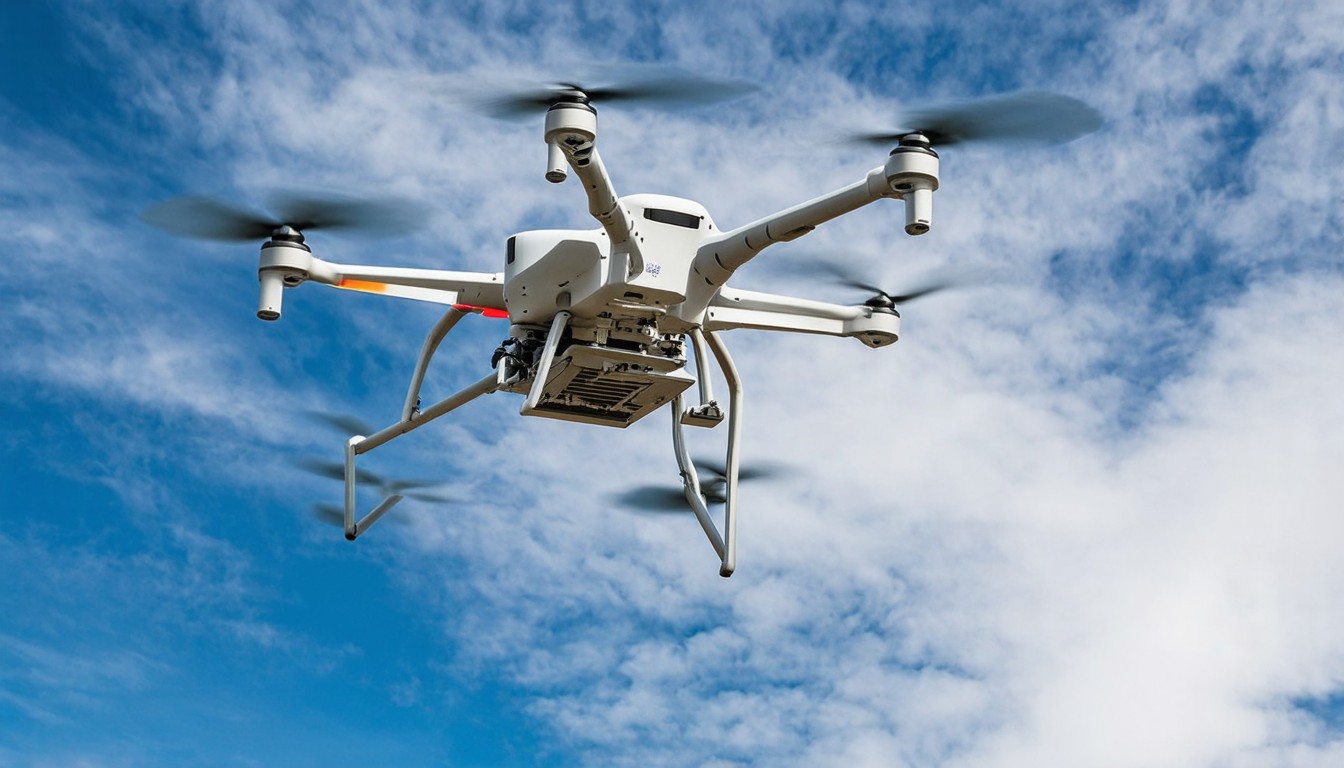
In the first three months of 2026, global government spending on counter-UAS (C-UAS) systems surpassed USD29 billion, as reported in the latest update of Unmanned Airspace’s Global Counter-UAS Systems Directory. This unprecedented surge in investment highlights the growing concern over the threat posed by unmanned aerial systems (UAS) and the urgent need for robust defensive measures.
The United States and Ukraine emerged as the top spenders in this market, with significant contracts awarded to various defense contractors. The US Army, for instance, awarded Anduril Industries a firm-fixed-price contract worth USD20 billion over a ten-year period for the supply of C-UAS systems. This includes the proprietary, open-architecture, AI-enabled Lattice suite, integrated hardware, data, computer infrastructure, and technical support services. The contract underscores the importance the US places on developing advanced counter-UAS capabilities to counter the growing threat of UAS.
Poland's SAN CUAS Programme, worth USD4.2 billion, was the second largest publicly-recorded C-UAS contract. The program awarded a consortium of Kongsberg Defence & Aerospace and Polska Grupa Zbrojeniowa (PGZ) the task of providing a "drone wall shield" on the country's eastern border. This initiative reflects Poland's commitment to bolstering its air defense capabilities, particularly in the face of regional tensions.
The Prioritised Ukraine Requirements List (PURL) programme, a NATO initiative launched in July 2025, has also played a significant role in driving C-UAS spending. In February 2026, partner countries within the PURL programme announced a substantial support budget for Ukraine, totaling USD38 billion for 2026, with USD2 billion allocated to air defense. This demonstrates the international community's recognition of the critical need for robust air defense systems in Ukraine, given the ongoing conflict.
Germany has pledged to fund an anti-drone shield over Ukrainian cities, as well as drone assault units, as part of its USD13 billion budget for assistance to Ukraine. Norway and the UK are contributing approximately USD700 million each to air defense, with other countries, such as Turkey, also providing dedicated air defense assistance. These contributions highlight the global solidarity in addressing the UAS threat and supporting Ukraine's security efforts.
In addition to the US, Ukraine, and European nations, several other countries have announced major new programs for layered C-UAS defensive systems. These include Colombia, Nigeria, Saudi Arabia, Qatar, and the United Arab Emirates. The urgency in these purchases stems from the need to protect critical infrastructure, borders, and national security interests from UAS threats.
The rapid expansion of C-UAS systems is driven by the increasing sophistication and proliferation of UAS. These systems pose a significant threat to civilian and military assets, necessitating the development of advanced countermeasures. The USD29 billion in spending during the first three months of 2026 is just the tip of the iceberg, as the actual figure is likely to be far higher. Governments worldwide are recognizing the importance of investing in C-UAS technologies to safeguard their nations from this evolving threat.
In conclusion, the unprecedented global government spending on counter-UAS systems in the first three months of 2026 underscores the growing recognition of the UAS threat. With major contracts awarded to defense contractors in the US, Ukraine, Poland, and other nations, the international community is taking decisive action to bolster its air defense capabilities. As the threat landscape continues to evolve, it is expected that further investments will be made in C-UAS technologies to ensure national security and protect against the growing menace posed by unmanned aerial systems.