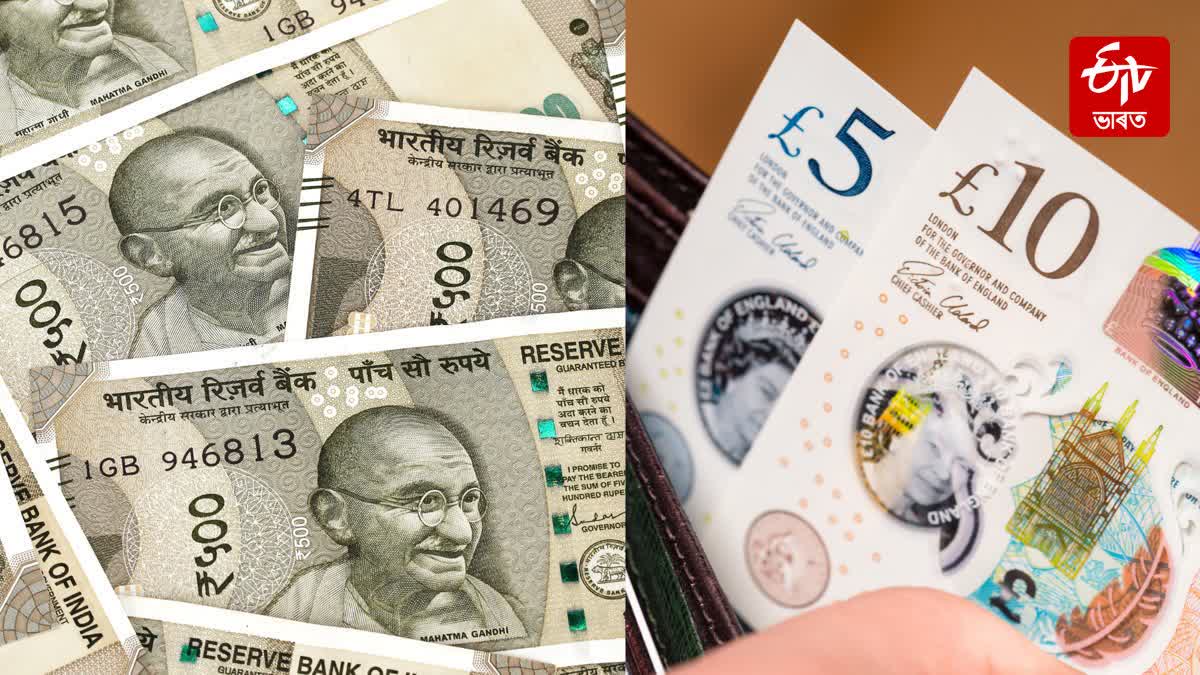
Global Firms Repatriate Billions from India's IPO Boom
Foreign companies are strategically listing their Indian units via secondary offerings to send billions of dollars home, leveraging high stock valuations. This trend is causing significant capital outflows and impacting the Indian rupee, prompting official con

India's vibrant Initial Public Offering (IPO) market, a beacon of economic dynamism, is reportedly witnessing a significant trend where global corporations are strategically listing their Indian subsidiaries. This move, primarily through secondary offerings, is understood to be a calculated mechanism for these foreign entities to repatriate substantial profits, potentially amounting to billions of dollars, back to their home countries. The phenomenon, driven by India's currently elevated stock valuations, presents a complex scenario for the nation's financial landscape, raising questions about capital flows and their broader economic implications, particularly concerning the stability of the Indian rupee. This development, while not entirely unexpected in a globalized economy, has reportedly drawn the attention of some officials, though no immediate regulatory curbs have been indicated.
The Indian stock market has, in recent times, demonstrated remarkable resilience and growth, attracting considerable domestic and international investor interest. This robust environment has led to what many analysts describe as high stock valuations, making it an opportune moment for companies to tap into public capital. For foreign parent companies with successful Indian operations, this buoyant market offers an attractive window to unlock value from their investments. The prospect of achieving premium valuations for their Indian units on local bourses provides a compelling incentive to list, thereby capitalizing on the strong investor appetite prevalent in the market. This underlying strength of the Indian capital markets is the fundamental driver enabling the current trend of profit repatriation.
Crucially, the listings in question are predominantly secondary offerings. Unlike primary offerings, which involve the issuance of new shares to raise fresh capital for the company's expansion or operations, secondary offerings entail existing shareholders selling their stakes to the public. In this context, the "existing shareholders" are often the foreign parent companies themselves or their affiliates. Therefore, the funds generated from these sales do not flow into the Indian unit for its growth or investment but are instead directed to the selling shareholders. This distinction is vital as it underscores that the primary objective of these listings is not to infuse new capital into the Indian economy but rather to facilitate the exit and profit-taking by foreign investors.
The scale of capital being moved out of India through this mechanism is reportedly substantial, running into billions of dollars. This represents a significant outflow of funds that were previously invested or generated within the Indian economic ecosystem. While foreign direct investment (FDI) is generally welcomed for its role in economic growth and job creation, the systematic repatriation of such large sums through secondary listings signifies a different dynamic. It highlights a phase where the focus shifts from investment inflow to profit extraction, a natural part of the investment cycle but one that warrants careful observation given its potential cumulative impact on the domestic economy.
One of the most direct and tangible consequences of these capital outflows is their potential effect on the Indian rupee. When large volumes of foreign currency are converted from rupees and moved out of the country, it increases the demand for foreign currency while simultaneously increasing the supply of rupees in the foreign exchange market. This imbalance typically exerts downward pressure on the rupee's value against major global currencies. A weakening rupee can have several ramifications for the Indian economy, including making imports more expensive, potentially fueling inflation, and increasing the cost of servicing foreign debt. For a nation heavily reliant on imports for essential goods like crude oil, a depreciating currency can significantly impact household budgets and macroeconomic stability.
India has long positioned itself as a prime destination for foreign investment, attracting global firms with its vast market, growing consumer base, and improving ease of doing business. The presence of these foreign companies and their successful Indian units contributes to economic activity, innovation, and employment. However, the current trend underscores the dual nature of global capital flows. While attracting investment is crucial, managing its ebb and flow, particularly when substantial profits are repatriated, becomes equally important for maintaining economic equilibrium. The situation calls for a nuanced understanding of how to sustain India's attractiveness as an investment hub while mitigating potential adverse effects of capital movements.
According to reports, this emerging trend has not gone unnoticed by Indian officials, with some reportedly expressing concern over the significant capital outflows. The government and regulatory bodies are tasked with balancing the imperative of maintaining a free and open capital market, which is essential for attracting continued foreign investment, against the need to safeguard domestic economic stability. While concerns have been voiced, the source indicates that no immediate curbs or regulatory restrictions on such activities have been indicated. This suggests a cautious approach, possibly involving close monitoring of the situation rather than immediate intervention, reflecting a desire to avoid measures that could deter future foreign investment.
The long-term implications of this trend bear careful consideration. If the pattern of foreign firms leveraging India's high valuations primarily for profit repatriation through secondary offerings persists, it could influence investor sentiment and the overall health of India's capital markets. While profit-taking is a legitimate aspect of investment, a sustained, large-scale outflow without commensurate new investment inflows could alter the perception of India as a destination for long-term capital deployment. It could also prompt a re-evaluation of policies designed to attract and retain foreign capital, ensuring that the benefits of foreign investment are maximized for the Indian economy.
Looking ahead, the trajectory of this trend will likely depend on several factors, including the continued strength of India's equity markets, global economic conditions, and any potential shifts in regulatory perspectives. Should India's stock valuations remain robust, the incentive for foreign parent companies to monetize their successful Indian ventures will likely persist. Conversely, a moderation in valuations or a change in the global investment climate could alter the dynamics. For now, the absence of indicated curbs suggests that policymakers are observing the situation closely, weighing the benefits of an open capital account against the potential challenges posed by significant capital repatriation. The ongoing dialogue between market forces and regulatory oversight will be key in shaping the future landscape of foreign participation in India's booming IPO market.
In conclusion, the current phenomenon of global firms utilizing India's thriving IPO market, particularly through secondary offerings, to repatriate billions of dollars in profits back to their home countries represents a significant development. Driven by India's attractive stock valuations, this trend contributes to substantial capital outflows, with potential implications for the Indian rupee and the broader economy. While some officials have reportedly voiced concerns, the current stance indicates a period of observation rather than immediate regulatory intervention. This complex interplay of market opportunity and economic impact will undoubtedly remain a focal point for financial analysts and policymakers alike as India continues to navigate its path as a major global economic power.