Giving plastic a second life
UC Berkeley Engineering alum Paige Balcom is turning plastic waste into economic opportunity through her recycling company in Uganda The post Giving plastic a second life appeared first on Berkeley Engineering .
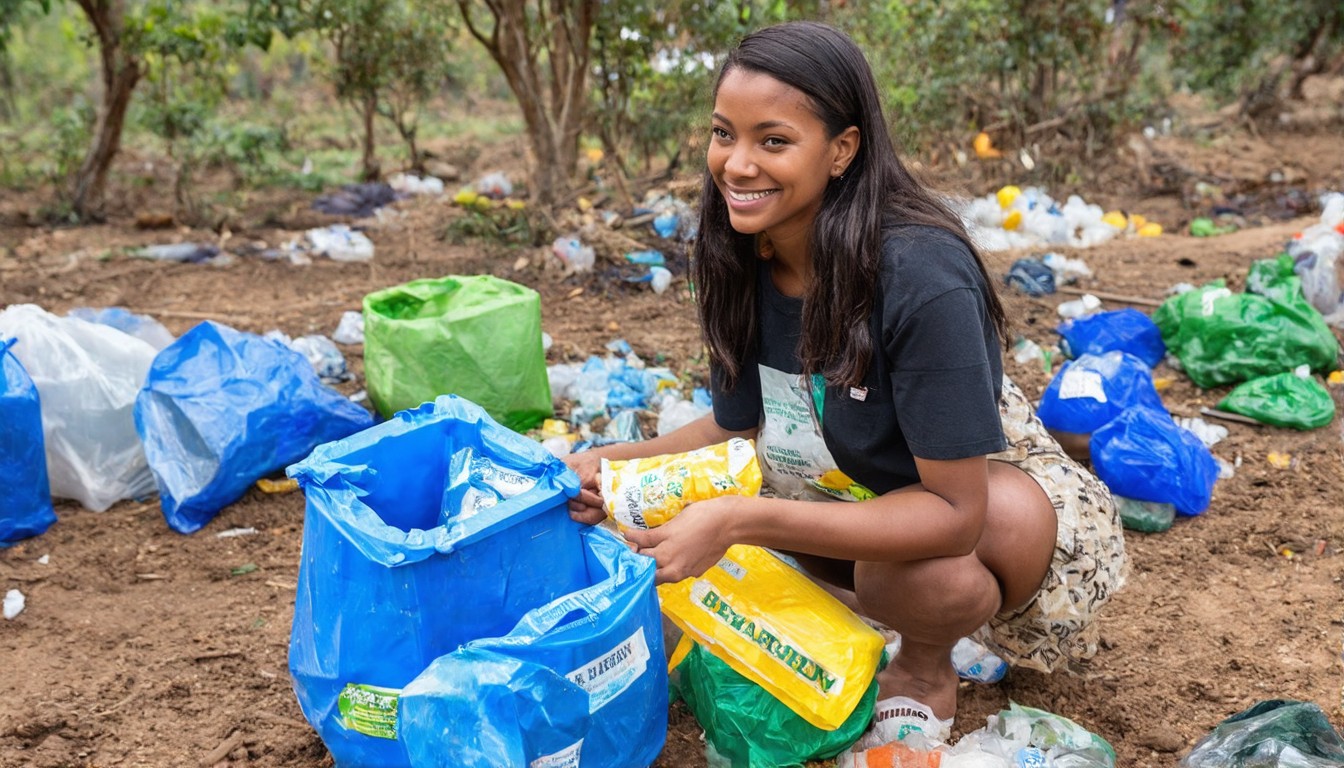
Plastic waste is a growing problem across much of the world, but Paige Balcom (Ph.D.’22 ME) is working to turn it into opportunity. As co-founder and co-CEO of Takataka Plastics, a recycling social enterprise in northern Uganda, Balcom is helping to transform discarded PET plastics into durable wall tiles, providing an innovative solution to waste challenges while creating jobs for the local community. The company, now in its sixth year, has 60 employees, half of whom are from vulnerable backgrounds, and recently received a large grant that will enable it to expand operations and establish a permanent facility. But the growth of Takataka Plastics is about more than entrepreneurial success—it reflects a philosophy shaped by Balcom’s work as a development engineer: that lasting impact emerges through collaboration with local communities.
Balcom, who was recently honored with UC Berkeley’s Mark Bingham Award for Excellence in Achievement by Young Alums, returned to campus this past December to deliver the keynote address at the Master of Development Engineering commencement, in which she shared some wisdom about leadership and humility. “If you’re just one person trying to solve a problem, even if you’re brilliant, you’re not going to make that big of a dent,” said Balcom. “But if you have a team working together, in unity with you, and if you have learned how to lead that team effectively, you’ll make ripples of impact way beyond what you can do alone.”
The engineering team and production managers at Takataka Plastics. (Photo by Ojok Eddie/Takataka Plastics)
Before arriving at Berkeley in 2017 for graduate school, Balcom had already made trips to Uganda through Engineers Without Borders and later as a Fulbright student researcher. While working with farmers in the village of Lukodi to build an aquaponic system, she became aware of Uganda’s growing plastic waste problem. She also saw how the absence of jobs and opportunity was making it difficult for the local community to thrive. This realization sparked the idea for Takataka Plastics, which was founded in 2017 with the goal of addressing both the environmental and economic challenges posed by plastic waste.
Takataka Plastics operates in a region where plastic waste is a significant issue, with discarded PET bottles and packaging materials piling up in landfills and along waterways. By repurposing these materials into useful products, the company not only helps to mitigate the environmental impact of plastic waste but also provides a sustainable livelihood for its employees. The wall tiles produced by Takataka Plastics are in high demand in Uganda and beyond, as they offer a durable and cost-effective alternative to traditional building materials.
The company’s success is rooted in its commitment to collaboration and community engagement. Balcom has emphasized the importance of working closely with local stakeholders, including government officials, community leaders, and other businesses, to ensure that her initiatives align with the needs and priorities of the people she aims to serve. This approach has helped to build trust and foster a sense of ownership among the local community, which has been crucial to the company’s growth and sustainability.
In addition to creating jobs and addressing environmental challenges, Takataka Plastics has also made a significant impact on the local economy. By sourcing raw materials locally and reinvesting profits back into the community, the company has helped to stimulate economic development and promote self-sufficiency. The recent grant from the Skoll Foundation, which totals $1.5 million, will enable Takataka Plastics to expand its operations, increase production capacity, and establish a permanent facility in Lukodi. This development will not only create more job opportunities but also position the company to serve a larger market and further reduce plastic waste in the region.
Balcom’s work with Takataka Plastics is a testament to the power of innovation and collaboration in addressing complex global challenges. By turning plastic waste into a source of economic opportunity, she has demonstrated that sustainable development is possible when local communities are at the heart of the process. As Takataka Plastics continues to grow and make a positive impact, Balcom’s vision of a world where resources are shared equitably and sustainably becomes a step closer to reality.
In her keynote address at Berkeley, Balcom shared her vision for the future of development engineering: “We have the tools and the knowledge to create solutions that can transform lives and heal the planet. But we must do so with humility and a commitment to collaboration, recognizing that no single individual or organization can solve these challenges alone.” Her work with Takataka Plastics exemplifies this vision, showing that when we come together to address the world’s most pressing issues, we can create ripples of positive change that extend far beyond the immediate horizon.