
Github Integrates AI to Improve Accessibility Issue Management and Automate Feedback Triage
GitHub has launched a continuous AI-powered workflow to manage accessibility feedback at scale. Using GitHub Actions, Copilot, and Models APIs, the system centralizes reports, analyzes WCAG compliance, and automates triage while maintaining human validation. Teams now resolve feedback faster, improving inclusion and cross-functional collaboration. By Leela Kumili
GitHub Integrates AI to Improve Accessibility Issue Management and Automate Feedback Triage
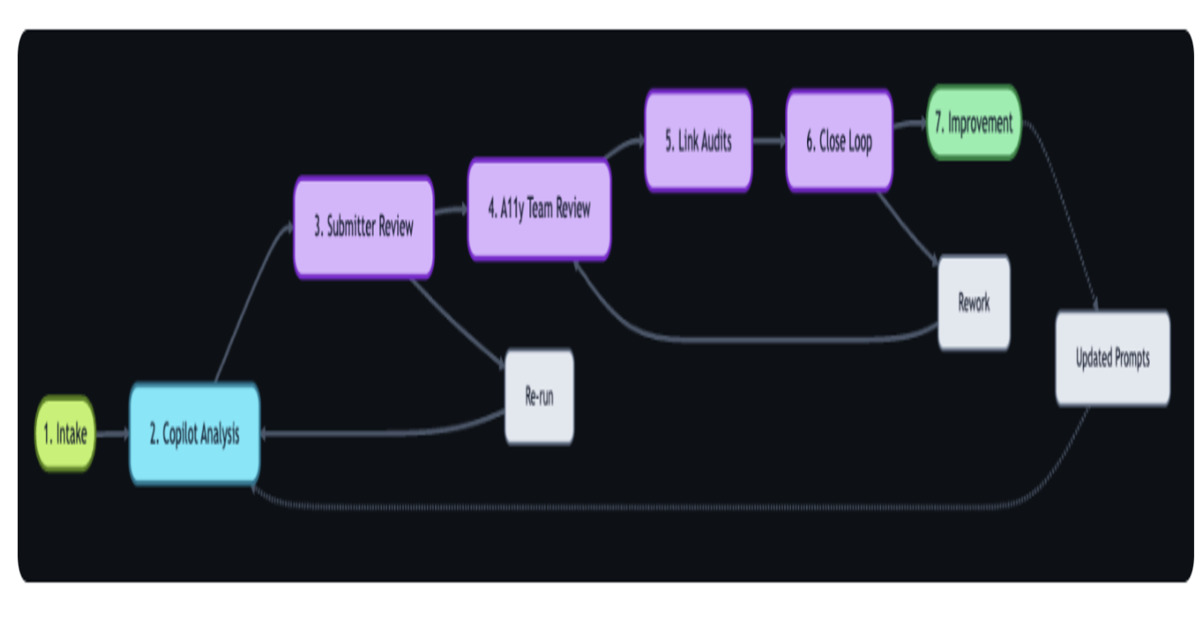
GitHub, the leading platform for developers to collaborate on code, has recently introduced a groundbreaking AI-powered workflow designed to manage accessibility feedback at scale. This innovative system leverages GitHub Actions, Copilot, and Models APIs to centralize accessibility reports, analyze compliance with the Web Content Accessibility Guidelines (WCAG), and automate the triage process while ensuring human validation. The result is a significant improvement in the speed at which teams can resolve feedback, thereby enhancing digital inclusion and fostering cross-functional collaboration.
The introduction of this AI-driven system marks a significant step forward in addressing accessibility challenges faced by developers and designers. As digital platforms continue to expand, ensuring that they are accessible to all users, including those with disabilities, has become increasingly important. GitHub's new workflow aims to streamline the process of managing accessibility feedback, allowing teams to prioritize and resolve issues more efficiently.
At the heart of GitHub's new system is the integration of GitHub Actions, a platform that enables automation of workflows and deployments. By utilizing GitHub Actions, the AI workflow can automatically process incoming accessibility reports, ensuring that they are centralized in a single location. This centralization not only simplifies the management of feedback but also facilitates collaboration among team members, as everyone involved can access the same information in real time.
Another key component of the new system is the use of GitHub Copilot, an AI-powered tool that assists developers in writing code more efficiently. In this context, Copilot is employed to analyze accessibility reports and provide suggestions for improvements. By leveraging Copilot's capabilities, the AI workflow can offer actionable insights to developers, helping them to address accessibility issues more effectively.
In addition to GitHub Actions and Copilot, the new system also employs GitHub's Models APIs, which provide access to a range of pre-trained machine learning models. These models are used to analyze accessibility reports and assess their compliance with WCAG guidelines. By automating this analysis, the AI workflow can quickly identify areas where improvements are needed, allowing teams to focus their efforts on the most critical issues.
Despite the automation provided by the AI workflow, human validation remains an essential component of the process. GitHub has recognized that while AI can be highly effective in managing and analyzing accessibility feedback, human expertise is still required to ensure that the solutions proposed are appropriate and effective. Therefore, the new system is designed to maintain a balance between automation and human oversight, ensuring that feedback is triaged and resolved in a manner that meets the highest standards of accessibility.
The benefits of GitHub's new AI-powered workflow are already being felt by teams across the development community. By automating the management and analysis of accessibility feedback, developers and designers are able to resolve issues more quickly, allowing them to focus on other aspects of their work. This improved efficiency not only enhances digital inclusion but also fosters cross-functional collaboration, as team members from different disciplines can work together more effectively to ensure that digital platforms are accessible to all users.
In conclusion, GitHub's integration of AI to manage accessibility feedback at scale represents a significant advancement in the field of digital accessibility. By leveraging GitHub Actions, Copilot, and Models APIs, the new system centralizes reports, analyzes WCAG compliance, and automates triage while maintaining human validation. This innovative approach not only speeds up the resolution of accessibility issues but also promotes cross-functional collaboration, ultimately leading to a more inclusive digital landscape. As GitHub continues to innovate in this area, developers and designers can look forward to even more efficient and effective tools for managing accessibility feedback.









