'Ghar Wapsi Soon': All India Imam Chief Says PoK Will Reintegrate With India
Imam Umer Ahmed Ilyasi says PoK residents want to rejoin India, hails post Article 370 development in Kashmir, urges tourism, calls for peace in West Asia conflicts
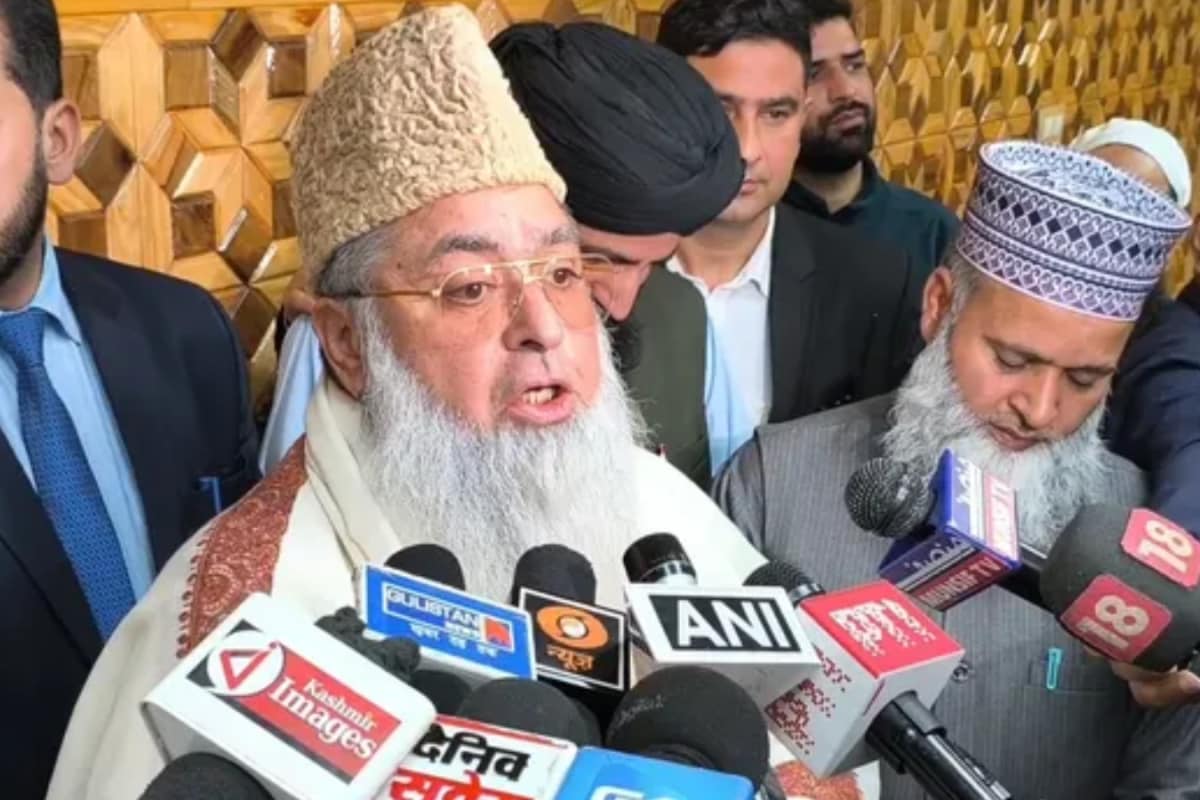
In a recent development that has sent ripples across the Indian subcontinent, All India Imam Chief, Imam Umer Ahmed Ilyasi, has made a bold statement regarding the future of the disputed region of Jammu and Kashmir, particularly the Pakistani-administered territory of Gilgit-Baltistan, often referred to as "PoK" (Pakistan-administered Kashmir). In an exclusive interview, Imam Ilyasi emphasized the desire of the residents of PoK to reintegrate with India, a sentiment he believes is gaining traction following the revocation of Article 370 and Article 35A of the Indian Constitution in 2019.
The revocation of these constitutional provisions, which granted special autonomy to Jammu and Kashmir, was a contentious move that led to widespread protests and unrest in the region. However, Imam Ilyasi's statement suggests that the situation on the ground is evolving, with many in PoK expressing a desire to be part of India. He highlighted that the post-Article 370 developments in Jammu and Kashmir have created a ripple effect, influencing the sentiments of the people in the Pakistani-administered areas.
Imam Ilyasi's call for PoK's reintegration with India is not without its political implications. The region, which is strategically located in the northernmost part of the Indian subcontinent, has been a point of contention between India and Pakistan for decades. The two countries have fought three wars over the disputed territory, with the last conflict, the 1971 Indo-Pakistan War, resulting in the independence of Bangladesh and the cessation of hostilities. Since then, the Line of Control (LoC) has remained the de facto border between India and Pakistan, with both nations claiming sovereignty over PoK.
Despite the ongoing tensions, Imam Ilyasi's statement underscores a growing sentiment among the residents of PoK. He pointed out that the people of the region are increasingly aware of the socio-economic benefits that Jammu and Kashmir has experienced since its integration with India in 1947. He argued that the revocation of Article 370, which had been a point of contention for many years, has paved the way for greater development and progress in the region.
In addition to the political developments, Imam Ilyasi also highlighted the importance of tourism in the region. He urged the government to invest in the tourism sector, which he believes has the potential to boost the economy of the area. The northern regions of Jammu and Kashmir are known for their natural beauty, with the Pir Panjal and Zanskar ranges offering breathtaking landscapes and adventure opportunities. Imam Ilyasi's call for tourism development is a reflection of the belief that economic prosperity can foster a sense of belonging and unity among the residents of PoK.
Furthermore, Imam Ilyasi called for peace in the West Asian conflicts, emphasizing the need for dialogue and diplomacy to resolve the long-standing disputes in the region. He acknowledged the complexities of the Kashmir conflict and the broader geopolitical landscape, but he remained optimistic about the possibility of a peaceful resolution. His call for peace is a reminder of the interconnectedness of the conflicts in the Indian subcontinent and the need for a collaborative approach to address them.
Imam Ilyasi's statement is a significant development in the ongoing discourse around the future of Jammu and Kashmir and the broader Kashmir conflict. While the political implications of his call for PoK's reintegration with India are significant, it is important to note that such a move would require a delicate balance of diplomacy and political will. The situation in the region is complex, with both India and Pakistan having vested interests in maintaining the status quo.
However, Imam Ilyasi's emphasis on the sentiments of the people of PoK is a crucial factor in any potential resolution. The desire of the local population to be part of India, if genuine and widespread, could play a pivotal role in shaping the future of the region. It is also a reminder of the importance of listening to the voices of those living on the ground, whose daily lives are most affected by the decisions made by political leaders.
In conclusion, Imam Umer Ahmed Ilyasi's statement on the reintegration of PoK with India highlights a growing sentiment among the residents of the disputed territory. His call for tourism development and peace in the West Asian conflicts underscores the need for a multifaceted approach to address the complexities of the Kashmir conflict. While the political implications of his statement are significant, it is ultimately the people of PoK whose desires and aspirations will shape the future of the region. As the situation continues to evolve, it will be interesting to see how these developments play out and what role they will play in the broader discourse around the future of Jammu and Kashmir.