Germany has a shortage of workers - so it's turning to India for help
The European nation, struggling to find skilled staff, is giving jobs to young people from India.
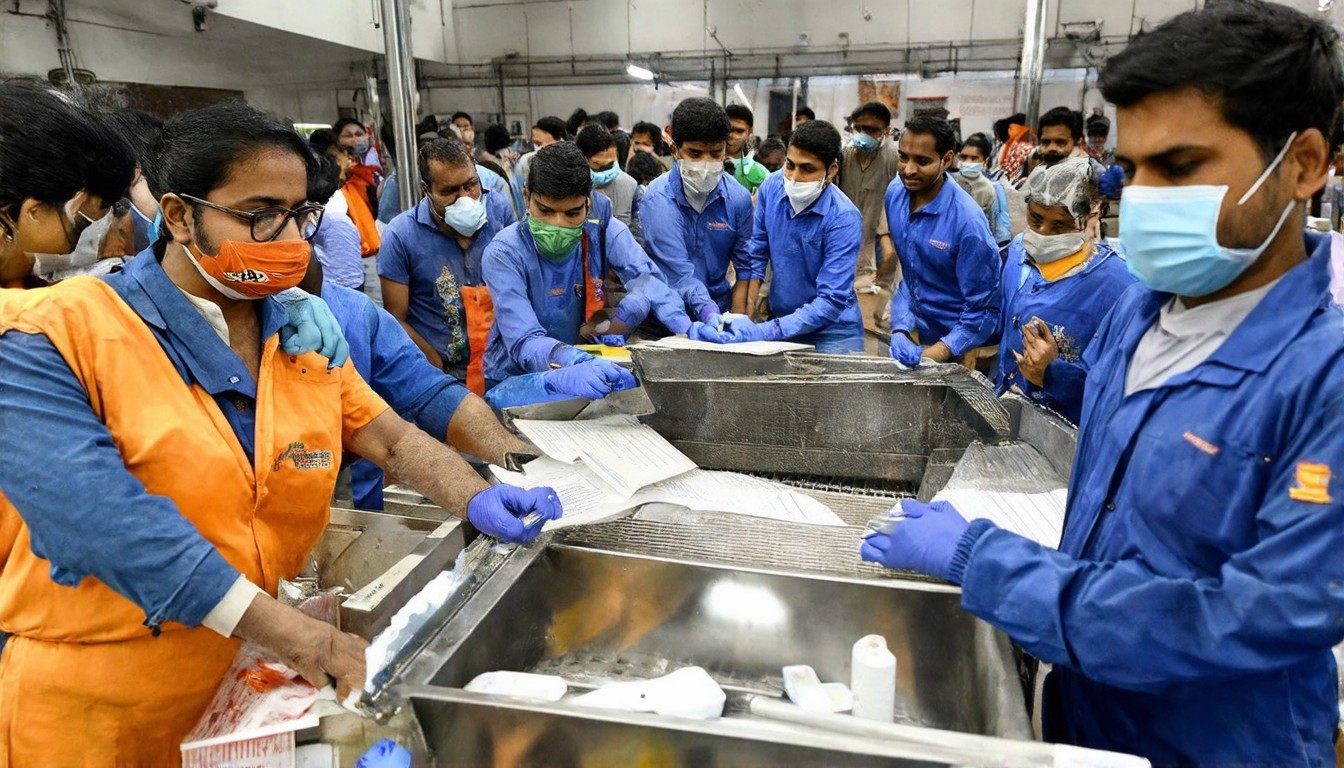
Germany, one of Europe's largest economies, is facing a significant labor shortage, prompting the country to look beyond its borders for solutions. In a move that reflects the growing interconnectedness of global economies, the German government has begun offering jobs to young professionals from India. This initiative is part of a broader strategy to address the country's dwindling workforce, which is aging rapidly and shrinking in size.
The labor crisis in Germany has been exacerbated by several factors. Firstly, the country's population is aging, with an increasing number of retirees and a declining birth rate. This demographic shift has led to a shortage of workers in key industries such as healthcare, technology, and engineering. Secondly, the government's recent decision to raise the retirement age has further strained the labor market, as more people are leaving the workforce than entering it.
In response to this challenge, Germany has turned its attention to India, a country with a young and rapidly growing population. The Indian government has been eager to support its youth in finding opportunities abroad, particularly in Europe. This partnership offers a mutually beneficial arrangement: Germany gains access to a pool of skilled workers, while India provides a pathway for its youth to gain experience and contribute to its economy through remittances.
The German government has implemented several programs to facilitate this workforce migration. One such program, known as the "German Skilled Worker Program," allows Indian professionals with specific skills to apply for jobs in Germany. These professionals are often in high demand in sectors such as information technology, engineering, and healthcare. The program has been successful in attracting a significant number of applicants, with many young Indians eager to take advantage of the opportunities.
However, the process of integrating Indian workers into the German labor market is not without its challenges. Language barriers, cultural differences, and the need for workers to adapt to new working environments can pose obstacles. To address these issues, Germany has invested in language courses and integration programs for new arrivals. These initiatives aim to ensure that Indian professionals can effectively contribute to the German economy while also feeling supported in their new environment.
The influx of Indian workers into Germany is not without controversy. Some critics argue that the country should focus on retraining its own citizens and encouraging more young people to enter the workforce. Others worry that the influx of foreign workers could lead to increased competition for jobs and wages. However, proponents of the program contend that the benefits of having a diverse and skilled workforce outweigh these concerns. They argue that Germany's economy needs the boost that a larger, more dynamic workforce can provide.
The decision to recruit workers from India is part of a broader trend in Europe, as other countries such as the Netherlands and the United Kingdom have also turned to non-traditional sources of labor. This shift reflects the reality that traditional models of workforce growth are no longer sustainable in the face of demographic changes. As Europe continues to grapple with its aging population, the need for innovative solutions becomes even more pressing.
In conclusion, Germany's decision to turn to India for help in addressing its labor shortage is a testament to the adaptability of modern economies. By leveraging the skills and energy of a younger, growing population, Germany hopes to mitigate the effects of its aging workforce. While challenges remain, this partnership represents a potential blueprint for other countries facing similar demographic challenges. As global economies become increasingly interconnected, the ability to attract and integrate skilled workers from around the world will become an increasingly important factor in maintaining economic growth and competitiveness.