
German XXL frigate on the horizon - but when will the super warship arrive?
Germany does not have an aircraft carrier, but is planning the largest frigate in the world - the F126. It is due to set sail in 2029 and will be suitable for submarine hunting or drone operations, depending on the mission. But there are problems with the vessel. When will the super ship arrive?
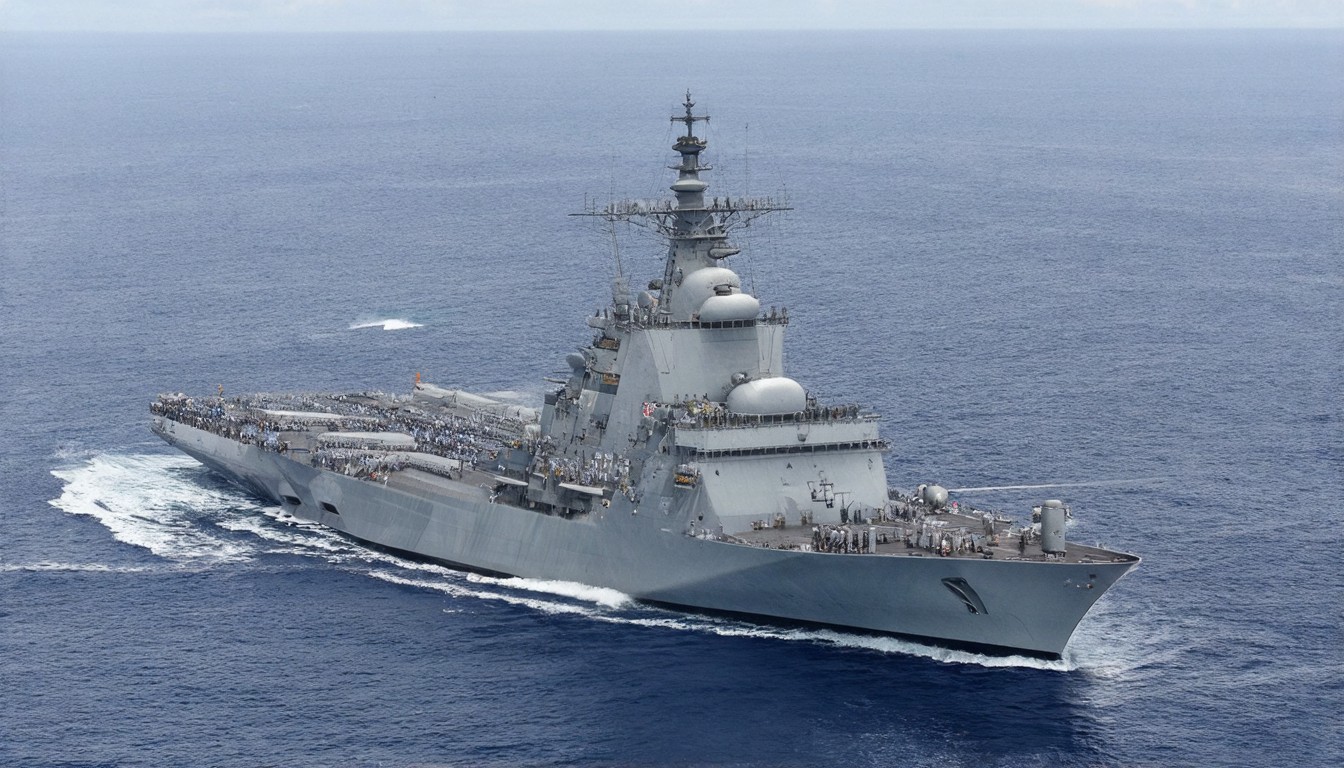
Germany's naval ambitions are taking an unprecedented turn as the country plans to commission the world's largest frigate, the F126, also known as the XXL frigate. This ambitious project, which is set to revolutionize Germany's naval capabilities, has been in the works for several years, but its arrival date has been a topic of speculation and concern.
The F126, designed to be a versatile and powerful vessel, is intended to serve as a platform for various missions, including submarine hunting and drone operations. With a planned launch in 2029, the frigate is expected to be over 180 meters long and capable of carrying a range of weapons and equipment. This makes it significantly larger than traditional frigates, hence the "XXL" designation.
The decision to build the F126 stems from Germany's strategic need to enhance its naval presence in the face of growing global tensions and the increasing importance of maritime security. As a country without an aircraft carrier, the F126 is seen as a critical asset that can project power and deterrence in various regions. Its size and capabilities also allow it to operate in diverse environments, from the open seas to coastal waters.
However, the project has not been without its challenges. Delays and budget overruns have plagued the development of the F126, leading to questions about its timely completion and the viability of its design. Critics have raised concerns about the feasibility of such a large vessel in today's naval warfare, where agility and stealth are often prioritized over sheer size.
Despite these challenges, the German government remains committed to the F126 project. Officials have assured that the vessel is being built to meet the latest technological standards and that it will be equipped with advanced sensors and communication systems. These features are intended to compensate for the frigate's size, ensuring that it remains a formidable force on the high seas.
The future of the F126 is closely watched by naval experts and defense analysts, who are eager to see how this unprecedented vessel will perform in real-world scenarios. While the 2029 launch date remains the official target, the ongoing issues surrounding the project have led many to question whether this timeline can be met.
In the meantime, Germany continues to invest in its naval capabilities, including the modernization of existing ships and the acquisition of new technology. The F126 is expected to play a central role in these efforts, serving as a flagship for the German navy and a symbol of its growing maritime ambitions.
As the world's largest frigate nears its completion, the international community is left to ponder the implications of such a vessel on global naval dynamics. Will the F126 become a benchmark for future naval architectures, or will it be overshadowed by more agile and adaptable designs? Only time will tell, but one thing is clear: Germany's decision to build the XXL frigate marks a significant shift in its naval strategy and a bold statement of its commitment to maritime security.








