
German men could require military permission to leave country for more than three months
German men aged between 17 and 45 could have to get military approval if they want to leave the country for more than three months, according to recent changes to the law.
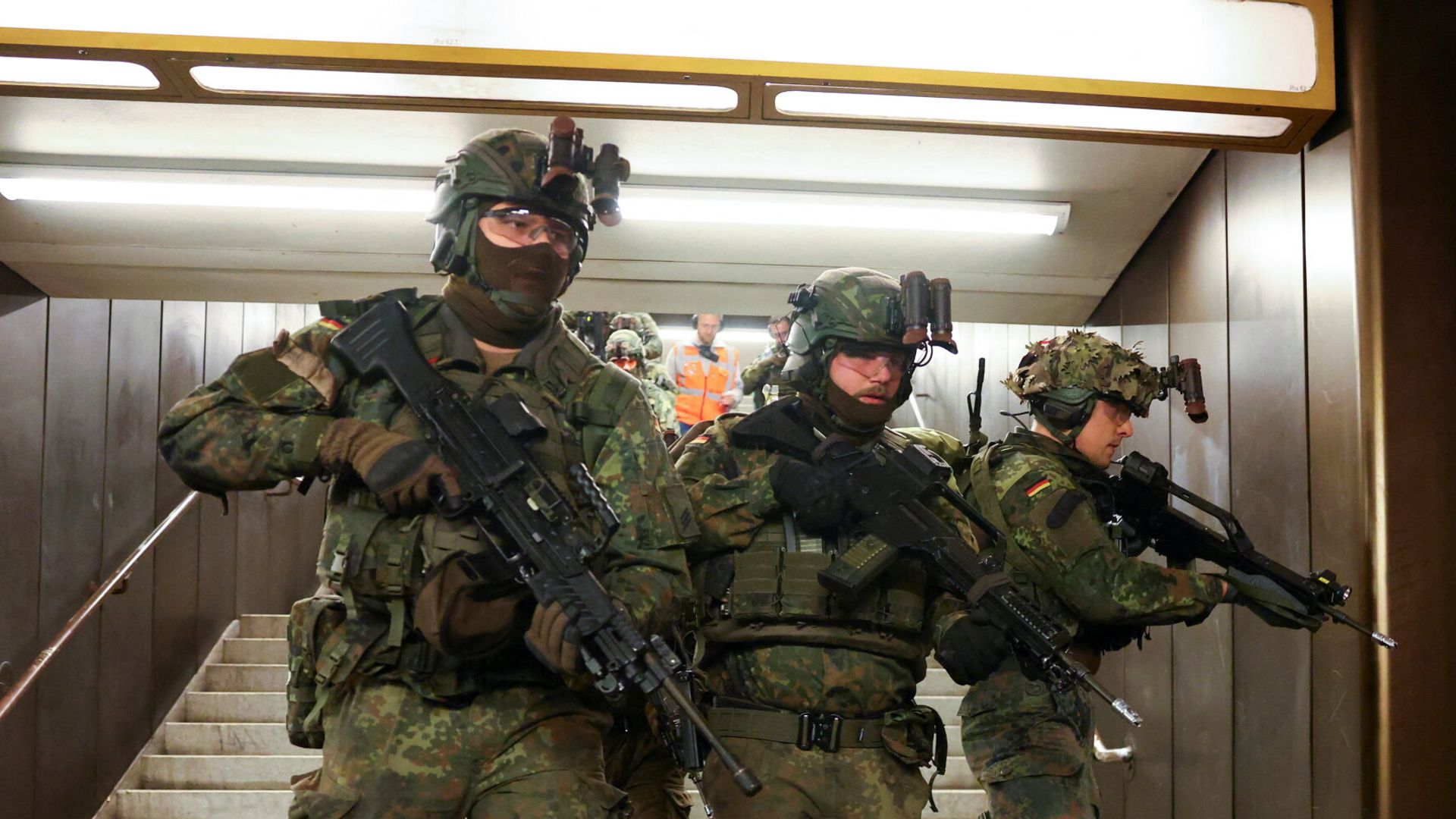
German men aged between 17 and 45 could soon face new restrictions on international travel if they plan to stay away from the country for more than three months. Recent amendments to the country's military service laws have sparked concerns about potential limitations on the freedom of movement for young men in Germany.
The changes, which are part of a broader review of Germany's military obligations in light of the ongoing conflict in Ukraine, require men in the specified age group to obtain military permission before traveling abroad for extended periods. This move is intended to ensure that the military remains adequately staffed in case of national emergencies, but critics argue that it could unnecessarily restrict personal and professional opportunities for young Germans.
The new regulations apply to men who are not already in active military service but are still subject to conscription. Under the existing system, these individuals are required to participate in annual military training and can be called up for service in times of crisis. The amendment to the law, which was passed in response to growing tensions in Europe, aims to strengthen Germany's defense capabilities and ensure readiness for potential threats.
The decision to impose travel restrictions on young men has been met with mixed reactions. Supporters of the measure argue that it is a necessary step to safeguard national security, particularly in the current geopolitical climate. They point out that Germany has a long history of military service, and the ability to mobilize a reserve force quickly is crucial in the event of an invasion or other emergency.
However, opponents of the new rules contend that they are overly restrictive and could have a significant impact on the daily lives of young Germans. Many men in the affected age group are students, professionals, or entrepreneurs who frequently travel abroad for work, education, or personal reasons. The requirement to seek military approval for extended stays could lead to complications and additional costs, particularly if the approval process is slow or bureaucratic.
Critics also raise concerns about the potential for abuse of the new system. There is a risk that the military could use its authority to deny permission for travel based on arbitrary grounds, which could infringe on the right to freedom of movement guaranteed by the European Union's laws. Additionally, there are questions about how the new regulations will be enforced and whether they will apply uniformly across all regions of Germany.
In response to these concerns, the German government has assured the public that the new rules will be implemented fairly and will only be applied in cases where the individual's absence could pose a significant risk to the military's ability to respond to crises. Officials have also emphasized that the primary goal of the amendment is to strengthen Germany's defense capabilities without unduly restricting the personal freedoms of its citizens.
Despite these assurances, the changes to the military service laws have sparked debate among politicians, legal experts, and the general public. Some argue that the restrictions are necessary in the current security environment, while others contend that they are a step too far and could lead to unintended consequences.
As the new regulations take effect, it will be important to monitor how they are applied in practice and whether they achieve their intended purpose of bolstering Germany's defense capabilities without unduly impacting the lives of young men. The ongoing discussion about the role of conscription and the balance between national security and individual freedoms is likely to continue, reflecting the complex challenges faced by Germany in the modern world.
In conclusion, the recent amendments to Germany's military service laws, which require young men to obtain permission to travel abroad for more than three months, highlight the country's evolving approach to national security in the face of global tensions. While the measures are intended to strengthen Germany's defense readiness, they also raise important questions about the rights and freedoms of its citizens. As the debate continues, it remains to be seen how these new regulations will shape the lives of young Germans and the broader landscape of European security.








