
German men could require military permission to leave country for more than three months
German men aged between 17 and 45 could have to get military approval if they want to leave the country for more than three months, according to recent changes to the law.
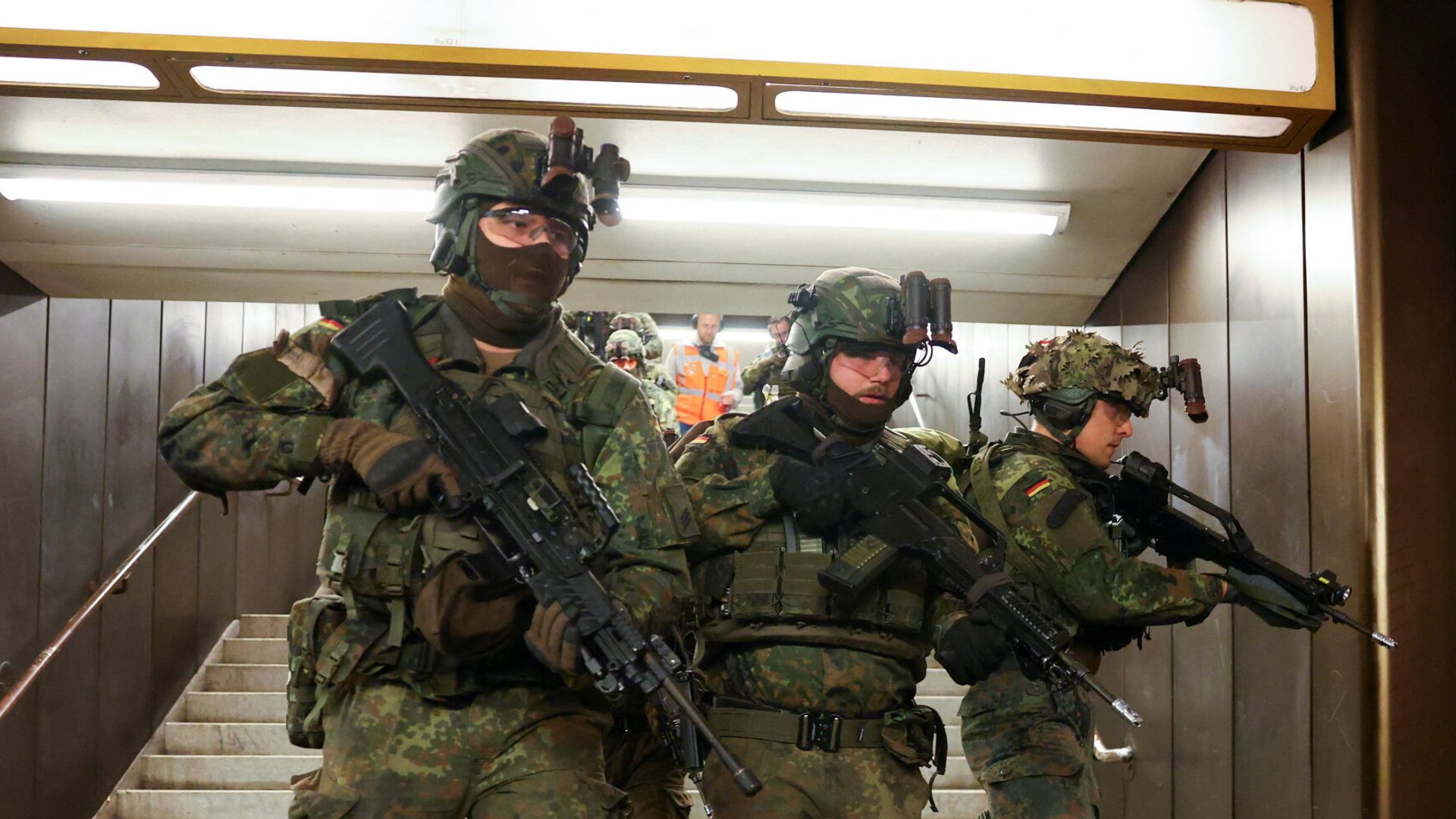
German men aged between 17 and 45 could soon need military permission to leave the country for more than three months, as the government prepares to implement new laws. The proposed changes, which have been under discussion for several months, aim to strengthen national security by ensuring that young men available for military service remain available in case of an emergency.
The new regulations, which are currently in the final stages of legislative approval, require that any man in the specified age group seeking to travel abroad for an extended period must obtain prior authorization from the Bundeswehr, Germany's armed forces. This requirement does not apply to women or men outside the age range of 17 to 45.
The decision to implement these measures has been driven by concerns over potential security threats and the need to maintain a robust defense capability. In recent years, Germany has faced increasing pressure to bolster its military readiness, particularly in light of geopolitical tensions in Europe and the world. The government argues that these new laws are necessary to ensure that the country remains prepared to respond to any potential crises or emergencies.
Critics of the proposed changes have expressed concerns about the potential impact on personal freedom and the tourism industry. Some argue that the restrictions could deter young men from traveling abroad, limiting their opportunities for education, work, and cultural exchange. Others worry that the measures could harm Germany's reputation as a welcoming destination for tourists and international students.
In response to these concerns, the government has emphasized that the new laws will not prevent men from traveling for short periods or for legitimate reasons, such as work or study. Authorizations for extended stays will be granted on a case-by-case basis, taking into account the individual's circumstances and the potential impact on national security.
The implementation of these new regulations is expected to take effect later this year, following a period of public consultation and final legislative approval. As the law is finalized, it will provide clear guidelines for both the military and the affected individuals, ensuring that the balance between national security and personal freedom is maintained.
The decision to impose such restrictions highlights the evolving priorities of the German government in the face of global challenges. While some may view the measures as a limitation on individual freedoms, proponents argue that they are a necessary step to safeguard the nation's security and stability.
As the law takes shape, it will be interesting to see how it affects both the daily lives of young men in Germany and the country's broader international standing. With the potential for both positive and negative outcomes, the new regulations underscore the ongoing debate about the role of the state in protecting national interests and individual liberties in an increasingly complex world.








