
G7 pledges to take 'all necessary measures' to safeguard energy market amid war in Iran
G7 countries said they are ready to take “any necessary measures” to preserve stability in the energy market through coordinated action. However, no specific measures have been announced at this stage.
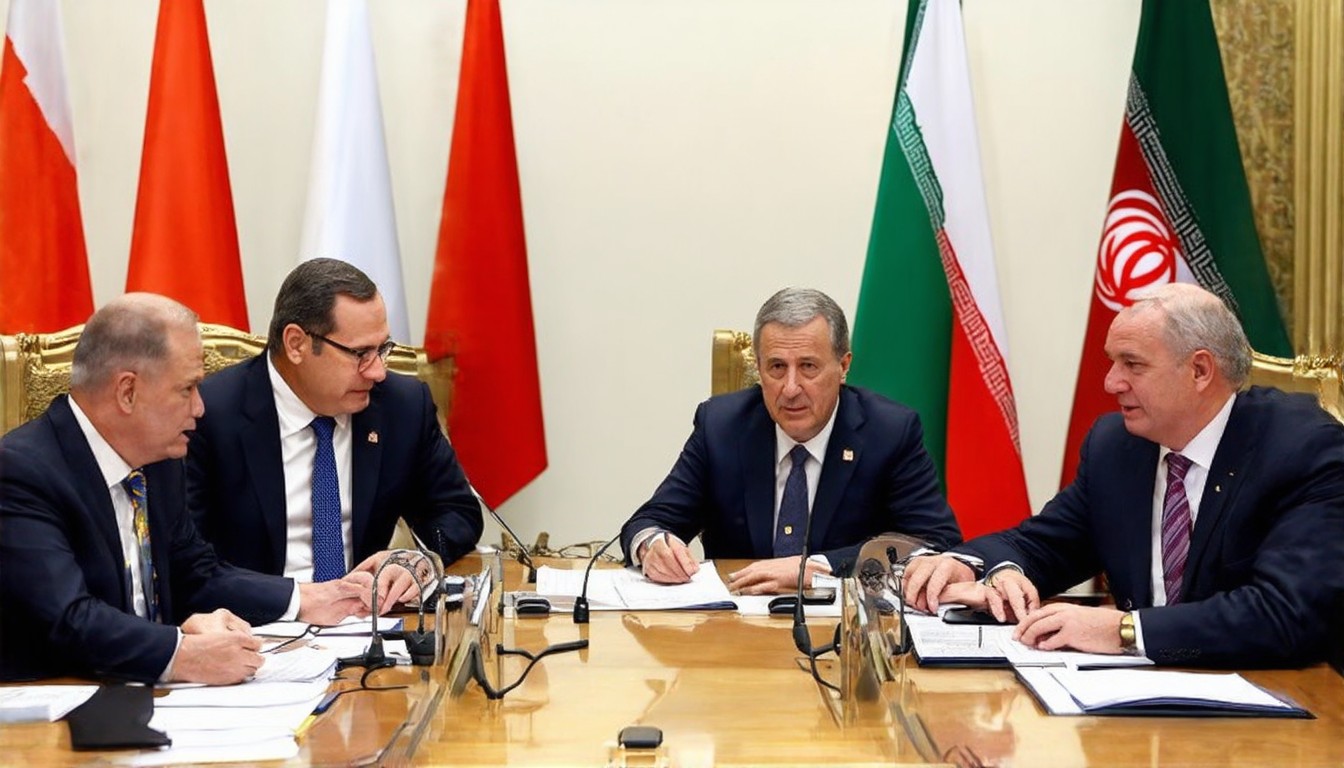
The G7 nations have united in their commitment to safeguard global energy markets amid escalating tensions in Iran, pledging to take "all necessary measures" to maintain stability. This collective stance was underscored during a recent meeting of finance ministers and central bank governors from the group of seven major economies. While the specific actions to be taken remain unspecified, the statement highlights the urgent need for coordinated efforts to address potential disruptions in the energy sector.
The decision to prioritize energy market stability follows recent concerns about the impact of the ongoing conflict in Iran on global oil supplies. Iran is a significant player in the global oil market, and any disruptions to its production could lead to price spikes and supply chain issues. The G7 nations, which include the United States, Canada, France, Germany, Italy, Japan, and the United Kingdom, are keen to avoid such scenarios, given their reliance on stable energy prices for economic growth and consumer welfare.
The G7's readiness to act collectively reflects a recognition of the interconnected nature of global energy markets. In the past, individual countries have taken unilateral measures to address energy security concerns, but such actions can sometimes lead to inefficiencies and market distortions. By working together, the G7 aims to ensure a more balanced and effective response to any potential threats to energy market stability.
While no specific measures have been announced, the G7 has previously explored various options to manage energy market risks. These include strategic oil reserves, such as the International Energy Charter's Strategic Petroleum Reserve, which can be tapped in times of crisis. Additionally, the group has discussed enhancing energy efficiency and promoting the transition to renewable energy sources as ways to reduce dependence on volatile oil markets.
The statement also comes as a response to broader geopolitical tensions in the Middle East, where the conflict in Iran has the potential to ripple through the region and beyond. The G7's commitment to energy market stability is not only about managing supply-side risks but also about addressing potential demand-side issues, such as those arising from economic slowdowns or shifts in consumer behavior.
Despite the lack of concrete details, the G7's pledge to take "all necessary measures" sends a clear message to market participants and stakeholders that the group is prepared to act decisively. This collective approach is intended to reassure investors and consumers that the world's major economies are working together to mitigate risks and ensure the continued flow of energy supplies.
However, the effectiveness of the G7's coordinated efforts will depend on the nature and severity of the disruptions in the energy market. If the conflict in Iran escalates significantly, the group may need to consider more drastic measures, such as imposing sanctions or coordinating production cuts. Alternatively, if the situation stabilizes, the G7 might focus on long-term strategies to diversify energy sources and reduce reliance on oil.
In conclusion, the G7's commitment to safeguarding the energy market amid the war in Iran reflects a shared sense of urgency and responsibility. While the specific actions remain uncertain, the group's readiness to act collectively underscores the importance of energy market stability for global economies. As tensions in Iran and other regions continue to evolve, the G7's coordinated response will be crucial in maintaining the balance and predictability that markets and economies rely on.









