G7 pledges to take 'all necessary measures' to safeguard energy market amid war in Iran
G7 countries said they are ready to take “any necessary measures” to preserve stability in the energy market through coordinated action. However, no specific measures have been announced at this stage.
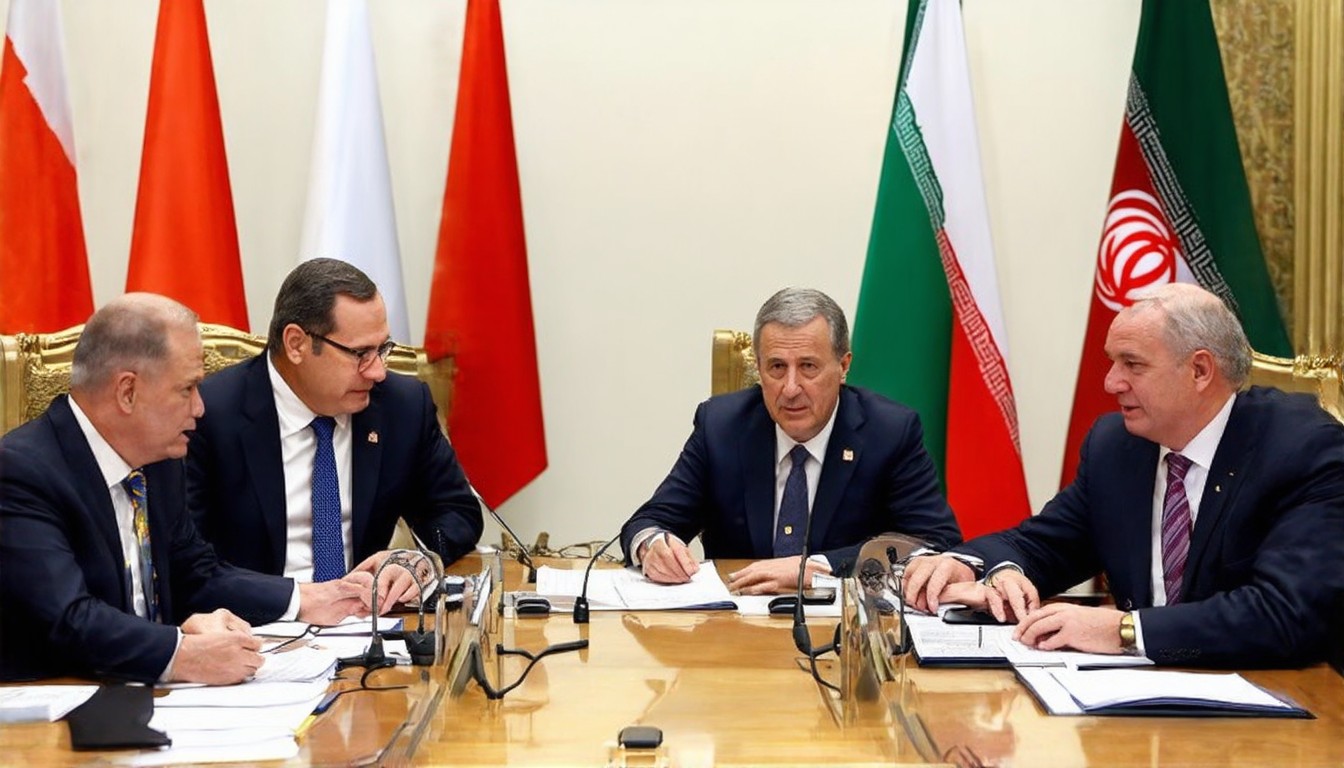
The G7 nations have united in their commitment to safeguard global energy markets amid escalating tensions in Iran, pledging to take "all necessary measures" to maintain stability. This collective stance was underscored during a recent meeting of finance ministers and central bank governors from the group of seven major economies. While the specific actions to be taken remain unspecified, the statement highlights the urgent need for coordinated efforts to address potential disruptions in the energy sector.
The decision to prioritize energy market stability follows recent concerns about the impact of the ongoing conflict in Iran on global oil supplies. Iran is a significant player in the international oil market, and any disruptions to its production could lead to price spikes and supply chain issues. The G7 nations, which include the United States, Canada, France, Germany, Italy, Japan, and the United Kingdom, are keen to avoid such scenarios, given their reliance on stable energy prices for economic growth and consumer welfare.
The G7's statement comes as a response to the complex geopolitical situation in the Middle East, where ongoing conflicts and regional tensions have the potential to destabilize energy markets. The group's commitment to act collectively reflects a recognition of the interconnected nature of global economies and the need for international cooperation to address shared challenges.
While no concrete steps have been outlined, the G7's readiness to take "all necessary measures" suggests a range of possible actions, from policy interventions to coordinated market strategies. This could involve measures such as adjusting oil reserves, implementing export controls, or even exploring alternative energy sources to mitigate potential supply shortages.
One potential area of focus is the strategic use of international oil reserves. The G7 nations, along with other major economies like China and India, hold significant amounts of oil stockpiles. By strategically releasing these reserves, they could help to counteract any sudden price increases caused by supply disruptions. However, such a move would need to be carefully managed to avoid triggering further market volatility.
Another possibility is the imposition of coordinated export restrictions on certain energy-producing countries. While this approach could be seen as a last resort, it could serve as a deterrent to any nation considering actions that could destabilize the energy market. The G7's ability to act in unison in this manner would send a strong message to potential adversaries, emphasizing the global community's resolve to protect shared interests.
In addition to these potential measures, the G7 could also explore alternative energy strategies to reduce their dependence on volatile oil markets. This might involve accelerating investments in renewable energy sources, such as solar and wind power, or promoting energy efficiency to lower overall demand. While such initiatives may take time to bear fruit, they represent a long-term solution to the challenges posed by geopolitical tensions in energy-rich regions.
The G7's commitment to safeguarding the energy market also underscores the importance of diplomatic engagement in resolving regional conflicts. By working together to promote peace and stability in the Middle East, the group can help to prevent further disruptions to global energy supplies. This could involve supporting diplomatic efforts to de-escalate tensions, or even engaging in direct dialogue with key stakeholders to address their concerns and find common ground.
Despite the lack of specific measures, the G7's unified stance serves as a clear signal to the international community that they are prepared to act decisively to protect the energy market. This collective commitment is a testament to the enduring importance of international cooperation in addressing global challenges, and it highlights the need for continued vigilance in the face of evolving geopolitical risks.
In conclusion, the G7 nations' pledge to take "all necessary measures" to safeguard the energy market amid the war in Iran reflects a shared sense of urgency and responsibility. While the specific actions to be taken remain unclear, the statement underscores the need for coordinated efforts to address potential disruptions and ensure the stability of global energy markets. As tensions in the region continue to escalate, the G7's commitment to act in unison serves as a crucial safeguard against the risks posed by geopolitical instability.