
Future strategies for phosphorus sustainability amid worsening global cycle imbalances
Proceedings of the National Academy of Sciences, Volume 123, Issue 13, March 2026. SignificancePhosphorus (P) is intricately and inseparably associated with both food security and environmental sustainability. The comprehensive processes of the global anthropogenic P cycle, along with scientific objectives and implementation strategies ...
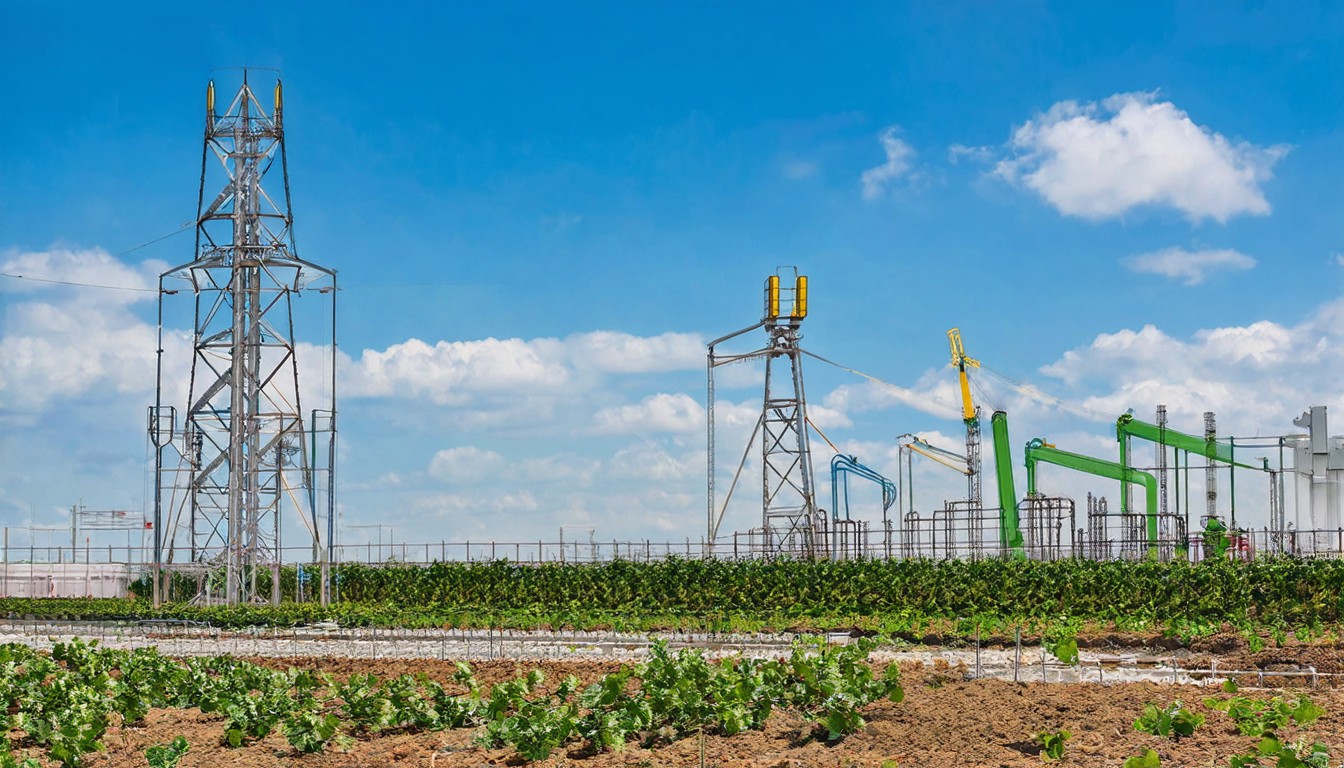
The global phosphorus cycle, a critical component of both food production and environmental health, is facing unprecedented challenges due to rapid human development and resource extraction. In a recent study published in the Proceedings of the National Academy of Sciences, researchers highlight the urgent need for sustainable phosphorus management strategies to address imbalances in the global phosphorus cycle.
Phosphorus is a vital nutrient for plants, animals, and humans, playing a central role in energy transfer and cellular processes. It is primarily sourced from rocks and soil, with about 80% of global phosphorus reserves found in China, Morocco, and Algeria. The demand for phosphorus has surged in recent decades, driven by the growing global population, agricultural expansion, and the increasing use of phosphorus-based fertilizers to meet food security goals. However, this heightened demand has led to significant environmental and economic challenges, including the depletion of finite phosphorus reserves, water pollution from fertilizer runoff, and geopolitical tensions over resource control.
The study underscores the intricate interplay between phosphorus availability, agricultural productivity, and environmental sustainability. As the global population continues to grow, the pressure on phosphorus resources will intensify, necessitating innovative solutions to ensure long-term food security without compromising ecological balance. The researchers emphasize the importance of understanding the complex anthropogenic phosphorus cycle, which encompasses mining, processing, application in agriculture, and the subsequent release of phosphorus into ecosystems through runoff and leaching.
To address these challenges, the study proposes several key strategies for sustainable phosphorus management. One critical approach is the development of phosphorus-efficient agricultural practices, such as precision farming techniques and the use of slow-release fertilizers. These methods can help reduce the amount of phosphorus applied to crops while maintaining or even improving yields, thereby minimizing the environmental impact of fertilizer use. Additionally, the promotion of crop diversification and the integration of phosphorus-fixing legumes in agricultural systems can enhance soil phosphorus availability and reduce the need for synthetic fertilizers.
Another important strategy is the recycling and recovery of phosphorus from waste streams, such as sewage sludge, food waste, and agricultural residues. These sources represent a significant untapped reservoir of phosphorus that can be harnessed through advanced treatment technologies. The study also highlights the potential for phosphorus recovery from ocean sediments, which contain vast amounts of this nutrient, albeit in a form that is currently difficult to extract.
Furthermore, the researchers advocate for the establishment of global phosphorus governance frameworks to ensure equitable access to resources and promote international cooperation. This includes the development of transparent trade agreements, the sharing of best practices in phosphorus management, and the establishment of international standards for phosphorus recovery and recycling.
In conclusion, the future of phosphorus sustainability hinges on a multifaceted approach that integrates technological innovation, agricultural best practices, and global cooperation. By adopting these strategies, humanity can mitigate the environmental and economic risks associated with the global phosphorus cycle, ensuring a sustainable path forward for both food security and environmental health. The study serves as a call to action for policymakers, scientists, and stakeholders worldwide to prioritize phosphorus sustainability in their efforts to build a resilient and sustainable future.








