From the classroom to the committee room: Dave Robertson MP on politics and physics
British politician talks about the importance of physicists and physics education The post From the classroom to the committee room: Dave Robertson MP on politics and physics appeared first on Physics World .
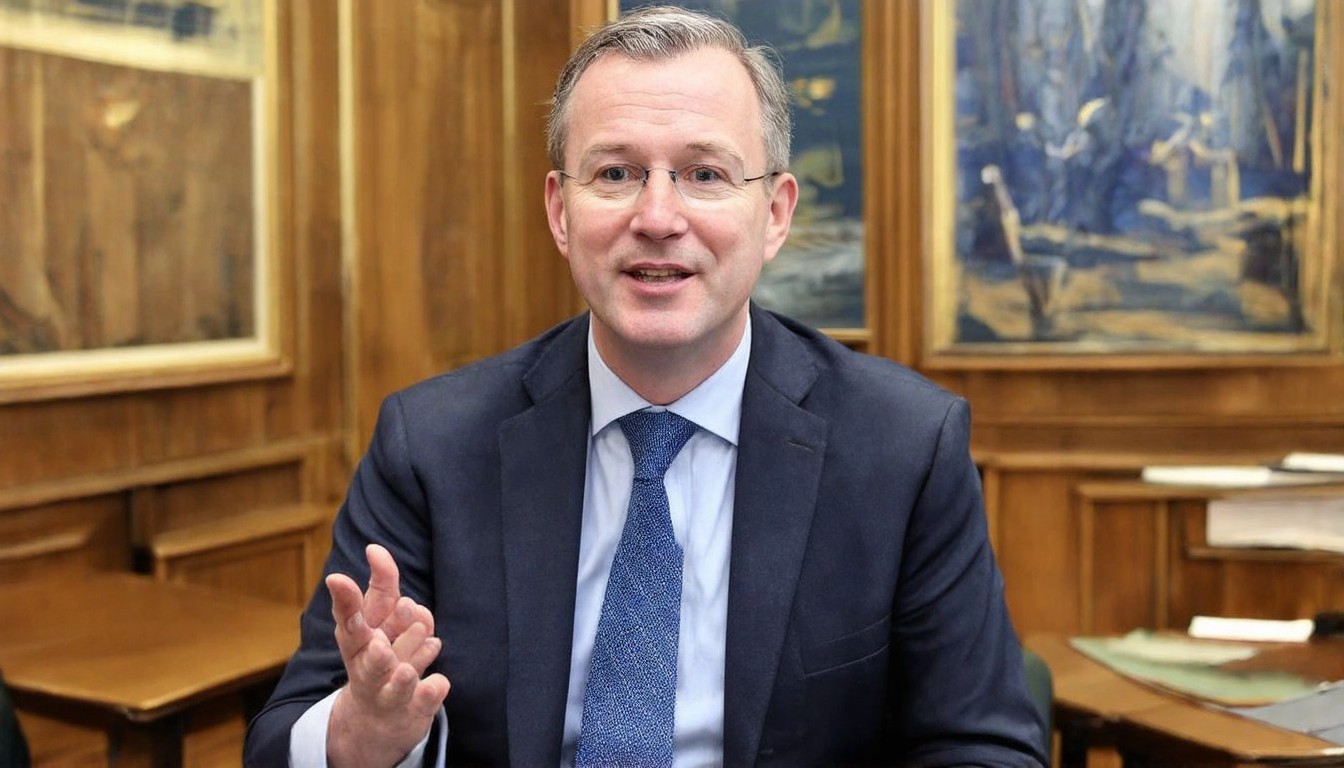
In a recent episode of the Physics World Weekly podcast, Dave Robertson MP, the elected member of parliament for Lichfield, shared his unique journey from the classroom to the committee room. Robertson, who studied physics at the University of Liverpool and spent eight years teaching the subject, discussed his transition into politics and his passion for physics education.
Robertson's career began with a strong foundation in physics, which he pursued at the University of Liverpool. After completing his studies, he dedicated himself to teaching, using his knowledge to inspire the next generation of scientists. His commitment to education led him to work for a teachers' union, where he became increasingly involved in advocating for better conditions and support for educators. This experience sparked his interest in politics, ultimately leading him to become a candidate for the Labour Party.
In the podcast, Robertson reflected on his transition from the classroom to the parliamentary chambers, describing the experience as "truly bonkers and truly bizarre." Despite the challenges, he remains committed to promoting the importance of physics and physicists in addressing global issues. As a member of parliament, Robertson has already sponsored three physics-related events at the Palace of Westminster, demonstrating his ongoing dedication to the subject.
In addition to his work in physics, Robertson is a member of various cross-party parliamentary groups focused on nuclear energy and space. These groups allow him to collaborate with colleagues from different political backgrounds, fostering a shared understanding of the complex issues at hand. By engaging in these discussions, Robertson aims to ensure that policies are informed by sound scientific principles and expert insights.
One of Robertson's primary concerns remains the nationwide shortage of physics teachers in the UK. He emphasizes the critical need for more educators to inspire students and ensure that the next generation of scientists is well-prepared for the challenges of the future. By addressing this issue, the UK can ensure that its educational system continues to produce skilled individuals capable of tackling complex problems.
Robertson also urges physicists to take an active role in addressing global challenges, particularly those related to climate change. He believes that scientists have a responsibility to communicate their findings to the public and policymakers, helping to shape informed decisions that can make a meaningful difference. By doing so, physicists can contribute to solving some of the most pressing issues facing our world.
Throughout his career, Dave Robertson has remained true to his roots in physics and education. His journey from the classroom to the committee room serves as a testament to the power of combining passion for science with a commitment to public service. As he continues to advocate for physics education and policy, Robertson's story highlights the importance of bridging the gap between academia and politics to drive meaningful change.