
From number-crunching to decision-making: Teo Ser Luck on how AI is reshaping accounting
The Institute of Singapore Chartered Accountants president said AI is good for accounting, but grads must up their game.
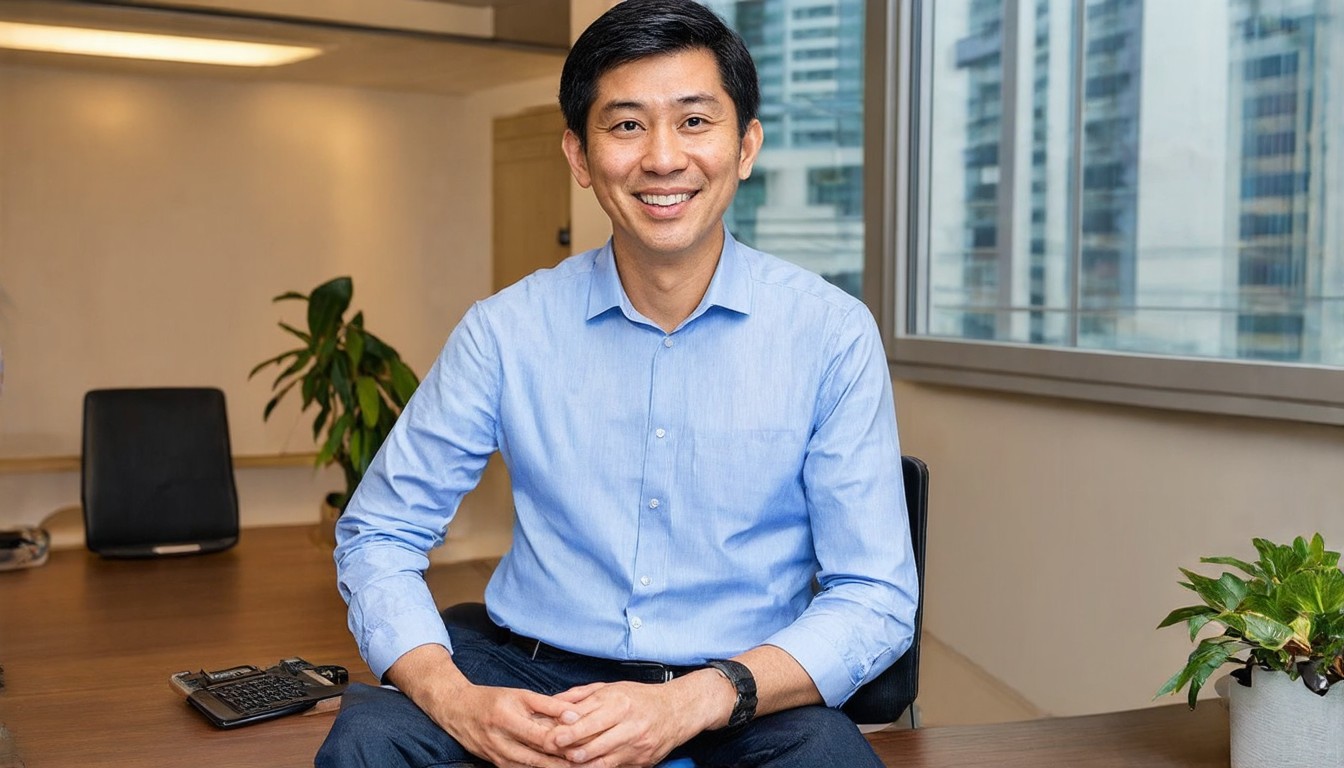
In a rapidly evolving professional landscape, the role of technology in accounting is becoming increasingly significant. Teo Ser Luck, president of the Institute of Singapore Chartered Accountants (ISCA), recently highlighted the transformative impact of artificial intelligence (AI) on the accounting industry. While acknowledging the benefits of AI, he emphasized the need for accounting graduates to adapt and enhance their skills to stay relevant in the changing job market.
Teo Ser Luck's comments underscore the growing reliance on AI in accounting, particularly in areas such as data analysis, financial modeling, and compliance. AI systems are adept at processing vast amounts of data quickly and accurately, which can significantly improve efficiency and reduce errors. This capability is particularly valuable in industries like finance, where precision and timely decision-making are critical.
However, Teo Ser Luck also cautioned that while AI excels at number-crunching, it may not be as effective in decision-making processes that require human judgment. He argued that accounting graduates must develop a strong foundation in analytical thinking, critical reasoning, and communication skills to complement the capabilities of AI. This emphasis on soft skills is crucial, as it ensures that professionals can interpret complex data, identify patterns, and make informed decisions that go beyond mere computational analysis.
In addition to these cognitive abilities, Teo Ser Luck stressed the importance of adaptability and continuous learning. The accounting industry is constantly evolving, with new technologies and regulatory changes shaping the profession. Accountants must be proactive in staying updated with these developments and be open to acquiring new skills as needed. This includes not only technical proficiency in AI tools but also a deep understanding of the broader business context in which accounting operates.
Moreover, Teo Ser Luck highlighted the role of educational institutions in preparing graduates for the future. He urged universities and professional bodies to collaborate in designing curricula that integrate AI and other emerging technologies. By doing so, they can equip students with the necessary skills to thrive in an AI-driven accounting environment while fostering a culture of lifelong learning.
The integration of AI in accounting also raises questions about the future of the profession. While AI can automate routine tasks, it may also lead to job displacement in certain areas. Teo Ser Luck acknowledged these concerns but remained optimistic about the potential for AI to augment rather than replace human accountants. He suggested that the focus should be on redefining the role of accountants to focus on higher-value activities that require human expertise, such as strategic planning, risk management, and stakeholder communication.
In conclusion, Teo Ser Luck's remarks provide a balanced perspective on the role of AI in accounting. While acknowledging the undeniable advantages of AI in data processing and analysis, he emphasized the critical need for accounting graduates to cultivate a range of skills that go beyond technical proficiency. By prioritizing adaptability, continuous learning, and a strong foundation in analytical and communication skills, accountants can effectively leverage AI to enhance their professional capabilities and remain at the forefront of a rapidly changing industry. As the accounting profession evolves, it is essential for both practitioners and educators to work together to ensure that the next generation of accountants is well-prepared to navigate the complexities of an AI-driven future.









