
From number-crunching to decision-making: Teo Ser Luck on how AI is reshaping accounting
The Institute of Singapore Chartered Accountants president said AI is good for accounting, but grads must up their game.
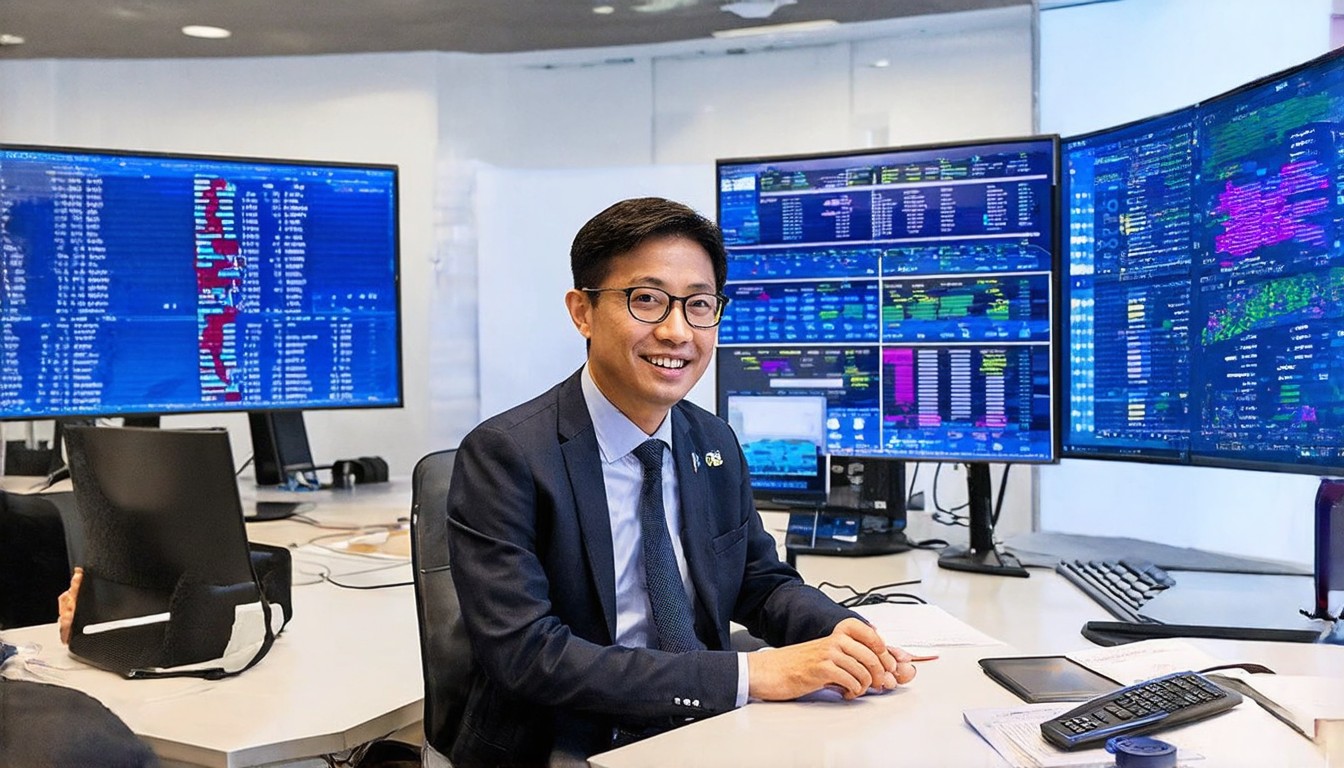
In a rapidly evolving professional landscape, the role of artificial intelligence (AI) in accounting is becoming increasingly significant. Teo Ser Luck, the president of the Institute of Singapore Chartered Accountants (SingInst), recently highlighted the transformative impact of AI on the accounting industry and emphasized the need for accountants to adapt their skills accordingly.
Teo Ser Luck's comments underscore the growing reliance on AI in accounting, particularly in areas such as data analysis, financial modeling, and compliance. AI systems are adept at processing vast amounts of data at high speeds, identifying patterns, and generating insights that would be challenging for humans to achieve in a timely manner. This capability not only enhances the efficiency of accounting processes but also allows professionals to focus on higher-value tasks that require critical thinking and strategic decision-making.
However, Teo Ser Luck also cautioned that the integration of AI in accounting does not mean that human expertise is becoming obsolete. Instead, it presents a unique opportunity for accountants to evolve their skill sets and embrace new technologies. As AI excels in number-crunching and data analysis, the demand for accountants who can interpret complex insights, make informed decisions, and communicate effectively with stakeholders remains high.
To prepare future generations of accountants for this evolving landscape, Teo Ser Luck emphasized the importance of fostering a culture of continuous learning and adaptability. He suggested that accounting graduates should prioritize developing skills such as data analytics, digital literacy, and critical thinking. These competencies will enable them to work effectively alongside AI systems, leveraging the strengths of both technology and human expertise.
Moreover, Teo Ser Luck acknowledged that the accounting profession must also adapt its educational frameworks to incorporate AI-related subjects. By integrating AI into curricula, institutions can better prepare students for the challenges and opportunities presented by technological advancements. This includes not only teaching the technical aspects of AI but also emphasizing the interdisciplinary skills required to navigate the intersection of technology and accounting.
In addition to skill development, Teo Ser Luck also highlighted the need for accountants to stay updated with regulatory changes and ethical considerations related to AI implementation. As AI becomes more prevalent in accounting, it is crucial for professionals to understand the legal and ethical implications of using such systems. This includes ensuring data privacy, maintaining transparency, and safeguarding against potential risks such as bias or errors in AI algorithms.
Furthermore, Teo Ser Luck encouraged accountants to embrace a proactive approach in adopting AI technologies. By actively engaging with AI solutions, professionals can identify areas where technology can enhance their work and drive innovation within their organizations. This proactive stance not only positions accountants as thought leaders in their field but also helps them stay competitive in an increasingly automated industry.
In conclusion, the integration of AI in accounting is reshaping the profession by shifting the focus from routine tasks to strategic decision-making. While AI systems excel in data analysis and processing, the human touch remains essential for interpreting insights, communicating complex information, and making informed judgments. By prioritizing skill development, adapting educational frameworks, and staying informed about regulatory and ethical considerations, accountants can harness the potential of AI while reinforcing their unique value proposition in an ever-changing professional environment.









