
From Cannes to Los Angeles: Visiting the People Who Build Satellites
Visiting satellite production lines in Los Angeles, and why the questions have changed since 2022.
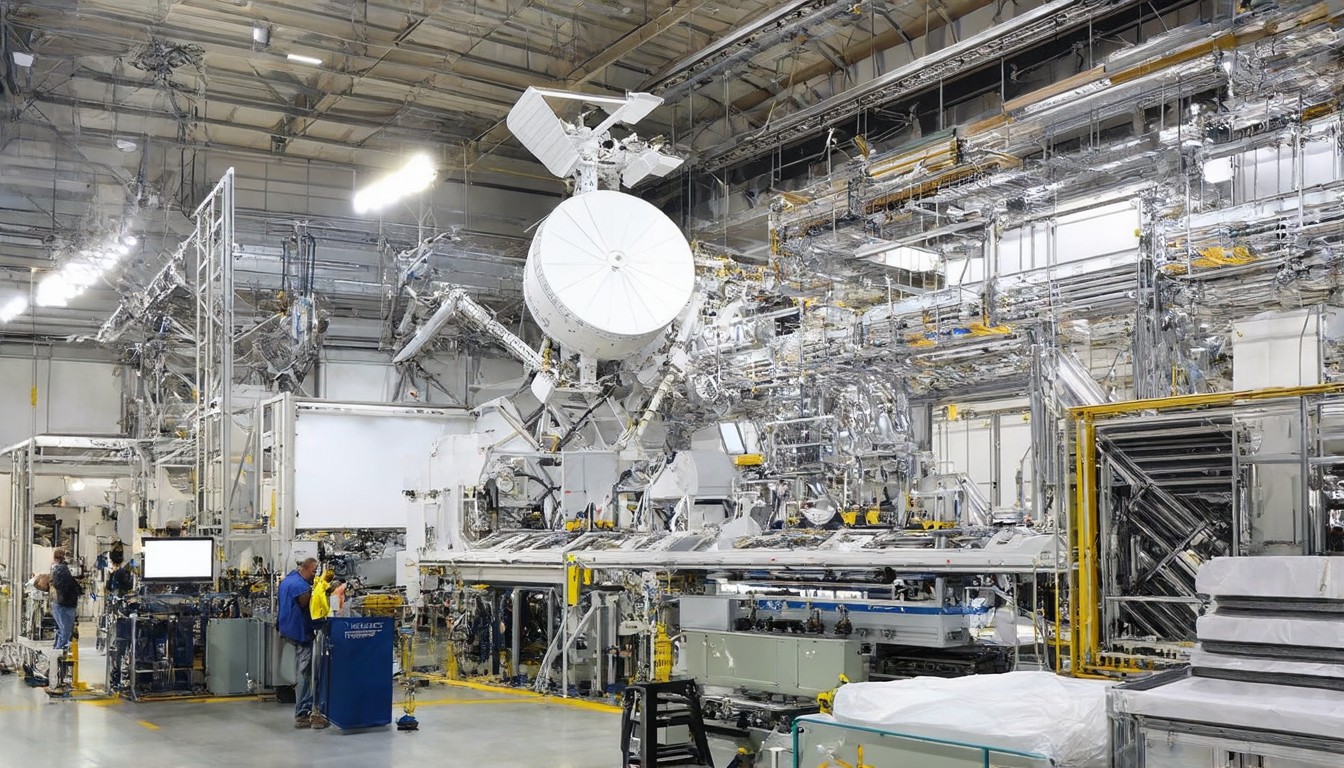
In the heart of Los Angeles, nestled between the iconic Hollywood Hills and the bustling city streets, lies a hidden world where cutting-edge technology meets human ingenuity. Here, in a series of sleek, modern buildings, satellite production lines hum with activity, crafting the tools that connect the world. From the vibrant film industry to the quiet whispers of space exploration, Los Angeles has become a hub for satellite manufacturing, a sector that has seen remarkable growth in recent years.
The journey to this technological frontier begins at the satellite production lines, where engineers and technicians work tirelessly to assemble and test these intricate machines. These lines, once a rare sight, are now a common feature in the city's industrial landscape. The pace of work is relentless, driven by the ever-increasing demand for satellite technology. From communication satellites to Earth observation systems, these devices play a crucial role in our daily lives, from enabling high-speed internet to monitoring global climate patterns.
As we step inside the production facility, the hum of machinery and the soft glow of computer screens create an atmosphere of focused energy. Technicians, clad in lab coats and safety goggles, move with precision, their hands deftly handling delicate components. The process is meticulous, each step a critical link in the chain that will eventually launch a satellite into orbit. The air is filled with a mix of electronic chirps and hushed conversations, a testament to the collaborative spirit that drives this industry.
The satellite production lines in Los Angeles are not just factories; they are also laboratories of innovation. Here, engineers tackle some of the most challenging problems in space technology. The questions posed by this industry have evolved significantly since 2022, reflecting the rapid pace of technological advancement and the growing importance of space exploration.
One of the most significant changes in the industry's focus since 2022 has been the shift towards sustainability. As the world grapples with climate change, satellites have become essential tools for monitoring and mitigating its effects. The production lines are now investing heavily in eco-friendly materials and energy-efficient processes to reduce their environmental footprint. This shift is driven not only by regulatory pressures but also by a growing consumer awareness that values sustainable practices.
Another major change is the increased emphasis on affordability and accessibility. The cost of satellite technology has plummeted in recent years, making it more accessible to a wider range of organizations and individuals. This democratization of space has led to a surge in the number of startups and small businesses entering the market. These new entrants are pushing the boundaries of what is possible, from nano-satellites to advanced propulsion systems.
The rise of private space companies has also reshaped the questions being asked in the satellite production industry. Companies like SpaceX and Blue Origin are driving innovation at an unprecedented pace, pushing the boundaries of what satellites can achieve. The production lines are now focused on creating satellites that can withstand the rigors of space travel, from extreme temperatures to radiation exposure.
Moreover, the growing interest in space tourism has introduced new challenges and opportunities. As companies like Virgin Galactic and Blue Origin plan to offer space travel to civilians, the production lines are developing satellites that can support these ventures. This includes communication systems for in-flight connectivity and advanced imaging technologies for capturing breathtaking views of Earth from space.
The satellite production lines in Los Angeles are not just about building hardware; they are also about fostering a culture of innovation and collaboration. The industry is investing heavily in education and training programs to ensure a steady supply of skilled workers. This investment in human capital is crucial, as the demand for satellite technology continues to soar.
In conclusion, the satellite production lines in Los Angeles are at the forefront of a technological revolution. The questions posed by this industry have changed significantly since 2022, reflecting the evolving needs of society and the relentless pace of innovation. From sustainability to affordability, and from space exploration to tourism, the future of satellite technology is bright and full of promise. As we visit these production lines, we are witnessing not just the creation of machines, but also the shaping of a new era in human endeavor.








