From bunkers to bright spaces: the future of smart shielded radiosurgery treatment rooms
Discover how smart shielding enables bright, modern radiosurgery rooms beyond traditional bunker designs The post From bunkers to bright spaces: the future of smart shielded radiosurgery treatment rooms appeared first on Physics World .
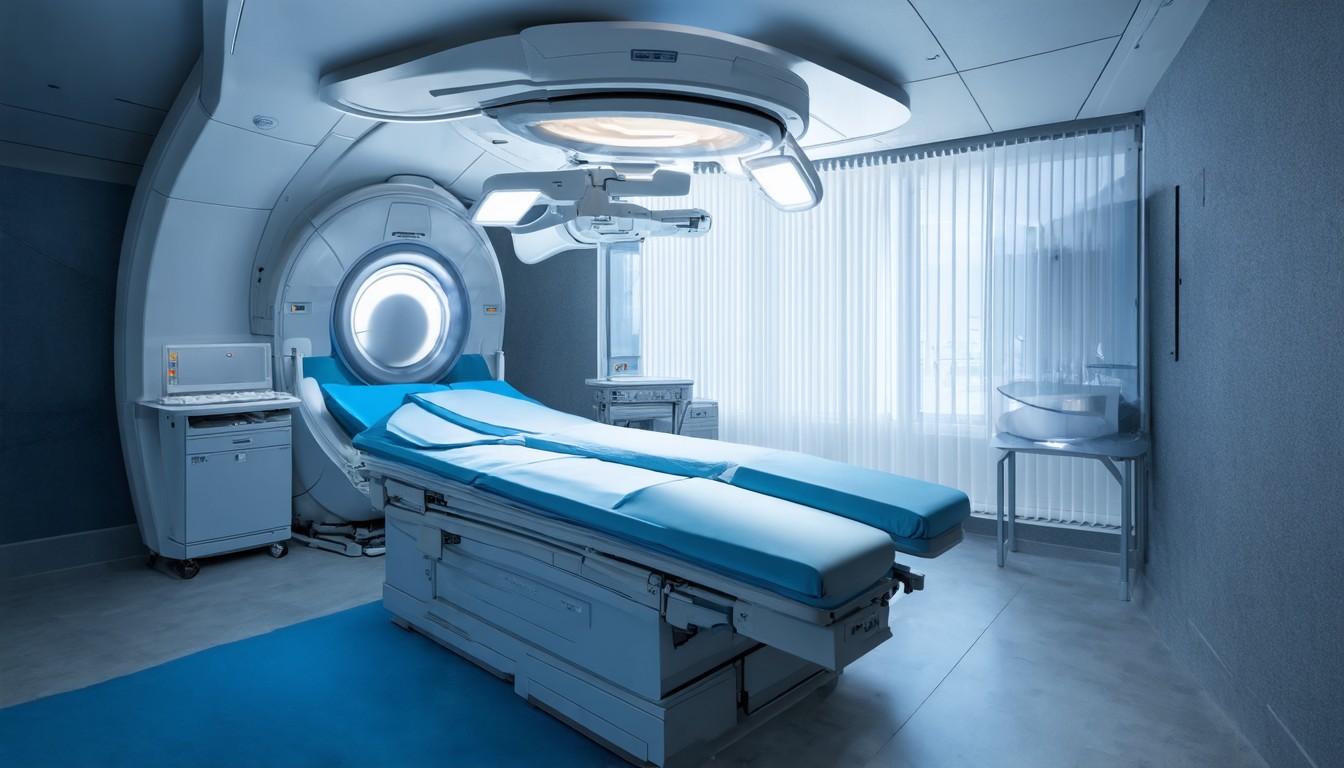
In recent years, the design of radiosurgery treatment rooms has undergone a significant transformation, moving away from the traditional bunker-like structures to more open, patient-centric environments. This shift is driven by advancements in smart shielding technology, which allows clinicians to safely incorporate features such as windows and natural light into treatment rooms. This change not only enhances the functionality and aesthetics of these spaces but also improves the overall patient experience.
Traditionally, radiosurgery facilities were built with thick concrete walls to shield patients and staff from radiation. These bunker-like designs were necessary due to the high levels of radiation used in procedures like those performed by the Leksell Gamma Knife. However, with the advent of innovative shielding solutions, it is now possible to create treatment rooms that are both safe and aesthetically pleasing.
The key to this transformation lies in the use of smart shielding, which optimizes the protection provided by walls, floors, and ceilings. By analyzing dose-rate maps and considering room dimensions, designers can determine the most effective way to distribute shielding materials. This allows for the creation of treatment rooms with larger windows, skylights, and natural lighting, which were previously impossible due to radiation concerns.
Dr. Riccardo Bevilacqua, a nuclear physicist and expert in radiation safety, has been at the forefront of this shift. With a PhD in neutron data for Generation IV nuclear reactors from Uppsala University, Dr. Bevilacqua has worked as a scientist for the European Commission and various international research facilities. His career has seen him transition from research to radiation safety and back to medical physics, a field that first captured his interest as a student in Italy. Based in Stockholm, Sweden, Dr. Bevilacqua leads global radiation-safety initiatives at Elekta, where he plays a crucial role in advancing smart shielding technologies for radiosurgery.
In a recent webinar, Dr. Bevilacqua explored how smart shielding is transforming the design of Leksell Gamma Knife radiosurgery environments. He emphasized the importance of considering key questions that clinicians, planners, and hospital administrators should ask when evaluating new builds or upgrading existing treatment rooms. By understanding the capabilities of modern shielding innovations, stakeholders can make informed decisions about design possibilities and safely incorporate elements that improve both functionality and patient experience.
One of the main benefits of smart shielding is its ability to debunk outdated assumptions about radiosurgery room design. Traditional bunker designs were often seen as a necessary evil, but with advancements in technology, this is no longer the case. Modern shielding approaches offer practical guidance on evaluating sites and educating stakeholders on what lies beyond bunkers.
In addition to enhancing the physical environment, smart shielding also contributes to the psychological well-being of patients. Bright, open spaces with natural light can have a calming effect and reduce anxiety associated with medical procedures. This not only benefits the patients but also creates a more pleasant work environment for healthcare professionals.
Furthermore, the shift towards more open and inviting treatment rooms can have a positive impact on hospital operations. By optimizing the use of space and reducing the need for thick, expensive shielding materials, facilities can save costs and allocate resources more efficiently. This can lead to increased accessibility to radiosurgery treatments, ultimately improving patient outcomes.
In conclusion, the future of radiosurgery treatment rooms is no longer confined to the sterile, bunker-like environments of the past. Smart shielding technology is paving the way for bright, modern, and patient-centric spaces that prioritize both safety and comfort. As Dr. Riccardo Bevilacqua and other experts continue to advance this field, the possibilities for transforming radiosurgery environments are virtually limitless. The journey from bunkers to bright spaces is not only a technological advancement but also a step towards creating more welcoming and effective healthcare settings for patients and professionals alike.