
Freshness, Flavor And Trust: The Market Signals Guiding The Next Wave Of Seed Development
Collaboration across the supply chain, from breeding programs to grocery shelves, is becoming the defining force behind future vegetable markets. The vegetable seed industry is entering a quieter, but more […] The post Freshness, Flavor And Trust: The Market Signals Guiding The Next Wave Of Seed Development appeared first on Seed World .
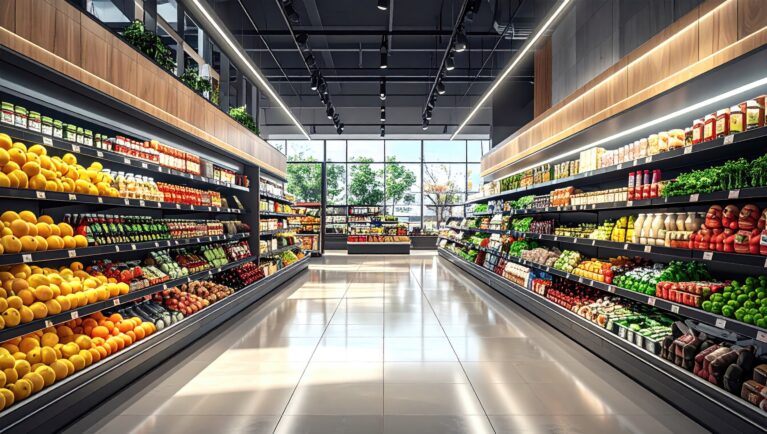
The vegetable seed industry is undergoing a significant transformation, driven by collaboration across the entire supply chain. From breeding programs to grocery shelves, this interconnected approach is shaping the future of vegetable markets. This shift is not fueled by a single breakthrough or disruptive technology, but rather by fundamental market signals that are becoming increasingly louder and harder to ignore. The themes of freshness, flavor, and trust are emerging as critical factors influencing the development of new seed varieties.
During a discussion at the American Seed Trade Association (ASTA) Vegetable and Flower Conference, titled “Shaping Tomorrow’s Markets Together,” industry experts highlighted these themes. The conversation, however, reflected a broader trend: retailers and processors are increasingly involved in influencing what gets bred and where. This means that the market is no longer solely downstream; it is now upstream, shaping breeding decisions long before a product reaches a shelf.
Trust has become a breeding priority for seed companies. While yield, disease resistance, and agronomic performance remain essential, retail voices are redefining the concept of quality. Meghan Diaz, Sprouts Farmers Markets senior director of sourcing and innovation, emphasized that the supply chain must extend beyond the retail store. “If we’re not able to get the customer product and let it sit in the customer’s fridge for seven to 10 days without rotting or sticking, then we’re not doing our job,” she stated. This focus on durability, shelf life, and consistency is no longer just a postharvest issue—it is now a genetic question.
A variety that performs well in the field but fails in the kitchen is not meeting consumer expectations. Seed companies must address these genetic challenges to ensure that their products meet the evolving standards set by retailers and consumers. This shift in focus requires a deeper collaboration between seed developers, retailers, and processors to create varieties that are not only high-performing but also align with consumer preferences for freshness and flavor.
Freshness and flavor are also driving changes in seed development. Consumers are increasingly demanding produce that tastes as good as it looks and lasts as long as possible. Seed companies are responding by breeding varieties that offer enhanced flavor profiles and longer shelf life. This requires a nuanced understanding of both genetic and environmental factors that influence taste and durability.
Trust is another critical factor shaping the next wave of seed development. Consumers are becoming more environmentally conscious and are looking for products that are sustainably produced. Seed companies are responding by developing varieties that require fewer resources, such as water and pesticides, to grow. This not only benefits the environment but also aligns with consumer values, fostering trust in the product and the brand.
In conclusion, the vegetable seed industry is undergoing a quiet but consequential shift, driven by collaboration across the supply chain. The market signals of freshness, flavor, and trust are becoming the guiding forces behind the development of new seed varieties. Seed companies must adapt to these changing consumer expectations and retail demands to ensure their products remain competitive and relevant in the evolving market landscape. This transformation is not only about genetic traits but also about building trust and fostering collaboration across the entire supply chain.









